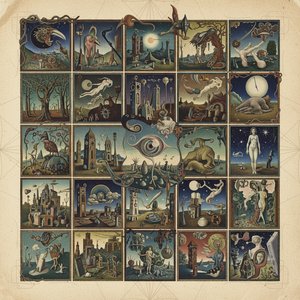
Oil On Canvas.

§ 1Catalogue data


Această lucrare este protejată de drepturile de autor
Lucrarea de artă afișată pe această pagină este protejată de legile privind drepturile de autor, ceea ce înseamnă că nu putem crea sau vinde în mod legal o reproducere identică. Această protecție este garantată prin acorduri internaționale, precum Convenția de la Berna și de legile naționale, inclusiv cele prevăzute de Legea dreptului de autor din S.U.A. – Titlul 17. Toate drepturile rezervate. Orice reproducere neautorizată este interzisă.
Ca alternativă respectuoasă și legală, oferim tablouri pictate manual, personalizate, inspirate de original. Artistii noștri experimentați și profesioniști studiază cu atenție stilul, starea de spirit și esența artistică a originalului pentru a crea o piesă nouă și unică, care evocă aceeași emoție – rămânând, în același timp, o creație originală în sine.
Această metodă respectă pe deplin reglementările privind drepturile de autor, deoarece nu implică copierea sau duplicarea operei protejate. În schimb, este o reinterpretare creativă – o pictură nouă, influențată de original, dar care nu este identică cu acesta.
 Citește mai mult
§ 2Abstract
Descriere obiect de colecție
A striking surrealist statue by Max Ernst depicts a demonic figure against a brick wall, showcasing his unique artistic vision and exploration of the subconscious. Discover this captivating artwork and bring its powerful imagery into your space.
Biografie artist
Descoperă universul suprarealist al lui Max Ernst (1891-1976)! Pionier Dada și maestru tehnici inovatoare precum frottajele și colajele, explorând psihicul prin opere simbolice și misterioase. #MaxErnst #Surrealism #Dada
§ 3Commentary
Unveiling the Shadow: An Exploration of Max Ernst’s “Untitled (6492)”
Max Ernst's "Untitled (6492)" presents a compelling and unsettling vision, a testament to the artist’s profound engagement with the subconscious and his exploration of darker human impulses. The image depicts a powerfully rendered statue – a demonic figure crowned with horns – set against the stark backdrop of a brick wall. This isn’t merely a depiction of a monster; it's an embodiment of anxieties, a visual manifestation of the psychological turmoil that characterized Ernst’s artistic output during his most intensely surreal period.
- Subject Matter: The central figure immediately evokes archetypal imagery of evil and temptation. Its posture, though seemingly static, suggests a latent energy, a coiled threat ready to be unleashed.
- Composition: The statue’s placement within the frame is deliberate, dominating the visual field and drawing the viewer into its unsettling presence. The surrounding smaller figures contribute to a sense of unease, hinting at a larger, unseen narrative.
The Surrealist Roots: Ernst's Intellectual Journey
Understanding "Untitled (6492)" requires acknowledging Max Ernst’s unique artistic trajectory. Born in 1891, Ernst rejected the conventional paths to artistic recognition, instead forging his own path through rigorous intellectual pursuits. His studies in philosophy, art history, psychology, and psychiatry – at the University of Bonn – were not simply academic exercises; they were a crucial component of his creative process. He was deeply influenced by thinkers like Freud and Jung, exploring the realms of dreams, symbolism, and the irrational as sources of artistic inspiration. This intellectual grounding fueled his experimentation with techniques such as frottage (rubbing) and collage, methods designed to tap into the unconscious mind and bypass rational thought.
- Technique: Ernst’s use of texture and layering is evident in this piece, contributing to its unsettling quality. The rough surface of the brick wall contrasts sharply with the smooth rendering of the statue, creating a visual tension that mirrors the thematic concerns of the work.
- Historical Context: “Untitled (6492)” was created during the height of the Surrealist movement in the 1930s, a period marked by a rejection of traditional artistic values and an embrace of the irrational. Ernst’s work aligns perfectly with this movement's core tenets – exploring the subconscious, challenging conventional perceptions, and creating art that evokes emotional responses rather than simply representing reality.
Symbolism and Emotional Resonance
The symbolism within "Untitled (6492)" is layered and open to interpretation. The demonic figure can be seen as a representation of repressed desires, societal anxieties, or the darker aspects of human nature. The surrounding figures – potentially fragments of other narratives – add to this ambiguity, suggesting a world populated by hidden forces and unresolved conflicts. The overall effect is profoundly unsettling, prompting viewers to confront their own fears and preconceptions. Ernst’s masterful manipulation of form and texture generates an intense emotional response, inviting contemplation on the nature of evil, temptation, and the human condition.
A Masterpiece Reimagined: Reproduction Options
AllPaintingsStore offers a meticulously crafted hand-painted reproduction of Max Ernst's "Untitled (6492)," allowing you to bring this iconic artwork into your home or office. Our skilled artisans employ traditional techniques and archival quality materials to faithfully recreate the original’s texture, color palette, and emotional impact. Whether you are an art collector seeking to expand your collection, an interior designer aiming to create a dramatic focal point, or simply someone captivated by Ernst's vision, our reproduction provides an authentic and enduring representation of this powerful work.
Întrebări și răspunsuri
Ce reprezintă "untitled (6492)" de Max Ernst și ce atmosferă transmite?
"untitled (6492)" de Max Ernst înfățișează devil statue, max ernst, demon figure, brick wall, surreal art, dark imagery, figurative sculpture, într-o atmosferă Dramatic. Subiectul și atmosfera definesc împreună opera.
La ce artist este atribuită opera „untitled (6492)”?
„untitled (6492)” a fost creat de Max Ernst. Informațiile de pe această pagină descriu opera originală a lui Max Ernst.
„untitled (6492)” este mai degrabă o lucrare luminoasă sau întunecată în ansamblu?
"untitled (6492)" are bright în întregime, iar luminozitatea sa este Gentle Luminance.


 Comută pe versiunea Print


 Pentru opere de artă sau reproduceri care depășesc 105 cm (aproximativ 41 de inch) pe oricare dintre laturi, cadrul va fi livrat demontat, sub formă de kit. Această metodă asigură o livrare sigură și previne deteriorarea în timpul transportului.