


 Previzualizare
 Trimite prin felicitare
 Distribuie
 Detalii despre lucrare
 Ghid
Ghid

 Descarcă imaginea
 Produse similare
 Radiografie
 Galerie foto
 Q&A
Q&A Statistici
Landscape with Three Men

 Vezi mai mult
Reproducere pictată manual în ulei
Pictură în ulei pe pânză, pictată manual de artiștii noștri la dimensiunea și ramele dorite de dumneavoastră, pe comandă. ( Comută pe versiunea Print Comută pe Imagine Digitală)




P118B lei10

P118H lei10

P118W lei10

P438Z lei10

P508JH lei12

P508YH lei12

P805H lei10

P805Z lei10

P919BZ lei10

P919G lei10

P919XJ lei10

P959ZH lei10

P968JZ lei12

W106C lei8

W218G lei10

W218JH lei8

W218Y lei10

W307PJ lei10

W316G lei10

W316PJ lei8

W316Y lei10

W398PJ lei8

W4111J lei10

W500HY lei15

W500JH lei15

W692G lei12

W849H lei8

W940BG lei15

W953PJ lei8




Alegeți dintre dimensiunile noastre prestabilite, care respectă proporțiile originale ale operei de artă.

Introduceți lățimea și înălțimea necesare pentru a se potrivi ramei sau peretelui dumneavoastră. Această lucrare este pictată manual, așa că, pentru o dimensiune cu o formă diferită, artistul poate picta puțin mai mult în jurul imaginii sau poate tăia puțin din margini — dumneavoastră decideți. Vă vom trimite o simulare digitală pentru aprobare înainte de a începe pictarea. Imaginea afișată pe această pagină nu reprezintă rezultatul real — doar simularea este reprezentativă.
După plasarea comenzii, echipa AllPaintingsStore.com va contacta clientul prin e-mail pentru instrucțiuni și îi va furniza o previzualizare a machetei
Livrare în întreaga lume () în 3-4 săptămâni, în loc de cele 5 săptămâni standard. (29 Octombrie). Fără compromisuri în ceea ce privește calitatea.

Livrare expres gratuită la nivel mondial

Pânză de in de înaltă calitate

Asigurare completă pentru transport

Garanție de rambursare a taxelor vamale

Garanția fidelității culorilor

Politica de retur în 100 de zile (doar pentru defecte de fabricație)

Garanție de rambursare 100%

Ofertă pentru comenzi multiple
 Opțiunea cu sticlă este disponibilă doar pentru dimensiuni de sub 110 cm

Landscape with Three Men
Tehnică de reproducere
Dimensiune reproducere
-


Preț total calculat
lei 1200
A Serene Encounter: Exploring Nicolas Poussin’s “Landscape with Three Men”
Nicolas Poussin's "Landscape with Three Men" is a quintessential example of Classical French Baroque painting, embodying the artist’s dedication to order, clarity, and intellectual depth. Painted circa 1645-1650, this work transcends a simple depiction of figures in nature; it invites contemplation on humanity’s place within the vastness of the natural world.Subject & Composition
The painting presents a tranquil scene featuring three male figures set against an expansive landscape. Two men are positioned closely together in the foreground, seemingly engaged in conversation or observing something beyond the frame. A third figure stands further removed, creating a sense of distance and perhaps solitude. Scattered throughout the background are grazing horses and sheep, adding to the pastoral atmosphere. Poussin masterfully balances the human element with the natural environment, ensuring neither dominates the composition. The arrangement isn’t accidental; it's carefully constructed to guide the viewer’s eye through the scene, fostering a sense of harmonious balance.Style & Technique
Poussin’s style is characterized by its *linear* quality and emphasis on form. Unlike many Baroque artists who prioritized dramatic color and movement, Poussin favored precise draftsmanship and controlled brushwork. The figures are rendered with anatomical accuracy, while the landscape exhibits a meticulous attention to detail. His use of tenebrism – the dramatic contrast between light and dark – is subtle but effective, adding depth and dimension to the scene. The color palette is restrained, dominated by earthy tones that contribute to the painting’s overall sense of serenity and timelessness. Poussin's technique reflects his rigorous study of classical art, particularly Renaissance masters like Raphael, whose influence is evident in the idealized forms and balanced composition.Historical Context & Symbolism
Poussin spent much of his career in Rome, yet remained deeply connected to French artistic traditions. He was a key figure in establishing a distinctly *classical* style within the Baroque period – a deliberate counterpoint to the more flamboyant and emotionally charged works prevalent elsewhere. During this time, landscape painting wasn’t considered a major genre; Poussin elevated it by imbuing his landscapes with philosophical meaning. The figures themselves are often interpreted as representing different aspects of human nature or stages of life. While specific allegorical interpretations remain debated, the painting generally evokes themes of contemplation, reason, and the harmonious relationship between humanity and nature. The inclusion of animals isn’t merely decorative; it reinforces the idea of a balanced ecosystem and the interconnectedness of all living things.Emotional Impact & Legacy
“Landscape with Three Men” exudes a sense of calm and quietude. It's not a painting that seeks to overwhelm the viewer with drama, but rather to invite introspection and contemplation. The serene atmosphere and harmonious composition create a feeling of peace and tranquility. Poussin’s work had a profound influence on subsequent generations of artists, including Jacques-Louis David and Paul Cézanne, who admired his clarity of form and intellectual rigor. Today, his paintings are highly sought after by collectors and museums worldwide, representing the pinnacle of Classical French Baroque art. A reproduction of this work would bring a touch of timeless elegance and intellectual sophistication to any interior space, serving as a constant reminder of the enduring power of art to inspire and uplift.Collecting & Reproduction
- Original Work Location: Museo del Prado, Madrid.
- Ideal For: Collectors of Baroque art, enthusiasts of landscape painting, those seeking a calming and intellectually stimulating artwork for their home or office.
- Reproduction Quality: High-quality canvas reproductions capture the subtle nuances of Poussin’s brushwork and color palette, ensuring an authentic representation of the original masterpiece.
Întrebări și răspunsuri
Ce dimensiune de print pentru "Landscape with Three Men" de Nicolas Poussin se potrivește cu camera recomandată?
Combinația recomandată pentru "Landscape with Three Men" de Nicolas Poussin: o printare de dimensiunea Large, ideală pentru o Living Room.
Ce dimensiune de imprimare este recomandată pentru "Landscape with Three Men"?
Pentru "Landscape with Three Men", se recomandă o dimensiune de imprimare de Large. Sunt disponibile și alte dimensiuni, păstrând aceleași proporții.
Unde se încadrează "Landscape with Three Men" în întreaga creație a lui Nicolas Poussin?
"Landscape with Three Men" face parte din perioada Baroque a lui Nicolas Poussin, ale cărei teme recurente includ classical composition, poussin's influence, landscape narrative, religious symbolism, roman pastoral themes, baroque serenity, humanity & nature, artist's late style.
Opere similare


Biografie artist
Nicolas Poussin
Nicolas Poussin, a name synonymous with the grandeur of French Baroque painting, was nonetheless a soul deeply rooted in Italian soil for much of his artistic life. Born in Les Andelys, Normandy, in June 1594, his early years remain somewhat veiled in mystery, yet they undoubtedly laid the foundation for a career that would become pivotal in shaping the classical tradition within French art. Though he briefly studied in Paris during the early 1610s, absorbing influences from lesser-known artists of the time—primarily those experimenting with Venetian Mannerism—it was his journey to Rome in 1624 that truly ignited his artistic destiny. This wasn’t merely a geographical relocation; it was an immersion into the heart of antiquity, a pilgrimage to the very source of inspiration that would define his aesthetic vision. Poussin's initial explorations of painting were marked by a sensuous quality reminiscent of Titian and Giorgione—a characteristic of Venetian art at the time—yet even in these early works, a nascent sense of order and intellectual rigor began to emerge—a foreshadowing of the style he would so masterfully refine. He demonstrated considerable talent from a young age, capturing landscapes with remarkable accuracy and conveying emotion through subtle tonal variations.The Roman Years: Forging a Classical Ideal
Rome proved to be more than just a studio for Poussin; it became his intellectual crucible. He found himself amidst a vibrant circle of scholars, archaeologists, and fellow artists—including Cassiano dal Pozzo, whose profound understanding of classical antiquity profoundly influenced the artist’s approach. Dal Pozzo's unwavering dedication to meticulously documenting ancient remains instilled in Poussin a deep respect for historical accuracy and a fervent desire to imbue his paintings with a sense of timelessness. This period witnessed a decisive shift away from the flamboyant excesses prevalent amongst some of his contemporaries—a conscious rejection of theatricality in favor of clarity, balance, and a deliberate emphasis on linear composition. He devoted himself tirelessly to studying Raphael’s monumental frescoes in Stanza della Segnatura at Vatican City, absorbing their harmonious arrangements and graceful forms with meticulous attention. Simultaneously, he drew inspiration from sculptures unearthed during excavations—particularly those embodying the ideals of beauty and virtue—further cementing his commitment to classical principles. The influence of Michelangelo's sculptural achievements was palpable, shaping Poussin’s understanding of human anatomy and expressive gesture.Influences and Artistic Style
Poussin’s artistic style developed organically from these formative experiences. Initially experimenting with Venetian techniques—characterized by rich color palettes and luminous effects—he swiftly transitioned to a more restrained aesthetic informed by the precepts of Renaissance Humanism. He embraced a compositional strategy rooted in disegno—the Italian concept of drawing—prioritizing careful planning and precise execution. Linear perspective was employed rigorously, creating illusionistic depth that conveyed both spatial realism and intellectual contemplation. Unlike many Baroque painters who sought to overwhelm the viewer with dramatic emotion, Poussin cultivated a serene and dignified visual language—one designed to elevate the spirit rather than incite immediate sensation. Raphael’s influence was particularly profound, shaping his mastery of harmonious proportions and graceful drapery—elements that would become hallmarks of his oeuvre. Furthermore, he absorbed lessons from humanist writers like Petrarch and Erasmus, whose philosophical meditations on beauty and virtue resonated deeply within him.Major Achievements: Mythological Narratives and Religious Visions
Poussin’s artistic output spanned a remarkable range of subjects—ranging from biblical narratives to mythological tales and expansive landscapes—yet consistently united by his unwavering devotion to classical ideals. He achieved international renown for his monumental paintings depicting scenes from Greek mythology, notably *Et in Arcadia ego*, which captured the melancholic beauty of pastoral life while simultaneously meditating on mortality and the elusive nature of divine presence. This masterpiece exemplifies Poussin’s ability to synthesize observation with imagination—to transform historical references into evocative visual metaphors. He produced a prolific series of canvases illustrating biblical stories—including *The Seven Sacraments*—demonstrating his profound theological understanding alongside his unparalleled artistic skill. These works are distinguished by their meticulous detail and symbolic richness, conveying moral truths through carefully crafted compositions and luminous color palettes. His landscapes—particularly those depicting idealized vistas bathed in golden light—became celebrated for their tranquility and sublimity—reflecting a humanist vision of the natural world as harmonious and ordered.Legacy: Shaping French Classicism
Nicolas Poussin’s impact on French art extended far beyond his own lifetime. He served as First Painter to the King under Cardinal Richelieu from 1640, establishing himself as a leading figure in the Académie Royale de Peinture et de Sculpture—a pivotal institution that championed classical principles and fostered artistic excellence. Artists like Jacques-Louis David and Paul Cézanne openly acknowledged their debt to Poussin’s rigorous approach and intellectual depth—recognizing him as a cornerstone of French Classicism. His legacy resides not merely in stylistic imitation but in the enduring conviction that art should aspire to moral elevation—a testament to an artist who sought not simply to depict the world but to illuminate its deepest truths through the transformative power of beauty. He remains revered as one of France’s greatest painters, a figure whose work continues to inspire admiration and contemplation centuries after his death in 1665.- Notable Works: *The Death of Germanicus*, *The Seven Sacraments Series*, *A Roman Road*, *Orion Blinded Searching for the Sun*, *The Seasons*.
- Key Characteristics: Classical Composition, Linearity, Historical and Mythological Themes, Serene Landscapes.
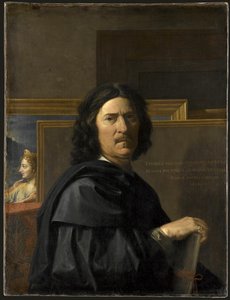
Nicolas Poussin
1594 - 1665 , Franța
Detalii rapide
- Artistic Movement Or Style: Baroc, Clasicism
- Artists Who Influenced This Artist:
- Rafael
- Titian
- Date Of Birth: 1594
- Full Name: Nicolas Poussin
- Nationality: Franțuzesc
- Notable Artworks:
- Moartea lui Germanicus
- Șapte Sacrament
- Drum roman
- Orion căutând Soarele
- Sezoanele
- Place Of Birth: Le Havre, Franța
Articole similare

Baroque Landscapes: A Procurement Guide to Dramatic Depth and Grandeur for Professional Hotel Interiors
Elevate hospitality interiors with Baroque landscape reproductions. Our guide for hotel designers covers sourcing hand-painted oils, multi-panel layouts, and large-scale murals to create dramatic, high-end spaces with reliable bulk procurement and global shipping.

Baroque Classicism: A Professional Guide to Integrating Timeless Grandeur into Luxury Hotel Interiors
Elevate luxury hospitality with Baroque Classicism. Our guide for hotel designers explores integrating grand, classical oil reproductions into professional interiors. Discover efficient bulk procurement, custom sizing, and large-format murals to create timeless, high-impact spaces.


