Garanție de rambursare în 100 de zile Livrare gratuită în toată lumea
449.587opere de artă 30.613artişti 4.660muzee 32limbi
Monedă
    Limba
      Atelier · Est. 2015 · Paris, Franța
      AllPaintingsStore
      allpaintingsstore.com
      Catalogue entry

      Venus și Adonis

      1586. Ulei pe pânză, 68.0 x 52.0 cm. Muzeul Kunsthistorisches din Viena.

      Fig. 1. Paolo Veronese, Venus și Adonis, 1586. Shown as the reproduction you are specifying: , .

      § 1Catalogue data

      § 2Abstract

      Descriere obiect de colecție

      Descoperiți "Venus și Adonis", o capodopera barocă de la Paolo Veronese! O pictură opulentă cu scene mitologice, culori vibrante și detalii impresionante. Explorează măiestria venetiană!

      Biografie artist

      Paolo Veronese (1528-1588): Maestru venetian al culorii și compoziției spectaculoase, renumit pentru scene fastuoase de banchet și arhitectură. Descoperă moștenirea sa!

      § 3Commentary

      A Venetian Rhapsody: Paolo Veronese’s “Venus and Adonis”

      Paolo Veronese's "Venus and Adonis," painted in 1586, is more than simply a mythological scene; it’s a dazzling immersion into the heart of 16th-century Venice. This opulent masterpiece, now housed in the Museo del Prado in Madrid, captures the spirit of a city brimming with wealth, artistic innovation, and a profound appreciation for classical beauty. Veronese, born Paolo Caliari in Verona in 1528, skillfully transformed his humble beginnings into a career defined by lavishness and theatrical grandeur – a hallmark that would forever cement his place as one of Venice’s most celebrated Renaissance artists.

      The painting depicts the legendary encounter between Venus, goddess of love, and Adonis, a youthful hunter. The composition is immediately arresting: a pyramidal structure anchors the scene, with the figures—Venus, her beloved Adonis, and a cherubic child—forming the apex. Surrounding them is a dense, dark forest, meticulously rendered to create an atmosphere of secluded romance and dramatic intensity. Notice how Veronese masterfully employs atmospheric perspective; the background trees fade into a hazy darkness, drawing the viewer’s eye directly to the central figures bathed in a rich, golden light. This deliberate use of light and shadow is characteristic of Baroque painting, adding depth and emotional resonance.

      The Language of Form and Color

      Veronese's technical prowess is immediately apparent upon close inspection. The artist’s command of oil paint is breathtaking – layers are built up with painstaking detail to achieve a remarkable sense of texture. Observe the smooth, almost luminous quality of Venus’ skin, contrasted with the rougher bark of the trees and the intricate folds of Adonis' clothing. Lines define the muscular form of the man, while the drapery flows with an elegant fluidity, demonstrating Veronese’s ability to balance geometric precision with organic forms. The color palette is equally impressive – a riot of rich reds, blues, golds, and greens creates a visually sumptuous experience, echoing the opulence of Venetian society at the time.

      The use of perspective is subtly flattened, a characteristic of earlier Baroque styles that prioritizes illusionistic space over strict mathematical accuracy. However, this choice doesn’t diminish the painting's impact; instead, it contributes to the overall sense of drama and theatricality. The meticulous layering of paint, combined with his masterful understanding of light and shadow, creates an incredibly realistic – yet undeniably idealized – depiction of these mythological figures.

      Symbolism and Venetian Grandeur

      “Venus and Adonis” is laden with symbolic meaning, reflecting the prevailing cultural values of 16th-century Venice. Venus, representing beauty, fertility, and love, is portrayed as a goddess of unparalleled allure. Adonis, though youthful and vulnerable, embodies strength and virility. The cherubic child likely symbolizes new life and hope – perhaps even the future heir to Venetian power. The setting itself—a dense forest—suggests both danger and romance, mirroring the passionate nature of their love story.

      Furthermore, the inclusion of a lavish banquet in the background (visible in detail if you examine the painting closely) is a deliberate nod to Venice’s status as a major commercial center. These scenes of feasting and celebration were common in Veronese's work, showcasing the city’s wealth and prosperity – often commissioned by wealthy patrons eager to display their influence and taste. The backdrop subtly incorporates elements reminiscent of Basilica dei Santi Giovanni e Paolo (San Zanipolo), a significant church in Venice, further grounding the scene within the artist’s immediate environment.

      A Timeless Masterpiece: Reproduction Possibilities

      Paolo Veronese's “Venus and Adonis” remains one of the most captivating works of the Venetian Renaissance. AllPaintingsStore offers meticulously crafted hand-painted reproductions that capture the essence of this iconic painting, allowing you to bring its beauty into your home or office. Our skilled artists faithfully recreate Veronese’s masterful use of color, texture, and composition, ensuring a stunningly authentic representation. Whether you're an art enthusiast, collector, or simply seeking a touch of Venetian elegance, our reproductions provide a remarkable opportunity to own a piece of art history.

      Explore the full details and dimensions of this exceptional artwork on our website: Venus and Adonis (Veronese, Madrid)

      Întrebări și răspunsuri

      Ce dimensiuni are "Venus și Adonis" de Paolo Veronese în realitate?

      Lucrarea originală "Venus și Adonis" de Paolo Veronese are dimensiunile de 68 x 52 cm.

      Imaginea pentru "Venus și Adonis" de Paolo Veronese poate fi reprodusă liber?

      În ceea ce privește drepturile de autor, "Venus și Adonis" este în domeniul public – drepturile de autor au expirat.

      "Venus și Adonis" de Paolo Veronese este o compoziție de tip portret, peisaj sau pătrată?

      Formatul pentru "Venus și Adonis" este Orientare verticală. Acest lucru este util atunci când planificați unde va fi amplificată o reproducere.
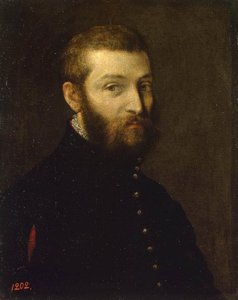
      § 4The artist

      Paolo Veronese

      Paolo Veronese

      1528 - 1588, Italia

      Quick facts about Paolo Veronese

      • Artistic Movement Or Style: Renaștere, Maneirism
      • Artists Or Movements Influenced By This Artist: ['Raphael']
      • Artists Who Influenced This Artist: ['Titian']
      • Date Of Birth: 1528
      • Date Of Death: 1588
      • Full Name: Paolo Caliari Veronese
      • Nationality: Italian
      • Notable Artworks:
        • Cana
        • Levi
      • Place Of Birth: Verona, Italia

      Biografie artist

      A Venetian Visionary: The Life and Art of Paolo Veronese

      Paolo Caliari, known to the world as Paolo Veronese, emerged from the vibrant artistic landscape of 16th-century Venice as a master of color, composition, and opulent spectacle. Born in Verona in 1528, the son of a stonecutter, his early life was steeped in the visual richness of his surroundings – the classical architecture, sculpted forms, and burgeoning humanist ideals that characterized the region. His initial training under Antonio Badile and Giovanni Francesco Caroto laid a foundation in traditional techniques, but it was his move to Venice in the 1550s that truly ignited his artistic genius. The city itself became his muse, its bustling marketplaces, grand palazzi, and shimmering waterways informing the scale and drama of his work. He quickly absorbed the influences of established Venetian masters like Titian, whose mastery of color profoundly impacted Veronese’s palette, yet he forged a distinct style characterized by an unparalleled sense of theatricality and grandeur.

      The Painter of Feasts and Grand Narratives

      Veronese's reputation rests upon his monumental paintings, particularly those depicting lavish feasts and biblical scenes transformed into dazzling displays of Venetian life. The Wedding at Cana, completed in 1563 for the Benedictine monastery of San Giorgio Maggiore, stands as a testament to his skill. This colossal canvas isn’t merely an illustration of the miracle; it's a vibrant panorama of 16th-century society, teeming with elegantly dressed figures, musicians, and architectural details rendered with breathtaking precision. The painting is not just about what happened at Cana but *how* it would have looked if it had occurred in Venice during Veronese’s time – a deliberate choice that challenged conventional religious depictions. Similarly, The Feast in the House of Levi, originally titled The Last Supper, caused controversy with the Inquisition due to its inclusion of contemporary figures and a seemingly irreverent atmosphere. Veronese defended his artistic license, asserting that painters were entitled to the same creative freedom as poets and jesters – a bold statement reflecting his belief in art’s power to interpret and reimagine sacred narratives. These works weren't simply religious depictions; they were celebrations of life, wealth, and the splendor of Venice itself. He wasn’t interested in austere spirituality but rather in capturing the joy and abundance of existence. His ability to seamlessly blend historical accuracy with imaginative storytelling cemented his place as one of Venice’s most celebrated artists.

      Influences and Artistic Development

      While Titian’s influence on Veronese’s colorism is undeniable, his artistic development was a complex interplay of various influences. The architectural precision he brought to his compositions owes much to the classical tradition prevalent in Verona during his formative years, particularly the work of architects like Michele Sanmicheli. He also absorbed elements from Central Italian masters such as Raphael and Parmigianino, evident in the graceful lines and harmonious arrangements within his paintings. However, Veronese didn’t simply imitate these influences; he synthesized them into a uniquely Venetian style characterized by its dramatic use of light, vibrant color palettes, and meticulous attention to detail. He excelled at creating illusions of space and depth, employing perspective techniques to draw viewers into the heart of his elaborate scenes. His mastery of oil painting allowed him to achieve an unparalleled luminosity and richness of texture. He also ran a large workshop, with contributions from his brother Benedetto and his sons Gabriele and Carlo (or 'Carletto'), ensuring that his style continued to flourish even after his death in 1588.

      Major Achievements and Notable Works

      Veronese’s career was marked by a remarkable output of significant works, each showcasing his distinctive style and technical prowess. Beyond the aforementioned *Wedding at Cana* and *Feast in the House of Levi*, he produced numerous altarpieces for churches throughout Venice and the surrounding region, including masterpieces such as The Reconciliation of St. Peter and Paul (1575-76) and a series of paintings for the Villa Barbaro at Maser, depicting mythological scenes with an astonishing level of detail and theatricality. His decoration of the library of S. Marco in Venice – featuring intricate ceiling frescoes – remains one of his most ambitious projects. His work during this period demonstrated not only technical skill but also a profound understanding of Venetian society and its values. The *Sacred Life of St. Francis* (1573-76) is another prime example, showcasing his ability to depict both the saint’s spiritual journey and the vibrant life of his followers.

      Legacy and Historical Significance

      Paolo Veronese's impact extends far beyond the realm of Renaissance art. His work has resonated through centuries, inspiring artists across various disciplines. His dramatic compositions and vibrant color schemes have been cited as influences on everything from Baroque painting to modern cinema – even finding echoes in the visual aesthetics of Spaghetti Westerns. He was part of the “great trio” of Venetian painters—alongside Titian and Tintoretto—each contributing uniquely to the city’s artistic legacy, yet Veronese often stands apart for his sheer exuberance and celebration of earthly pleasures. His paintings continue to captivate audiences with their grandeur and spectacle, offering a glimpse into the opulent world of 16th-century Venice. Veronese's legacy is a testament to his artistic genius, his ability to capture the essence of an era, and his enduring contribution to the history of art.

      § 5Comparanda

      § 6Questions

      Informații rapide

      • Notable elements: Iluminare dramatică,
      • Title: Venus și Adonis
      • Artistic style: Detalii realiste,
      • Subject: Mito-romantic
      • Dimensions: 68 x 52 cm
      • Movement: Baroc

      Test de cunoștințe despre artă

      Fiecare întrebare are un singur răspuns corect.

      Întrebare 1:
      În scena pictată de Paolo Veronese, "Venus și Adonis", care este principalul element de fundal?
      Întrebare 2:
      Ce stil artistic este cel mai bine asociat cu opera lui Paolo Veronese, așa cum este reflectat în această pictură?
      Întrebare 3:
      Care este semnificația principală a figurii lui Adonis în această pictură?
      Întrebare 4:
      Ce tehnică de pictură este evidentă în utilizarea culorilor bogate și a stratelor multiple de vopsea?
      Întrebare 5:
      În ce an a fost creată pictura "Venus și Adonis" de Paolo Veronese?

      § 7Cite this entry

      AllPaintingsStore.com, “Paolo Veronese, Venus și Adonis (1586)”, https://allpaintingsstore.com/ro/art/paolo-veronese-venus-si-adonis-8Y3LDY-ro/ArtistReproduction/ (accessed 1 Octombrie 2026).

      § 8The reproduction

      Reproducere pictată manual în ulei

      Pictură în ulei pe pânză, pictată manual de artiștii noștri la dimensiunea și ramele dorite de dumneavoastră, pe comandă. ( Comută pe versiunea Print Comută pe Imagine Digitală)

      It is specified on the order sheet in the margin; the present state of that sheet reads as follows.

      Venus și Adonis

      Tehnică de reproducere

      Dimensiune reproducere

      -

      Selecție de artiști de elită

      Mai multe detalii, rafinament și timp suplimentar de execuție

      -

      Ramă pentru reproducere artistică

      -

      -

      Pentru opere de artă sau reproduceri care depășesc 105 cm (aproximativ 41 de inch) pe oricare dintre laturi, cadrul va fi livrat demontat, sub formă de kit. Această metodă asigură o livrare sigură și previne deteriorarea în timpul transportului.

      Este necesară asamblarea profesională – acest produs nu este de tip DIY (de făcut singur).
      Kitul trebuie asamblat, iar pânza întinsă, de către un legător de cadre experimentat, utilizând adeziv pentru lemn (neinclus în colet), o cheie pentru întinderea pânzei și cleme pentru a menține barele la unghi drept în timp ce adezivul se usucă. Asamblarea incorectă sau tensiunea neuniformă a pânzei pot deteriora permanent opera de artă și nu sunt acoperite de garanția noastră.

      • Toate barele din lemn masiv sunt incluse, tăiate cu precizie la dimensiunea necesară.

      • Asamblat cu șuruburile incluse, plus adeziv pentru lemn pentru îmbinările de colț, care nu este furnizat și trebuie achiziționat de către tâmplarul dumneavoastră.

      • Sunt necesare unelte profesionale care nu sunt incluse: o șipte de întindere a pânzei (tensionator) și cleme pentru a menține barele la unghi drept în timp ce adezivul se usucă.

      Important:
      Îmbinările de colț necesită adeziv pentru lemn, barele trebuie fixate cu clești de strângere până când adezivul este complet uscat, iar întinderea pânzei pe cadrul asamblat necesită un clește pentru întins pânza. Niciunul dintre aceste elemente nu este inclus în kit. Vă rugăm să consultați un încadrator profesionist cu experiență înainte de a comanda această dimensiune.

      Etichetă de prezentare

      -

      -

      Lac de protecție

      Lac lucios (intensifică nuanțele și oferă protecție împotriva luminii și a umidității)

      -

      Personalizează opera mea de artă

      Exemple de elemente ce pot fi personalizate: Înlocuirea feței cu fotografia clientului; Adăugarea unui animal de companie (de exemplu, înlocuirea unei pisici cu un câine); Includerea unui mesaj ascuns în fundal; Modificarea peisajului sau a elementelor din fundal.

      -

      Livrare rapidă

      Livrare la nivel mondial () în 3-4 săptămâni, în loc de cele 5 săptămâni standard. (29 Octombrie). Fără compromisuri când vine vorba de calitate.

      -

      Livrare rapidă

      Livrare la nivel mondial () în 5 săptămâni. (5 Noiembrie).

      Inclus

      Preț total calculat

      lei 1432

      Included with every order

      • Livrare expres gratuită la nivel mondial
      • Pânză de in de înaltă calitate
      • Asigurare completă pentru transport
      • Garanție de rambursare a taxelor vamale
      • Garanția fidelității culorilor
      • Politica de retur în 100 de zile (doar pentru defecte de fabricație)
      • Garanție de rambursare 100%
      • Ofertă pentru comenzi multiple
      Order sheet