


 Previzualizare
 Trimite
 Distribuie
 Detalii despre lucrare

 Descarcă
 Produse similare
 Radiografie
 Diapozitive automate
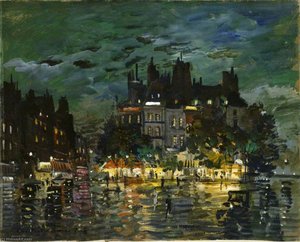
Window twilight
 Vezi mai mult
Reproducere pictată manual în ulei
Pictură în ulei pe pânză, realizată manual de artiștii noștri la dimensiunea și ramele dorite de dumneavoastră, pe comandă. ( Comandă printul Cumpără imaginea)




































Alegeți dintre dimensiunile noastre prestabilite, care respectă proporțiile originale ale operei de artă.

Puteți introduce propriile dimensiuni pentru a se potrivi unui anumit cadru sau spațiu. Dacă dimensiunea selectată nu corespunde proporțiilor imaginii originale, vom decupa opera de artă sau vom extinde pictura cu elemente suplimentare pictate manual. O simulare digitală vă va fi trimisă pentru aprobare înainte de începerea producției.
Vă rugăm să rețineți că previzualizarea de pe ecran nu reflectă decuparea sau extinderea reală. Doar macheta va arăta cu exactitate compoziția finală.
Deși sunt disponibile dimensiuni personalizate, vă recomandăm să selectați o dimensiune din lista predefinită pentru a păstra proporțiile originale.
După plasarea comenzii, echipa AllPaintingsStore.com va contacta clientul prin e-mail pentru instrucțiuni și îi va furniza o previzualizare a machetei
Livrare în întreaga lume () în 3-4 săptămâni, în loc de cele 5 săptămâni standard. (14 August). Fără compromisuri în ceea ce privește calitatea.

Livrare expres gratuită la nivel mondial

Pânză de in de înaltă calitate

Asigurare completă pentru transport

Garanție de rambursare a taxelor vamale

Garanția fidelității culorilor

Politica de retur în 60 de zile (doar pentru defecte)

Garanție de rambursare 100%

Ofertă pentru comenzi multiple
 Opțiunea cu sticlă este disponibilă doar pentru dimensiuni de sub 110 cm

Window twilight
Tehnică de reproducere
Dimensiune reproducere
-


Preț total calculat
$ 258
Opere similare




Biografie artist
A Quiet Visionary: The Life and Art of Peter Johan Kraft
Born in Hesse, Germany, around 1780, Peter Johan Kraft emerged from obscurity as a singular voice within the burgeoning Romantic landscape movement. Little is known about his early life—records indicate he pursued studies in mathematics and natural philosophy, disciplines that would undoubtedly inform his artistic sensibilities.
- Early Influences: Kraft’s formative years coincided with the rise of German idealism, championed by thinkers like Johann Gottlieb Fichte and Friedrich Wilhelm Joseph Schelling. These philosophical currents instilled a profound appreciation for sublime beauty—a concept central to Romantic aesthetics—and fueled his desire to capture the grandeur and emotional depth of nature.
- Movements: Kraft’s artistic journey unfolded primarily during the Romantic era (roughly 1800-1850), though he exhibited a remarkable sensitivity to stylistic nuances beyond its core tenets. He skillfully blended elements of Neo-Classical precision with Impressionistic luminosity, creating canvases that resonate with both intellectual rigor and perceptual immediacy.
Mediterranean Serenity: Kraft’s Landscape Paintings
Kraft’s oeuvre is overwhelmingly devoted to depictions of the Mediterranean—specifically coastal regions of Italy and France. These landscapes are characterized by a masterful command of light and color, achieved through meticulous observation and painstaking brushwork. He eschewed dramatic contrasts in favor of subtle gradations that convey an atmosphere of profound stillness.
- Technique: Kraft employed a layered glazing technique—a hallmark of Neo-Classical painting—to build up tonal harmonies with remarkable subtlety. However, he infused his compositions with Impressionistic touches—particularly in the depiction of atmospheric haze and reflected light—demonstrating an intuitive grasp of perceptual principles.
- Symbolism: Recurring motifs within Kraft’s landscapes—such as cypress trees, olive groves, and distant mountains—carry symbolic weight. These elements evoke associations with mortality, resilience, and spiritual contemplation, reflecting the Romantic preoccupation with existential themes.
Parisian Reflections: Capturing Urban Life
Beyond his celebrated landscapes, Kraft produced a series of paintings that offer glimpses into Parisian life during the mid-century. Unlike many artists of his time who sought to portray urban dynamism, Kraft focused on capturing moments of quiet contemplation—often featuring interiors bathed in soft twilight hues.
- Atmosphere: Kraft’s Parisian scenes are imbued with an ethereal luminescence that transcends mere optical realism. He skillfully manipulated color and tonal values to evoke a mood of melancholy beauty—a stylistic choice that aligns perfectly with the Romantic impulse toward emotional expression.
- Composition: Kraft favored asymmetrical compositions—often employing diagonals to create visual tension—that subtly guide the viewer’s gaze across the canvas. These compositional strategies underscore his belief in the primacy of feeling over formal convention.
Legacy and Historical Significance
Peter Johan Kraft died in 1856, leaving behind a modest but undeniably distinctive body of work. While he never achieved widespread fame during his lifetime, his paintings continue to captivate audiences today with their serene beauty and profound psychological insight. Kraft stands as an exemplar of Romantic artistic sensibility—a testament to the enduring power of observation, imagination, and emotional honesty.

peter johan kraft
1780 - 1856 , Germany
Detalii rapide
- Artistic Movement Or Style: Mediterranean Landscape
- Artists Or Movements Influenced By This Artist: ['Romanticism']
- Artists Who Influenced This Artist: ['Romanticism']
- Date Of Birth: 1780
- Full Name: Peter Johan Kraft
- Nationality: German
- Notable Artworks: ['Twilight Studies']
- Place Of Birth: Hesse, Germany



