 Previzualizare
 Trimite
 Distribuie
 Detalii despre lucrare

 Descarcă
 Produse similare
 Radiografie
 Diapozitive automate
Untitled
 Drawing
- WallArt
- Contemporary Art
 1980
1980- Contemporary
 31.0 x 45.0 cm
 Souls Grown Deep
 Vezi mai mult
Giclée / Imprimare artistică
Printuri giclée sau pe canvas de calitate muzeală, cu proces de producție rapid și opțiuni flexibile de finisare. ( Comandă pictură lucrată manual Cumpără imaginea)




P118B $10

P118H $10

P118W $10

P438Z $10

P508JH $12

P508YH $12

P805H $10

P805Z $10

P919BZ $10

P919G $10

P919XJ $10

P959ZH $10

P968JZ $12

W106C $8

W218G $10

W218JH $8

W218Y $10

W307PJ $10

W316G $10

W316PJ $8

W316Y $10

W398PJ $8

W4111J $10

W500HY $15

W500JH $15

W692G $12

W849H $8

W940BG $15

W953PJ $8




Alegeți dintre dimensiunile noastre prestabilite, care respectă proporțiile originale ale operei de artă.

Puteți introduce propriile dimensiuni pentru a se potrivi unui anumit cadru sau spațiu. Dacă dimensiunea selectată nu corespunde proporțiilor imaginii originale, vom decupa lucrarea de artă sau vom extinde imaginea cu margini oglindite sau cu o culoare uniformă. Un mockup digital va fi trimis pentru aprobarea dumneavoastră înainte de începerea producției.
Vă rugăm să rețineți că previzualizarea de pe ecran nu reflectă decuparea sau extinderea reală. Doar mockup-ul va arăta cu exactitate compoziția finală.
Deși dimensiunile personalizate sunt disponibile, vă recomandăm să selectați o dimensiune din lista predefinită pentru a păstra proporțiile originale.
Livrare în întreaga lume () în 2 săptămâni, în loc de cele 4/5 săptămâni standard. (19 August)

Livrare expres gratuită la nivel mondial

Pânză de in de înaltă calitate

Asigurare completă pentru transport

Garanție de rambursare a taxelor vamale

Garanția fidelității culorilor

Politica de retur în 60 de zile (doar pentru defecte)

Garanție de rambursare 100%

Ofertă pentru comenzi multiple
 Opțiunea cu sticlă este disponibilă doar pentru dimensiuni de sub 110 cm

Untitled
Giclée / Imprimare artistică
Dimensiune reproducere
-


Preț total calculat
$ 64
Descriere obiect de colecție
A Window into the Soul of Overtown
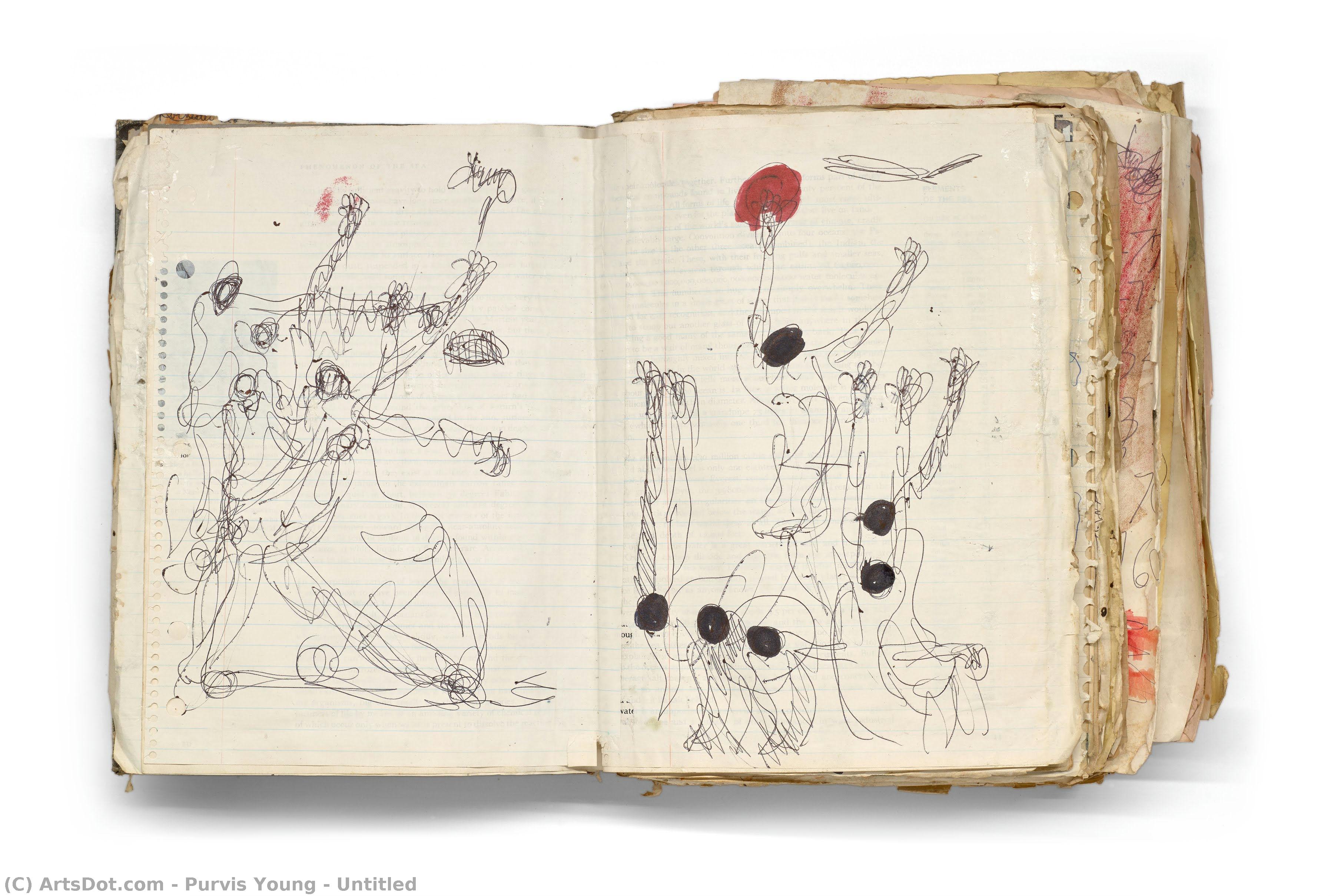
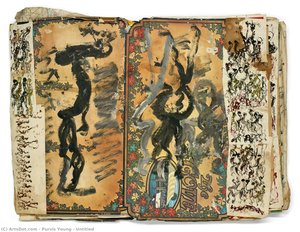
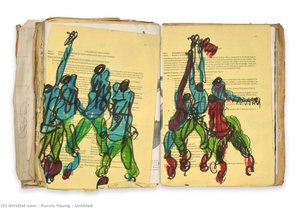
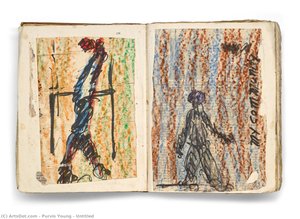
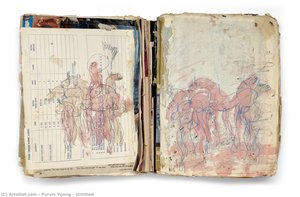
In the raw, unfiltered strokes of Purvis Young’s Untitled (1980), we find more than just a collection of figures; we encounter a vibrant, kinetic pulse of life captured on paper. This piece serves as an intimate window into the artist's unique visual language, where the boundaries between the observer and the observed dissolve. The artwork presents a rhythmic assembly of figures engaged in various states of motion—some poised with tennis rackets, others caught in mid-stride or quiet contemplation. There is a profound sense of community captured here, not through polished portraiture, but through a frantic, beautiful energy that suggests a world teeming with stories, much like the streets of Miami’s Overtown that so deeply informed Young's vision.
The technique employed in this work reflects the artist's legendary autodidactic spirit. Eschewing the formal constraints of traditional academies, Young utilized a style that is both spontaneous and deeply intentional. The drawings, appearing as if pulled directly from the pages of a personal sketchbook, possess a tactile quality that invites the viewer to lean closer. Each figure is rendered with a sense of urgency, using lines that dance across the surface to convey movement and vitality. This approach creates a layered complexity; while at first glance the composition may seem chaotic, a closer inspection reveals a deliberate choreography of human interaction, where every tennis ball and every reaching limb contributes to a larger, symphonic narrative of existence.
For the discerning collector or interior designer, this piece offers a rare opportunity to possess a fragment of art history that defies categorization. The emotional impact of Untitled lies in its accessibility and its honesty. It does not demand reverence through grand scale or expensive materials, but rather through its sheer, unadulterated humanity. Incorporating a high-quality reproduction of this work into a curated space brings an element of authentic storytelling and raw texture. It serves as a sophisticated conversation starter, injecting a sense of historical depth and urban soul into modern interiors, reminding us that the most profound truths are often found in the simplest, most unpretentious observations of everyday life.
Opere similare






Biografie artist
A Life Forged in Overtown: The Story of Purvis Young
Purvis Young’s art wasn't born in a studio, but on the streets of Miami’s Overtown neighborhood—a place he didn’t just depict, but *lived* and breathed. Born in Liberty City in 1943, Young’s journey was one of self-discovery fueled by hardship, observation, and an unwavering dedication to translating the soul of his community onto any surface he could find. He wasn't formally trained; his education came from immersing himself in art books during a period of incarceration, and then through relentless study at Miami’s public libraries. This autodidacticism became central to his artistic identity—a refusal to conform to established norms, mirroring the resilience of Overtown itself. His early life was marked by challenges, including time spent in prison for breaking and entering, an experience that profoundly shaped his worldview and ultimately ignited a creative fire within him. Upon release, he didn’t seek out galleries or mentors; instead, he turned inward, finding inspiration in the decaying beauty and vibrant humanity surrounding him.The Alchemy of Found Objects
Young's artistic process was as unique as his vision. He wasn’t interested in pristine canvases or expensive materials. Instead, he scavenged Overtown—a neighborhood undergoing dramatic change and decline—for discarded wood, scrap metal, old books, fragments of wallpaper, and anything else that caught his eye. These weren’t simply *materials*; they were the very essence of the community he sought to represent. He transformed these castoffs into powerful assemblages, layering drawings, paintings, and text in a chaotic yet strangely harmonious manner. This technique wasn't merely about resourcefulness; it was a deliberate act of reclamation—giving voice to the forgotten and overlooked. His work often features recurring motifs: horses symbolizing freedom, angels representing spirituality, and fragmented figures engaged in ritualistic acts, all rendered with an expressive rawness that conveys both despair and hope. The surfaces are textured, layered, and often distressed, mirroring the physical and emotional landscape of Overtown. He didn’t just paint *about* the neighborhood; he painted *with* it, incorporating its very fabric into his art.Echoes of Influence and a Singular Voice
While largely self-taught, Young wasn't entirely isolated from artistic currents. The mural movement of the 1960s resonated with him, inspiring him to create large-scale works directly within Overtown—transforming dilapidated walls into vibrant canvases that documented the lives and struggles of its residents. He absorbed influences from a wide range of sources, evident in his eclectic style, yet he never imitated. His work possesses a distinct aesthetic—a raw energy, a chaotic beauty, and a poignant social commentary that sets him apart. Some critics have noted echoes of Expressionism and Surrealism in his imagery, but these are filtered through the unique lens of his personal experience and cultural context. He wasn’t interested in replicating existing styles; he was intent on forging his own visual language—one that could capture the complexities of urban life and the resilience of the human spirit.A Chronicle of a Community
Purvis Young's significance extends far beyond aesthetics. His work serves as an invaluable historical document, preserving the memory of Overtown during a period of profound transformation and social upheaval. He captured the essence of a community facing displacement, poverty, and systemic injustice—giving voice to those who were often marginalized and ignored. His art is a powerful commentary on the African American experience in the South, exploring themes of resilience, spirituality, and the enduring search for dignity. Moreover, his success as a self-taught artist challenges conventional notions of artistic training, demonstrating that true creativity can flourish outside the confines of academia. He reminds us that art isn’t just about technical skill; it's about vision, passion, and the courage to tell your story—even when that story is difficult or uncomfortable.Recognition and Lasting Legacy
For years, Young’s work circulated primarily within a devoted local following. Collectors like Jane Fonda, Damon Wayans, Jim Belushi, and Dan Aykroyd recognized the power and originality of his vision early on, providing crucial support during a time when mainstream art institutions largely overlooked him. The documentary *Purvis of Overtown*, produced in 2006, brought wider attention to his life and work, but it was ultimately the increasing recognition from museums and galleries that solidified his place in art history. Today, his paintings are held in prestigious collections worldwide, including the American Folk Art Museum, the Pérez Art Museum Miami, and the Smithsonian American Art Museum. In 2018, he was posthumously inducted into the Florida Artists Hall of Fame—a testament to his enduring impact on the state’s artistic heritage. His legacy continues to inspire artists and viewers alike, urging us to look beyond the surface and engage with the complexities of the world around us.
Purvis Young
1943 - 2010 , Statele Unite ale Americii
Detalii rapide
- Artistic Movement Or Style: Expresionism social
- Date Of Birth: 4 Feb 1943
- Date Of Death: 20 Apr 2010
- Full Name: Purvis Young
- Nationality: American
- Notable Artworks:
- Untitled (1980)
- Untitled (1978)
- Place Of Birth: Liberty City, USA
Articole similare

Banksy Unmasked: The Power and Mystery of Street Art's Greatest Icon
Explore the enigmatic world of Banksy. Journey through his iconic stencils, decode his subversive social commentary, and discover how this anonymous legend redefined modern art and pop culture through powerful urban storytelling.