

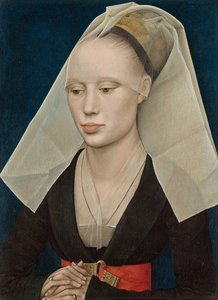
1445. Acrylic On Canvas, 101.0 x 70.0 cm. Muzeul Kunsthistorisches din Viena.

§ 1Date catalog

- 101.0 x 70.0 cm


§ 2Abstract
Descriere obiect de colecție
 Vezi mai mult
Biografie artist
Rogier van der Weyden (1400-1464): Maestru al artei flamande timpurii, renumit pentru picturi religioase emoționale, culori bogate și detalii naturaliste. Explorează 'Lamentația' & mai mult!
§ 3Comentariu
Rogier van der Weyden’s Crucifixion Triptych: A Masterpiece of Emotion and Detail
The Crucifixion Triptych, created around 1443–1445 by Rogier van der Weyden, stands as a cornerstone of Early Netherlandish painting—a testament to artistic innovation and profound emotional depth. More than just a depiction of biblical scripture, it’s an immersive experience for the viewer, meticulously crafted with unparalleled attention to detail and imbued with symbolic resonance that continues to captivate scholars and collectors alike.
- Subject Matter: The central panel portrays Jesus Christ crucified on the cross, surrounded by Mary Magdalene and Saint John the Evangelist. This iconic scene captures the pivotal moment of Christian faith—sacrifice and redemption—and embodies the spiritual fervor characteristic of its time.
- Style & Technique: Van der Weyden’s style exemplifies the Northern Renaissance aesthetic, prioritizing realism and psychological insight over idealized beauty. He employs a masterful glazing technique – layering thin translucent layers of pigment over thicker undercoats – to achieve luminous colors and textures that convey an astonishing sense of physicality. Notice particularly the subtle gradations of light and shadow, creating a palpable atmosphere of sorrow and contemplation.
- Historical Context: Painted during the Burgundian Renaissance in Brussels, this triptych reflects the burgeoning humanist spirit of the era alongside deep religious devotion. Philip the Good commissioned it, demonstrating the importance of patronage in fostering artistic excellence and disseminating theological ideas. The painting’s meticulous depiction aligns with a broader trend toward portraying biblical narratives with heightened accuracy and emotional intensity.
- Symbolism: Every element within the triptych speaks to profound symbolic meaning. Mary Magdalene's gesture of compassion—pressing her hand against Christ’s foot—represents comfort and solace in times of suffering. The Virgin Mary’s serene expression embodies maternal piety and unwavering faith. Veronica’s cloth bearing Jesus’s image symbolizes divine grace and humility, highlighting the transformative power of faith.
- Emotional Impact: Viewing this artwork evokes a powerful response – one of sorrowful empathy and spiritual contemplation. Van der Weyden's masterful rendering captures the anguish of grief and conveys an overwhelming sense of solemn reverence. The luminous colors and textured surfaces heighten the emotional impact, transporting the viewer into the heart of the biblical narrative and prompting reflection on themes of sacrifice, compassion, and divine love.
The Crucifixion Triptych remains a remarkable achievement in artistic history—a timeless masterpiece that continues to inspire awe and admiration for its technical brilliance and profound emotional expression.
Întrebări și răspunsuri
Unde pot găsi opere de artă similare cu "Crucifixion Triptych (central panel)" de Rogier van der Weyden?
Descoperă opere de artă similare cu "Crucifixion Triptych (central panel)" de Rogier van der Weyden în pagina Lucrări similare a lucrării.
Care sunt formatul și dimensiunile pentru "Crucifixion Triptych (central panel)"?
Formatul lucrării „Crucifixion Triptych (central panel)” este Portrait, iar dimensiunile originale sunt 101 x 70 cm. Ambele informații sunt utile atunci când planificați o reproducere.
„Crucifixion Triptych (central panel)” are o previzualizare în realitate augmentată?
Pagina Previzualizare în AR pentru "Crucifixion Triptych (central panel)" de Rogier van der Weyden folosește realitatea augmentată pentru a vizualiza opera de artă în propriul tău spațiu, pe un dispozitiv compatibil.


 Comută pe versiunea Print


 Pentru opere de artă sau reproduceri care depășesc 105 cm (aproximativ 41 de inch) pe oricare dintre laturi, cadrul va fi livrat demontat, sub formă de kit. Această metodă asigură o livrare sigură și previne deteriorarea în timpul transportului.


