Garanție de rambursare în 100 de zile Livrare gratuită în toată lumea
449.587opere de artă 30.613artişti 4.660muzee 32limbi
Monedă
    Limba
      Atelier · Est. 2015 · Paris, Franța
      AllPaintingsStore
      allpaintingsstore.com
      Catalogue entry

      Scupstoel

      1448. Acrylic.

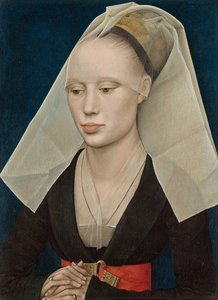
      Fig. 1. Rogier van der Weyden, Scupstoel, 1448. Shown as the reproduction you are specifying: , .

      § 1Catalogue data

      § 2Abstract

      Descriere obiect de colecție

      Explore Rogier van der Weyden’s haunting ‘Scupstoel,’ a masterful study in quiet intensity capturing the contemplative spirit of Early Netherlandish painting—a revolutionary depiction of emotion and meticulous detail that invites you to discover its timeless beauty.

      Biografie artist

      Rogier van der Weyden (1400-1464): Maestru al artei flamande timpurii, renumit pentru picturi religioase emoționale, culori bogate și detalii naturaliste. Explorează 'Lamentația' & mai mult!

      § 3Commentary

      A Study in Quiet Intensity: Examining Rogier van der Weyden’s ‘Scupstoel’

      Rogier van der Weyden’s “Scupstoel,” completed around 1448, stands as a remarkable testament to the burgeoning artistic spirit of Early Netherlandish painting. More than just a depiction of a man seated upon a pile of chairs—a seemingly simple subject matter—the artwork embodies profound emotional depth and meticulous craftsmanship that cemented Van der Weyden’s reputation as one of the era's foremost masters.

      Style & Technique: The piece exemplifies the stylistic hallmarks of its time, firmly rooted in the Northern Renaissance tradition. Characterized by a restrained palette dominated by muted browns, ochres, and reds—a deliberate choice reflecting the solemnity of religious contemplation—the painting prioritizes naturalistic detail over flamboyant ornamentation. Van der Weyden’s mastery is evident in his painstaking rendering of textures: the worn fabric of the chairs, the subtle creases in the man's clothing, and even the delicate folds of drapery convey a palpable sense of realism.

      Historical Context: Created during a period marked by significant religious fervor—the Burgundian Netherlands experienced a fervent devotion to saints and biblical narratives—‘Scupstoel’ speaks directly to this cultural milieu. The artwork likely served as a preparatory sketch or study for a larger altarpiece, reflecting the prevailing artistic practice of exploring compositional ideas before committing them to monumental canvases.

      Symbolism & Emotion: While the precise symbolism embedded within ‘Scupstoel’ remains debated by scholars, its central figure—a man seated amidst the chairs—is interpreted as representing contemplation and humility. The arrangement itself suggests a deliberate effort to convey inner turmoil balanced by serene composure. Van der Weyden's ability to capture such nuanced psychological states was revolutionary for his time, marking him as a pioneer in portraying human emotion with unprecedented sensitivity.

      Interior Design Inspiration: “Scupstoel”’s understated elegance and masterful execution offer valuable insights into the aesthetic sensibilities of the fifteenth century. Its muted tones and textured surfaces can inspire designers seeking to create spaces imbued with warmth, tranquility, and intellectual curiosity—a timeless reminder that beauty resides not merely in grandeur but also in profound emotional resonance.

      Întrebări și răspunsuri

      Ce emoție transmite "Scupstoel" de Rogier van der Weyden?

      Tonul emoțional înregistrat pentru "Scupstoel" de Rogier van der Weyden este Reflective. Acesta rezumă sentimentul exprimat de operă.

      Cum se încadrează „Scupstoel” în temele și stilul lui Rogier van der Weyden?

      "Scupstoel" face parte din perioada Early Netherlandish Renaissance a lui Rogier van der Weyden, ale cărei teme recurente includ religious emotion, human expression, medieval tradition, psychological insight, artist legacy.

      În ce măsură subiectul operei „Scupstoel” se regăsește în temele obișnuite ale lui Rogier van der Weyden?

      Printre temele consacrate ale lui Rogier van der Weyden, religious emotion, human expression, medieval tradition, psychological insight, artist legacy – „Scupstoel” oferă o perspectivă proprie asupra religious painting, human figure, chair arrangement, psychological depth, medieval art, detail rendering, symbolism.
      § 4The artist

      Rogier van der Weyden

      Rogier van der Weyden

      1400 - 1464, Belgia

      Quick facts about Rogier van der Weyden

      • Artistic Movement Or Style: Pictura flamandă timpurie
      • Artists Or Movements Influenced By This Artist:
        • Renascere italiană
        • Pictura flamandă
      • Artists Who Influenced This Artist:
        • Robert Campin
        • Jan van Eyck
      • Date Of Birth: c. 1400
      • Date Of Death: 1464
      • Full Name: Rogier van der Weyden
      • Nationality: Belgian
      • Notable Artworks:
        • Lamentație
        • Depunerea de la cruce
        • Anunțarea Mariei
      • Place Of Birth: Tournai, Belgia

      Biografie artist

      A Master of Emotion: The Life and Legacy of Rogier van der Weyden

      Rogier van der Weyden, a name synonymous with profound emotional depth and meticulous realism in 15th-century art, emerged from the bustling city of Tournai, Belgium. Born around 1400, his early life remains shrouded in some mystery, though it’s believed he began his artistic journey not with brushes and pigments, but as a skilled goldsmith – a training that undoubtedly instilled within him an unwavering dedication to detail and a refined appreciation for craftsmanship. This formative experience translated into the exquisite rendering of textures, fabrics, and expressions that define his most celebrated works. He wasn't merely depicting reality; he was recreating it with painstaking accuracy, imbued with an almost reverent attention to every nuance.

      From Tournai to the Court of Burgundy: A Rising Star

      By 1427, van der Weyden had firmly established himself as a master within the Guild of Saint Luke in Tournai – a significant milestone that solidified his professional standing and opened doors to prestigious commissions. His career truly took flight when he entered the service of Philip the Good, Duke of Burgundy, in 1435. This patronage proved transformative, providing him with financial security, access to an elite circle of influence, and exposure to some of the most discerning eyes of the era. During this period, van der Weyden’s artistic vision underwent a significant evolution, moving away from the somewhat rigid conventions prevalent in earlier Netherlandish painting towards a more emotionally resonant and naturalistic approach. He wasn't simply painting religious scenes; he was striving to evoke genuine feeling in the viewer, creating an experience that transcended mere observation – a shift that would profoundly shape his legacy.

      The Language of Feeling: Style and Technique

      Rogier van der Weyden’s artistic signature is immediately recognizable through several defining characteristics. His palette was remarkably rich and diverse, a vibrant tapestry of colors carefully chosen to avoid repetition and create depth and complexity within his compositions. He possessed an extraordinary ability to convey profound emotion – *pathos* – particularly in depictions of religious subjects like the Lamentation, where grief and sorrow are palpable. This emotional intensity wasn’t achieved through dramatic gestures or exaggerated expressions; rather, it was subtly woven into the very fabric of the painting, conveyed through delicate nuances of facial expression, body language, and composition. His figures, while adhering to the conventions of the time, demonstrate a growing interest in realistic representation – not just in anatomy and drapery, but also in capturing the psychological states of his subjects. They possess a dignified, almost sculptural quality, particularly evident in his grand triptychs, lending them an air of solemnity and reverence. He masterfully employed oil paint, building up layers of translucent glazes to achieve luminous effects and create a sense of depth and realism that was revolutionary for its time.

      Notable Works and Enduring Masterpieces

      Throughout his prolific career, van der Weyden produced numerous works that stand as testaments to his artistic prowess. *St Luke Drawing a Portrait of the Madonna*, housed in the Museum of Fine Arts, Boston, showcases his mastery of oil on panel and meticulous observation. The *Lamentation*, residing in the Musée des Beaux-Arts Tournai, Belgium, is perhaps his most celebrated work – a powerfully emotive depiction of Christ’s mourning, renowned for its dramatic use of *chiaroscuro* and its ability to evoke profound sorrow in the viewer. Multiple versions of *The Deposition* exist, each demonstrating his skill in conveying grief and drama with breathtaking sensitivity. The *Annunciation*, a masterpiece of refined style and attention to detail, exemplifies his ability to imbue even the most traditional subjects with a sense of freshness and vitality. And finally, the intricate and richly detailed *Bladelin Triptych* stands as a monumental achievement – a complex altarpiece that showcases the full range of van der Weyden’s artistic abilities. These works, and many others, continue to captivate audiences today, solidifying his position as one of the most important painters of the 15th century.

      Lasting Influence: A Legacy Forged in Paint

      Van der Weyden's influence extended far beyond the borders of his native Flanders. His works were highly sought after throughout Europe, particularly in Italy and Spain, where they introduced a new level of emotional depth and naturalism to local artistic traditions. Although his fame experienced a period of relative decline in the 17th century, a rediscovery during the 19th century cemented his place as one of the most important painters of the 15th century. He stands alongside Jan van Eyck and Robert Campin as one of the “three great” Early Flemish masters, each contributing uniquely to the development of Northern Renaissance art. His innovative techniques and emotionally charged compositions paved the way for future generations of artists, inspiring countless imitators and influencing the course of Western painting for centuries to come. He helped establish oil painting as the dominant medium and elevated the status of the artist within society, transforming them from skilled craftsmen into revered creators. Rogier van der Weyden’s legacy continues to resonate today, a testament to his enduring genius and his profound understanding of the human condition.

      § 5Comparanda

      § 6Questions

      Informații rapide

      • Location: Private Collection
      • Year: 1448
      • Subject or theme: Religious iconography
      • Influences: Jan van Eyck
      • Artistic style: Emotionalism

      Test de cunoștințe despre artă

      Fiecare întrebare are un singur răspuns corect.

      Întrebare 1:
      What artistic style is ‘Scupstoel’ primarily associated with?
      Întrebare 2:
      The painting's palette predominantly features:
      Întrebare 3:
      ‘Scupstoel’ likely served as a preparatory sketch for:
      Întrebare 4:
      What technique is Van der Weyden particularly known for?
      Întrebare 5:
      The central figure in ‘Scupstoel’ symbolizes:

      § 7Cite this entry

      AllPaintingsStore.com, “Rogier van der Weyden, Scupstoel (1448)”, https://allpaintingsstore.com/ro/art/rogier-van-der-weyden-scupstoel-D2KVM5-en/ArtistReproduction/ (accessed 1 Octombrie 2026).

      § 8The reproduction

      Reproducere pictată manual în ulei

      Pictură în ulei pe pânză, pictată manual de artiștii noștri la dimensiunea și ramele dorite de dumneavoastră, pe comandă. ( Comută pe versiunea Print Comută pe Imagine Digitală)

      It is specified on the order sheet in the margin; the present state of that sheet reads as follows.

      Scupstoel

      Tehnică de reproducere

      Dimensiune reproducere

      -

      Selecție de artiști de elită

      Mai multe detalii, rafinament și timp suplimentar de execuție

      -

      Ramă pentru reproducere artistică

      -

      -

      Pentru opere de artă sau reproduceri care depășesc 105 cm (aproximativ 41 de inch) pe oricare dintre laturi, cadrul va fi livrat demontat, sub formă de kit. Această metodă asigură o livrare sigură și previne deteriorarea în timpul transportului.

      Este necesară asamblarea profesională – acest produs nu este de tip DIY (de făcut singur).
      Kitul trebuie asamblat, iar pânza întinsă, de către un legător de cadre experimentat, utilizând adeziv pentru lemn (neinclus în colet), o cheie pentru întinderea pânzei și cleme pentru a menține barele la unghi drept în timp ce adezivul se usucă. Asamblarea incorectă sau tensiunea neuniformă a pânzei pot deteriora permanent opera de artă și nu sunt acoperite de garanția noastră.

      • Toate barele din lemn masiv sunt incluse, tăiate cu precizie la dimensiunea necesară.

      • Asamblat cu șuruburile incluse, plus adeziv pentru lemn pentru îmbinările de colț, care nu este furnizat și trebuie achiziționat de către tâmplarul dumneavoastră.

      • Sunt necesare unelte profesionale care nu sunt incluse: o șipte de întindere a pânzei (tensionator) și cleme pentru a menține barele la unghi drept în timp ce adezivul se usucă.

      Important:
      Îmbinările de colț necesită adeziv pentru lemn, barele trebuie fixate cu clești de strângere până când adezivul este complet uscat, iar întinderea pânzei pe cadrul asamblat necesită un clește pentru întins pânza. Niciunul dintre aceste elemente nu este inclus în kit. Vă rugăm să consultați un încadrator profesionist cu experiență înainte de a comanda această dimensiune.

      Etichetă de prezentare

      -

      -

      Lac de protecție

      Lac lucios (intensifică nuanțele și oferă protecție împotriva luminii și a umidității)

      -

      Personalizează opera mea de artă

      Exemple de elemente ce pot fi personalizate: Înlocuirea feței cu fotografia clientului; Adăugarea unui animal de companie (de exemplu, înlocuirea unei pisici cu un câine); Includerea unui mesaj ascuns în fundal; Modificarea peisajului sau a elementelor din fundal.

      -

      Livrare rapidă

      Livrare la nivel mondial () în 3-4 săptămâni, în loc de cele 5 săptămâni standard. (29 Octombrie). Fără compromisuri când vine vorba de calitate.

      -

      Livrare rapidă

      Livrare la nivel mondial () în 5 săptămâni. (5 Noiembrie).

      Inclus

      Preț total calculat

      lei 1200

      Included with every order

      • Livrare expres gratuită la nivel mondial
      • Pânză de in de înaltă calitate
      • Asigurare completă pentru transport
      • Garanție de rambursare a taxelor vamale
      • Garanția fidelității culorilor
      • Politica de retur în 100 de zile (doar pentru defecte de fabricație)
      • Garanție de rambursare 100%
      • Ofertă pentru comenzi multiple
      Order sheet