


 Vezi în context
 Trimite prin felicitare
 Distribuie
 Detalii

 Descarcă imaginea
 Produse similare
 Radiografie
 Galerie foto
Bacchus în Stilul lui Charles Hope


 Citește mai mult
Reproducere manuală în ulei
Pictură în ulei pe pânză, pictată manual, la dimensiunea și ramele dorite de dumneavoastră, realizată la comandă de artiștii noștri. ( Comandă versiunea tipărită Comută la imagine)




P118B $10

P118H $10

P118W $10

P438Z $10

P508JH $12

P508YH $12

P805H $10

P805Z $10

P919BZ $10

P919G $10

P919XJ $10

P959ZH $10

P968JZ $12

W106C $8

W218G $10

W218JH $8

W218Y $10

W307PJ $10

W316G $10

W316PJ $8

W316Y $10

W398PJ $8

W4111J $10

W500HY $15

W500JH $15

W692G $12

W849H $8

W940BG $15

W953PJ $8




Alegeți dintre dimensiunile noastre prestabilite, care respectă proporțiile originale ale operei de artă.

Puteți introduce propriile dimensiuni pentru a se potrivi unui anumit cadru sau spațiu. Dacă dimensiunea selectată nu corespunde proporțiilor imaginii originale, vom decupa opera de artă sau vom extinde pictura cu elemente suplimentare pictate manual. O simulare digitală vă va fi trimisă pentru aprobare înainte de începerea producției.
Vă rugăm să rețineți că previzualizarea de pe ecran nu reflectă decuparea sau extinderea reală. Doar macheta va arăta cu exactitate compoziția finală.
Deși sunt disponibile dimensiuni personalizate, vă recomandăm să selectați o dimensiune din lista predefinită pentru a păstra proporțiile originale.
După plasarea comenzii, echipa AllPaintingsStore.com va contacta clientul prin e-mail pentru instrucțiuni și îi va furniza o previzualizare a machetei
Livrare în întreaga lume () în 3-4 săptămâni, în loc de cele 5 săptămâni standard. (5 August). Fără compromisuri în ceea ce privește calitatea.

Livrare expres gratuită la nivel mondial

Pânză de in premium

Asigurare completă pentru transport

Garanție de rambursare a taxelor vamale

Garanția fidelității culorilor

Politica de retur în 60 de zile (doar pentru defecte)

Garanție de rambursare 100%

Reducere pentru comenzi multiple
 Opțiunea cu sticlă este disponibilă doar pentru dimensiuni sub 110 cm

Bacchus în Stilul lui Charles Hope
Tip de reproducere
Dimensiuni reproducere
-


Preț total
$ 258
Descriere operă
Un Portrait Régéncien Éclipsé : L'Oeuvre et la Génie de Sir Thomas Lawrence
La peinture anglaise du XIXe siècle est riche en personnages emblématiques, mais peu nombreux parviennent à captiver l’imagination autant que Sir Thomas Lawrence. Cet artiste britannique né à Bristol en 1769 et décédé à Londres en 1830 fut une véritable étoile montante de son temps, un jeune homme dont le talent artistique dépassait les attentes initiales et qui allait laisser une marque indélébile dans l'histoire de la représentation figurative. Bien avant ses succès internationaux, Lawrence avait déjà établi sa réputation grâce à une approche novatrice et à une maîtrise exceptionnelle des couleurs et des matériaux – qualités qu’il allait continuer à cultiver tout au long de sa carrière prolifique. Lawrence ne reçut aucune formation artistique officielle, mais son père lui enseigna les rudiments du dessin dès l'enfance, nourrissant ainsi une passion naturelle pour la création qui allait se traduire par une œuvre remarquable. Ses premières expériences artistiques furent marquées par des portraits pastel réalisés dans les hôtels de bains de Bath, où il travaillait déjà à cette époque avec une détermination et une indépendance remarquables. Ces œuvres témoignent d'une capacité exceptionnelle à saisir l’âme humaine, à rendre compte avec précision des expressions faciales et des mouvements subtils qui caractérisent chaque individu – une compétence qu’il allait perfectionner au fil des années et qui lui valut une reconnaissance considérable auprès de la haute société londonienne. L'œuvre de Lawrence est marquée par un style élégant et raffiné, caractérisé par une attention particulière aux détails et à la lumière. Il utilisait exclusivement les couleurs pastel pour ses portraits, choisissant avec soin les nuances et les tonalités afin d’obtenir des effets lumineux subtils qui accentuaient les contours du visage et créaient une atmosphère chaleureuse et accueillante. Cette technique exigeait une grande patience et une maîtrise parfaite des matériaux – qualités que Lawrence possédait en abondance et qu'il appliquait avec une rigueur scientifique pour atteindre ses objectifs artistiques. Il était particulièrement intéressé par l’étude de la physiologie humaine, utilisant les principes scientifiques pour analyser les mouvements musculaires et les changements pigmentaires liés à l’expression émotionnelle. Au-delà de sa maîtrise technique exceptionnelle, Lawrence est reconnu pour son sens artistique profond et sa capacité à transmettre des émotions complexes avec une simplicité remarquable. Ses portraits ne sont pas seulement représentations physiques précises ; ils sont aussi des témoignages précieux de la personnalité et de l'état d’esprit du modèle qu’il avait choisi. Il était capable de capturer les nuances subtiles des sentiments humains – joie, tristesse, peur, amour – avec une sensibilité aiguë et une précision inégalée. Cette approche humaniste reflétait les préoccupations intellectuelles et morales de son époque, où la philosophie idéaleiste dominait le paysage culturel britannique. La peinture "Charles Hope (1810–1817), as Bacchus" réalisée par Lawrence est un exemple parfait de cette esthétique régéncienne. Cette œuvre originale présente une jeune homme vêtu d'une élégante toge blanche et tenant des raisins dans sa main, une scène inspirée de la mythologie grecque où Apollon ou Dionysos incarnent respectivement la lumière et le vin – symboles de sagesse et de célébration. Lawrence utilise les couleurs pastel avec une grande finesse pour créer une atmosphère lumineuse et chaleureuse, mettant en valeur les contours du visage et exprimant une émotion profonde : celle de l'artiste lui-même, pris au piège d’une beauté sauvage et pleine de mystère. Cette œuvre témoigne de la puissance de l'art à transcender le temps et à communiquer des idées universelles aux générations futures.Opere similare


Biografie artist
A Brushstroke of Regency Splendor: The Life and Art of Sir Thomas Lawrence
Born amidst the bustling port city of Bristol in 1769, Sir Thomas Lawrence emerged as a prodigious talent, a child prodigy whose artistic gifts blossomed with astonishing speed. His early years were marked by a nomadic existence, following his father’s ventures as an innkeeper through Devizes and finally to Bath. It was within the convivial atmosphere of these inns that young Lawrence first captivated audiences, not merely reciting poetry but also sketching remarkably accurate portraits – a skill honed without formal instruction, fueled instead by innate ability and keen observation. Even then, it was clear this was no mere youthful pastime; he was supporting his family with his pastel portraits while still in Bath, demonstrating an entrepreneurial spirit alongside his artistic flair. This early independence fostered a self-reliance that would characterize his entire career, even as he navigated the complex world of aristocratic patronage.Ascension to Portraiture’s Pinnacle
The move to London at the tender age of eighteen marked Lawrence's true ascent. He quickly established himself as a portrait painter in oils, securing his first royal commission – a portrait of Queen Charlotte in 1789 – and catapulting him into the heart of London society. This was not simply about technical skill; Lawrence possessed an uncanny ability to capture not just likeness but also *character*, imbuing his subjects with a flattering yet insightful presence. He became a master of capturing the glamour and sophistication of the Regency era, painting nobility, royalty, and prominent figures with a virtuoso handling of paint that drew comparisons to Sir Joshua Reynolds, whom he greatly admired. Lawrence’s election as an associate, then full member, of the Royal Academy in 1791 and 1794 respectively solidified his position within the established art world. He succeeded Reynolds as Painter-in-Ordinary to the King in 1792, a role that further cemented his status and provided access to the highest echelons of power. His style, while evolving subtly over time, remained consistently elegant and refined, prioritizing graceful poses, rich colors, and meticulous attention to detail.Patronage, Prestige, and the Waterloo Chamber
The patronage of the Prince Regent (later King George IV) proved pivotal in Lawrence’s career. This relationship led to one of his most ambitious undertakings: the commission to paint portraits of allied leaders for the Waterloo Chamber at Windsor Castle. These monumental works, intended to commemorate the defeat of Napoleon, showcased not only Lawrence's technical prowess but also his ability to handle large-scale compositions and capture the gravitas of international figures. The project brought him widespread acclaim and further enhanced his reputation across Europe. In 1815, he was knighted, a testament to his artistic achievements and service to the Crown. He later became President of the Royal Academy in 1820, a position he held until his death. His involvement extended beyond painting; Lawrence played a crucial role in founding the National Gallery and securing the Elgin Marbles for Britain, demonstrating a commitment to preserving and promoting British art and culture.A Legacy Tempered by Complexity
Despite his success, Lawrence’s life was not without its complexities. He struggled with financial difficulties throughout much of his career, often burdened by debt despite earning substantial sums from his commissions. His personal life was marked by tumultuous relationships, most notably with Sally and Maria Siddons, daughters of the celebrated actress Sarah Siddons, whose captivating beauty and dramatic lives undoubtedly influenced his work. These connections, while providing inspiration, also brought heartache and scandal. Furthermore, Lawrence’s sitters reflected the social landscape of his time – including both slave owners and abolitionists – a stark reminder of the moral ambiguities inherent in Regency society. His reputation waned somewhat during the Victorian era, as tastes shifted towards more morally didactic art, but has since been partially restored, recognizing him as a master of portraiture and a key figure in British artistic history. His work remains celebrated for its elegance, technical brilliance, and ability to capture the essence of his subjects, offering a captivating glimpse into the world of Regency England.Influences and Enduring Impact
Lawrence’s artistic development was profoundly influenced by Sir Joshua Reynolds, whose emphasis on capturing character and employing a fluid brushstroke resonated deeply with the young artist. He also diligently studied Old Master drawings, particularly those by Michelangelo and Raphael, absorbing their anatomical precision and compositional skills. While rooted in tradition, Lawrence's work also reflected the emerging Romantic sensibilities of his time, embracing glamour and emotional intensity. His influence can be seen in the works of later portrait painters who sought to emulate his style and capture the spirit of an era. Though he faced personal struggles and a decline in popularity during the Victorian period, Sir Thomas Lawrence’s legacy endures as one of Britain's most accomplished and captivating portraitists, a testament to his talent, charm, and enduring contribution to the world of art.
Thomas Lawrence
1769 - 1830 , Regatul Unit al Marii Britanii și Irlandei
Informații rapide
- Artistic Movement Or Style: Portretizare regină
- Artists Or Movements Influenced By This Artist: ['Romanticism']
- Artists Who Influenced This Artist: ['Reynolds']
- Date Of Birth: 13 april 1769
- Date Of Death: 7 ianuarie 1830
- Full Name: Sir Thomas Lawrence
- Nationality: Britanic
- Notable Artworks:
- Regina Charlotte
- Camera Waterloo
- Place Of Birth: Bristol, UK
Articole conexe
Metropolitan Museum of Art: Top 25 de capodopere pentru o casă inspirată
Descoperă top 25 de capodopere din Metropolitan Museum of Art, New York! Explorează poveștile lui Monet, Van Gogh și Rembrandt. Găsește inspirație pentru decorul casei tale cu reproduceri artă de calitate muzeală pe AllPaintingsStore.com.
Top 25 de Capodopere James Abbott McNeill Whistler: Artă, Istorie și Decor Excepțional
Descoperă top 25 de picturi James Abbott McNeill Whistler, maeștri ai impresionismului și esteticismului. Explorează nocturnele, portretele și capodoperele sale pline de atmosferă pe AllPaintingsStore.com! Reproduceri artă de calitate superioară pentru decorul perfect.
Capodopere la National Gallery of Art: Cele mai Iubite Lucrări pentru Decorul Casei Tale
Descoperă cele mai frumoase 25 de picturi din National Gallery of Art, Washington! Cézanne, Matisse, Picasso și alți maeștri te așteaptă. Reproduceri de artă de calitate muzeală pentru un decor rafinat. Explorează colecția completă pe AllPaintingsStore.com!
Egon Schiele: Cele Mai Remarcabile 25 De Opere – Artă, Decorațiuni și Inspirație
Descoperă cele mai importante 25 de opere ale lui Egon Schiele! Explorează expresionismul austriac, portretele intense și autoportretele emoționante. Reproduceri artă de calitate muzeală & inspirație decor pe AllPaintingsStore.com.
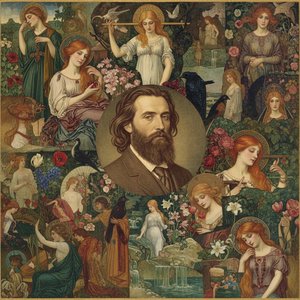
Dante Gabriel Rossetti: Cele Mai Frumoase 25 de Capodopere – Artă, Decorațiuni și Inspirație
Descoperă cele mai frumoase 25 de picturi ale lui Dante Gabriel Rossetti! Explorează arta prerafaelită, simbolismul romantic și portretele feminine iconice. Reproduceri artă de calitate muzeală & inspirație decorativă pe AllPaintingsStore.com.





