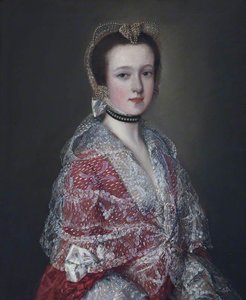
Tinerețea, Familia și Formarea Artistică
În liniștea orașului de piață Sudbury, din Regatul Unit, povestea lui Thomas Gainsborough a început pe data de 14 mai 1727. El a fost cel mai tânăr fiu al lui John Gainsborough, un om care își câștiga viața ca țesător și negustor de lână. În timp ce tradiția familiei impunea o anumită rigoare a preciziei, tânărul Thomas s-a simțit atras spre o altă formă de creație. Încă de la o vârstă uimitoare, el a manifestat o sensibilitate artistică înnăscută, care părea să îl cheme din interior. El nu se limita doar la a observa lumea din jurul său; simțea o nevoie profundă și efervescentă de a o captura prin desen și pictură.
Această inclinație naturală nu a rămas doar un simplu hobby de copilărie pentru mult timp. La vârsta de treizeci și trei de ani, atracția capitalei a devenit prea puternică pentru a fi ignorată, iar în anul 1740, el a părăsit familiaritatea orașului Suffolk pentru străzile aglomerate ale Londrei. Tocmai acolo a căutat rigoarea unei instruiri formale, studiind în cele din urmă sub îndrumarea pictorului francez Hubert-François Gravelot. Această perioadă de instruire i-a oferit fundamentul tehnic necesar pentru a transforma talentul brut într-o măiestrie disciplinată. Eleganța stilului francez se va împletea, în cele din urmă, cu propria sa viziune în dezvoltare, ajutându-l să treacă de la schițele simple ale tinereții către o stăpânire mult mai sofisticată a mediului său de lucru.
Anii de Formare în Ipswich și Bath
După ce a părăsit confortul familier al casei din copilărie, Thomas Gainsborough s-a mutat la Ipswich după anul 1748. Tocmai în acei ani, reputația sa a început să se extindă dincolo de cercul local de tineri, transformându-l dintr-un simplu tânăr cu un talent înnăscut pentru schițe într-un profesionist care își găsea locul printre negustorii și proprietarii de terenuri din regiune. Această perioadă de tranziție i-a permis să își rafineze capacitatea de a surprinde esența și caracterul modelelor sale, o abilitate care avea să devină pilonul central al întregii sale cariere.
În anul 1759, o schimbare majoră a avut loc odată cu mutarea sa la Bath. S-a stabilit la numărul 17 The Circus, o locație care l-a plasat chiar în inima unei societăți aglomerate și la modă. Orașul era un magnet pentru persoanele bogate și influente, iar Thomas Gainsborough s-a dovedit capabil să atragă acești clienți de rang înalt. Prezența sa în Bath i-a oferit posibilitatea de a interacționa în cercuri care cereau atât eleganță, cât și un anumit statut social, împingându-i arta spre gusturile sofisticate ale epocii. Astfel, a început să echilibreze cerințele portretelor comandate cu devotamentul său personal pentru peisaj, o dualitate care i-a definit viața profesională în acest oraș.
- Portrait of a Woman, Possibly of the Lloyd Family (c.1750)
- The Gravenor Family (1752)
Anii Londonezi și Mecenații Regali
Până în anul 1774, atracția capitalei a devenit prea puternică pentru a fi ignorată, iar Thomas Gainsborough s-a mutat la Londra în căutarea succesului suprem. Și-a stabilit atelierul pe Pall Mall, o locație care l-a plasat chiar în inima vieții sociale și artistice a orașului. Tocmai în această perioadă, el a contribuit la modelarea viitorului artei britanice, devenind membru fondator al Academiei Regale. Prezența sa în metropolă a asigurat faptul că numele său era rostit pe același nivel cu cele mai influente figuri ale epocii.
Succesul obținut în capitală l-a introdus în cercul de influență al puterii. A devenit pictorul preferat al regelui George al III-lea și al familiei regale, asigurându-și un nivel de protecnat pe care puțini alți artiști l-au putut pretinde. Această legătură cu tronul i-a oferit un flux constant de comenzi prestigioase, permițându-i să își rafineze capacitatea de a surprinde demnitatea și statutul înaltelor straturi ale societății. Chiar și în mijlocul complexităților scenei artistice londeneze, preferința sa pentru liniștea câmpiei a rămas o constantă, deși acum picta pentru cei mai puternici oameni din regat.
- Mrs. Thomas Gainsborough, născută Margaret Burr (1778)
- Regina Charlotte (fără dată)
Tehnică și Stil Artistic
Pinsula lui se mișca cu o anumită energie neliniștită pe suprafața pânzelor, preferând brushstroke-uri rapide, care sugerau forma în loc să o definească cu o rigoare laborioasă. A ales o paletă luminoasă, căsătorind adesea tonuri moi cu nuanțe de maro profunde și ancoratoare, pentru a crea un sentiment de naturalism organic. Această abordare îi conferă lucrărilor o fluiditate remarcabilă, de parcă pictura însăși ar fi în continuă mișcare. Thomas Gainsborough nu căuta doar să înregistreze un chip, ci să surprindă jocul subtil dintre emoția umană și splendoarea lumii naturale. În mâinile sale, modelul și mediul înconjurător nu erau niciodată entități cu totul separate.
Această conexiune devenea cel mai evident prin obiceiul său de a integra armonios peisajele în portretele sale. Își plasea subiectele în aerul vast și deschis al câmpiei englezești, permițând atmosferei cerului și texturii copacilor să modeleze caracterul persoanei depuse pe pânză. Această metodă i-a permis să parcurgă distanța dintre cerințele formale ale portretului și pasiunea sa profundă pentru peisaj. Opera sa se sprijina adesea pe diafanitatea brushstroke-urilor sale, utilizând mărturi simplificate pentru a sugera textura delicată a mătăsii sau lumina trecătoare care mângâie un câmp.
- The Blue Boy (aprox. 1770)
- Mr and Mrs Andrews (aprox. 1750)
- Mrs. Sarah Siddons (1785)
Opere Cheie și Capodopere
Pă তুল lui Thomas Gainsborough căuta adesea să îmbine demnitatea celui portretizat cu viața luxuriantă a pământului. În pictură Mr and Mrs Andrews, el a făcut mai mult decât a surprinde un cuplu; a depus pe pânză peisajul însuși pe care proprietarii îl dețineau, ancorând statutul lor social în însăși țărâna. Această legătură profundă dintre om și loc a devenit o temă recurentă pe măsură ce artistul pășea prin cercul nobilii proprietari de pământ. Chiar și studiile sale mai intime, precum portretul Mrs. Sarah Siddons, pictat în 1785, emană un simț al caracterului și al personalității care transcend simpla reprezentare vizuală.
Există opere care par să posede o viață proprie, existând dincolo de cadrul unei galerii tradiționale. The Blue Boy, o pictură în ulei pe pânză, este considerată a fi un portret al lui Jonathan Buttall, însă a dobândit o prezență care îi depășește scopul original. Este o operă care persistă în mintea privitorului mult timp după ce acesta a plecat. Chiar și o piesă precum The Gravenor Family a găsit o viață de după moarte neașteptată, fiind tăiată și lipită în copertă pentru o carte din 1983.
- The Blue Boy
- Mr and Mrs Andrews
- Mrs. Sarah Siddons
- The Gravenor Family
Unde pot fi admirate astăzi operele sale
Posedarea prin încăperile casei Gainsborough’s House din Sudbury înseamnă, de fapt, o călătorie în mediul care i-a hrănit viziunea incipientă. Acest muzeu-casă păstrează atmosfera copilăriei sale, oferind o legătură tangibilă cu peisajul din Suffolk, care a apărut atât de des în picturile sale. Rămâne un loc liniștit, unde ritmurile anilor de formare se mai pot simți între pereții locului nașterii sale.
Moștenirea stilului său pictural călătorește mult dincolo de granițele Suffolk-ului. În Ipswich, Christchurch Mansion găzduiește o colecție semnificativă de picturi ale sale, plasând portretele sale rafinate alături de operele altor mari maeștri. Pentru cei care doresc să întâlnească cele mai celebre realizări ale sale, National Gallery din Londra oferă un spațiu pentru a descoperi personal măiestria sa. Influența sa se extinde peste Atlantic, până la Metropolitan Museum of Art din New York, unde pânzele sale continuă să fie păstrate și admirate de cei aflați departe de peisajele campinei englezești.
- The Blue Boy (aprox. 1770)
- Mr and Mrs Andrews (aprox. 1750)
- Mrs. Thomas Gainsborough, née Margaret Burr (1778)
Întrebări și răspunsuri
Din ce epocă face parte Thomas Gainsborough?
Thomas Gainsborough a activat în perioada Epoca modernă timpurie. Această perioadă situează activitatea artistului în context istoric.
Pot explora operele lui Thomas Gainsborough pe baza unor cuvinte cheie?
Pagina După cuvinte cheie a lui Thomas Gainsborough grupează operele de artă ale artistului în funcție de cuvintele cheie.
Unde pot fi găsite operele lui Thomas Gainsborough, grupate pe mișcări artistice?
Pagina Toate mișcările de artă grupează operele lui Thomas Gainsborough pe mișcări artistice.