Viața și Identitatea lui Simone Martini
Născut la Siena, Italia, în jurul anului 1284, Simone Martini a trăit o viață care a reflectat fluxurile schimbătoare ale epocii sale. Cunoscut și sub numele de Simone di Martino, acesta a fost o figură centrală în dezvoltarea picturii italiene timpurii. Prezența sa în lumea artei a fost simțită de la inima Toscanei până la curțile papale din Franța, marcându-l ca pe un om a cărui influență s-a întins mult dincolo de locul nașterii. A fost un pictor care a înțeles limbajul timpului său, navigând prin centrele religioase și civice ale Europei cu o mână sigură și plină de scop.
Identitatea sa a fost profund legată de orașul Siena, un loc al comerțului și al unei devotioane profunde. Acest mediu a ajutat la modelarea unui om capabil să navigheze atât în sfera cernică a unei biserici, cât și în gusturile sofisticate ale unei curți regale. Nu a fost o figură solitară care lucra în izolare; viața sa a fost împletită în țesătura socială și intelectuală a secolului al paisprezecelea. Conexiunile sale au ajuns chiar până la celebrul poet Petrarca, sugerând o existență petrecută printre gânditorii și liderii epocii.
Amploarea vieții sale poate fi înțeleasă prin diversele orașe în care și-a lăsat amprenta, printre care:
- Siena, Italia
- Napoli, Italia
- Orvieto, Italia
- Assisi, Italia
- Avignon, Franța
Viața timpurie, familia și formarea artistică
Născut în Siena, Italia, în jurul anului 1284, Simone Martini a crescut într-un oraș în care arta era limbajul atât al credinței, cât și al mândriei civice. Deși detaliile exacte ale copilăriei sale rămân parțial ascunse de trecerea timpului, par că drumul său spre universul picturii a fost ghidat de mâinile maeștrilor. Este foarte probabil să fi fost ucenicul lui Duccio di Buoninsegna, cel mai important artist al Sienei, a cărui influență a ajutat la modelarea sensibilităților timpurii ale tânărului care, în cele din urmă, va redefini stilul sienezesc.
Legăturile de familie au jucat un rol semnificativ în viața sa și în cercul său profesional. Frate al lui Donato, legăturile sale sociale și artistice au fost întărite și mai mult prin căsătoria sa. În anul 1324, acesta a căsătorit-o pe Giovanna, fiica lui Memmo di Filippuccio. Această unire l-a introdus într-o rețea strânsă de creatori, având în familie pe artistul Lippo Memmi, care îi era cumnat. Aceste relații probabil au oferit mai mult decât simplă companie; ele au oferit un limbaj tehnic comun și un spirit colaborativ ce va caracteriza o mare parte din activitatea artistică din Siena în această eră.
Activitatea artistică în Siena și Toscana
Până în anul 1315, Simone Martini își lăsase deja amprenta asupra vieții civice din Siena. În acel an, el a pictat fresca Maestà pentru Palazzo Pubblico, sediul guvernului orașului. Această operă l-a plasat în centrul vieții publice sienese, lucrând în sălile unde se adunau liderii orașului. Prezența sa în regiune a crescut constant pe măsură ce se deplasa între oraș și teritoriile din jurul acestuia, stabilind o reputație care, în scurt timp, îl va purta mult dincolo de zidurile Sirenei.
Mâinile sale au fost ocupate de diverse comenzi pe parcursul deceniului următor. În 1319, el a finalizat Polipticul Sfânta Ecaterina de Alexandria Polyptych la Pisa. Pe măsură ce cariera sa avansa, influența sa s-a extins asupra altor orașe toscane, inclusiv Orvieto, unde a fost activ în 1320. Acești ani au reprezentat o perioadă de mișcare constantă și de producție neîntreruptă, pe măsură ce navighează printre nevoile diferiților patroni religioși și civici de-a lungul peisajului italian.
Opera pe care a produs-o în această perioadă reflecta o familiaritate tot mai mare cu cerințele specifice ale patronilor săi. În jurul anului 1324, a primit comanda de a picta Lăstarul Blessed Agostino Novello Altarpiece. Această etapă a vieții sale a fost definită de acest ritm constant de călătorie și creație, pe măsură ce străbate dealurile și văile Toscanei, lăsând în urmă o cale de suprafețe pictate care documentează prezența sa în întreaga regiune.
Patronaj, Atelier și Comenzi
Calea artistică a lui Simone Martini a fost modelată de mutarea centrelor de putere din Italia și Franța. În primii săi ani, acesta a colaborat strâns cu Guvernul celor Noui din Siena, decorând sălile Palazzo Pubblico. Această legătură civică i-a oferit o bază solidă pentru reputația sa în continuă expansiune. Ulterior, influența sa a ajuns până la curțile regale, așa cum s-a întâmplat atunci când a fost solicitat de Casa Angevinei în Napoli, în anul 1317. Aceste roluri timpurii i-au permis să navigheze între sfera religioasă și cea politică, găsind comenzi care cereau atât profunzime spirituală, cât și o anumită grație curtenesească.
Renumele său pentru eleganță l-a condus, în cele din urmă, către cele mai înalte niveluri de patronaj din Europa. În 1336, a acceptat o comandă de o importanță majoră din partea Papei Benedict al XII-lea. Această numire l-a dus la Avignon, unde a fost însărcinat cu crearea unor fresce pentru Palatul Papal. Trăind în inima curții papale, el a făcut parte dintr-un cerc intelectual de elită, care îl includea pe celebrul poet Petrarca. Această perioadă a vieții sale a fost marcată de o tranziție estetică, de la tradițiile locale ale Toscanei către gusturile sofisticate și internaționale ale curții franceze.
- Sfântul Ludovic de Toulouse încoronându-și fratele Robert de Anjou, 1317
- Maestà, 1315
Stilul și Tehnica Artistică
Simone Martini a pictat cu o sensibilitate delicată, preferând grația în detrimentul formelor grele și monumentale întâlnite în Florența de la acea vreme. A fost un adevărat arhitect al eleganței, concentrându-se pe modul în care linia poate curge pe suprafața unei compoziții pentru a crea o senzație de mișcare fluidă. Piese sale picturale sunt adesea caracterizate de figuri alungite și detalii decorative moi, elemente care îi conferă lucrărilor sale un rafinament curtenesc remarcabil. Această estetică a fost modelată de sosirea influențelor franceze prin intermediul Via Francigena, în special prin modelele complexe întâlnite în iluminarea manuscriselor și texturile fine ale sculpturii în fildeș. El nu s-a limitat la a adopta aceste stiluri străine; dimpotrivă, le-a împletit cu tradițiile sienesci pentru a crea un limbaj vizual care părea simultan sofisticat și profund spiritual.
Pentru a obține calitatea luminoasă a culorilor sale, Martini a apelat la tehnica temperei. Folosind gălbenușul de ou ca liant pentru pigmenți, a reușit să stăpânească o metodă ce permitea o execuție minuțioasă, cu pensulă fină, și o claritate durabilă în timp. Această precizie tehnică era esențială pentru ornamentarea complicată pe care o prefera. În picturile sale, interacțiunea dintre lumină și culoare era utilizată pentru a transmite emoție prin schimbări subtile de postură și gest, mai degrabă decât prin dimensiuni dramatice. Capacitatea sa de a echilibra aceste elemente decorative cu un simț al clarității narative i-a permis să depingte scene religioase complexe cu o intensitate poetică, liniștită și captivantă.
Anunțarea cu Sfânta Margareta și Sfântul Ansanus, 1333 — The Annunciation with St. Margaret and St. Ansanus
Sfântul Ludovic de Toulouse încoronându-și fratele Robert de Anjou, 1317
Maestà, 1315
Lucrări Cheie și Capodopere
Mâinile lui Simone Martini au fost mereu în mișcare pe parcursul călătoriilor sale, lăsând în urmă opere care reflectă nevoile schimbătoare ale patronilor săi. În anul 1317, el a lucrat la Altarul Sfântului Ludovic de Toulouse, o piesă care îl însoțește pe sfânt pe fratele său, Robert de Anjou. Această lucrare, păstrată astăzi în Museo Nazionale di Capodimonte din Napoli, surprinde un moment de conexiune familială și spirituală profundă. Abilitatea sa de a gestiona narațiuni complexe este evidentă în Polipticul Sfântei Ecaterina de Alexandria, realizat în 1319.
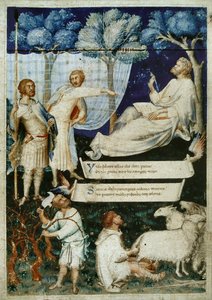
Pe măsură ce reputația sa creștea, atât amploarea, cât și intimitatea subiectelor sale evoluau odată cu ea. În 1333, a pictat Anunțarea cu Sfânta Margareta și Sfântul Ansanus, o operă găzuită în prezent de Galleria degli Uffizi din Florența. Această piesă demonstrează capacitatea sa de a echilibra devotamentul religios cu un sentiment de grație curtenesească. Chiar și în ultimii ani, pensula sa a rămas neclintită. În 1342, a finalizat Hristos descoperit în Templu, o pictură ce poate fi admirată în Walker Art Gallery din Liverpool.
- Sfântul Ludovic de Toulouse încoronându-și fratele Robert de Anjou, 1317
- Polipticul Sfântei Ecatherine de Alexandria, 1319
- Anunțarea cu Sfânta Margareta și Sfântul Ansanus, 1333
- Hristos descoperit în Templu, 1342
Anii de la sfârșit și moștenirea sa
Anii de la sfârșit ai vieții lui Simone Martini au fost marcați de o schimbare semnificativă atât în geografia sa, cât și în cercurile sociale în care a activat. În jurul anului 1334 sau 1335, artistul a părăsit peisajele familiare ale Toscanei pentru a se muta la Avignon, în Franța. Această tranziție l-a plasat în inima puterii europene, unde a colaborat strâns cu curtea papală. Prezența sa la Avignon i-a permis să se integreze în cercuri intelectuale de înalt nivel, consolidând o prietenie cu poetul umanist Petrarca. Această legătură profundă dintre arte vizuale și umanismul emergent al epocii a constituit un element definitoriu al perioadei sale petrecute în Franța.
În timp ce se afla la Avignon, creația sa a continuat să reflecte gusturile sofisticate ale patronilor săi. Unele relatări sugerează că ar fi pictat chiar un portret al Laurei de Noves, femeia care i-a servit drept muză pe parcursul întregii vieți lui Petrarca, deși această lucrare specifică a fost pierdută în calea istoriei. Perioada sa de la curtea franceză a fost una de implicare culturală de cel mai înalt nivel, fiind departe de viața provincială a primilor sale ani de ucenicie. Simone Martini a rămas activ în acest mediu cosmopolit până la moartea sa, survenită în iulie 1344. Artistul a trecut în neîntunecat la Avignon, lăsând în urmă o operă care începuse deja să îmbine tradițiile europene diverse, creând un pod estetic între diverse culturi.
Moștenirea și influența atemporală
Simone Martini a contribuit esențial la comosirea prăpastiei dintre era medievală și Renaștere. Prezența sa în lumea artei a semnalat o schimbare de paradigmă către o nouă modalitate de a percepe realitatea, îndepărtându-se de formele grele și monumentale ale trecutului. Prin faptul că a transportat stilul sienez, dincolo de munți, a ajutat pictura din Siena să pătrundă în teritoriul francez, permițând esteticii sale specifice să prindă rădăcini în pământuri noi. Acest curent a facilitat răspândirea stilului Gotic Internațional pe tot cuprinsul Europei, influențând modul în care artiștii de pe întregul continent abordau linia și ornamentul.
Răspândirea operelor sale a depășit cu mult durata propriei sale vieți. Generații întregi de artiști au urmat cărările pe care el le-a deschis, adoptând grația și detaliul rafinat care îi caracterizau mâna. Capacitatea sa de a împletește dimensiunea spirituală cu o anumită eleganță curtenesească a lăsat o amprentă profundă asupra dezvoltării picturii europene. Chiar și atunci când stilurile s-au schimbat, modul în care a utilizat culoarea și silueta a rămas un punct de referință pentru cei care au urmat.
- Saint Louis of Toulouse Crowning His Brother Robert of Anjou, 1317
- Annunciation with St. Margaret and St. Ansanus, 1333
- Christ Discovered in the Temple, 1342
Unde putem descoperi astăzi opere sale
Pentru a întâlni prezența fizică a artei create de Simone Martini, este nevoie de o călătorie prin peisajele Italiei și dincolo de acestea. În Siena, Palazzo Pubblico adăpostește fresca Maestà, o operă care ocupă spațiul său sacru încă din anul 1315. Vizualizarea acesteia în sediul guvernului orașului oferă o perspectivă asupra dimensiunii și importanței civice pe care picturile sale le-au avut în trecut. În Napoli, Museo di Capodimonte păstrează Altarul Sfântului Ludovic de Toulouse, o piesă care reflectă capacitatea artistului de a gestiona narațiuni religioase complexe prin forța culorii și a formei.
Amprenta sa artistică s-a întins mult dincolo de granițele Toscanei. La Florența, Galleria degli Uffizi găzduiește pictura Anunțarea cu Sfânta Margareta și Sfântul Ansanus, realizată în 1333. Această lucrare oferă o privire asupra liniilor delicate și fluide care i-au definit abordarea în anii de maximă activitate. Pentru cei care călătoresc spre Regatul Unit, Walker Art Gallery din Liverpool adăpostește Hristos descoperit în Templu, o operă din 1342 care demonstrează măiestria sa chiar și în ultimii ani ai vieții.
Iată câteva dintre capodoperele sale și locul unde acestea pot fi admirate:


 Vezi mai mult


 Comută pe versiunea Print


 Pentru opere de artă sau reproduceri care depășesc 105 cm (aproximativ 41 de inch) pe oricare dintre laturi, cadrul va fi livrat demontat, sub formă de kit. Această metodă asigură o livrare sigură și previne deteriorarea în timpul transportului.


