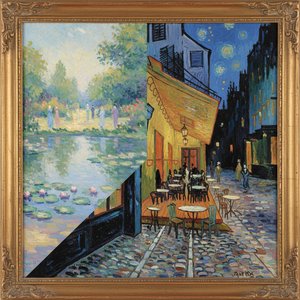
1917. Oil On Canvas. Muzeul Războiului Imperial.

§ 1Date catalog


§ 2Abstract
Descriere obiect de colecție
Sir John Lavery's 'Leith' captures the bustling wartime harbor scene with muted colors and atmospheric brushstrokes, reflecting industrial activity & somber mood.
 Vezi mai mult
Biografie artist
Sir John Lavery (1856-1941): Pictor irlandez celebru pentru portrete elegante, scene sociale și opere de război. Influențat de Whistler, un simbol al artei britanice.
§ 3Comentariu
A Glimpse of Wartime Leith: Sir John Lavery’s Atmospheric Depiction
Sir John Lavery's "Leith," painted in 1917, is more than just a harbor scene; it’s a poignant snapshot of Britain during the tumultuous years of World War I. This oil-on-canvas work captures not only the bustling industrial activity of the port city but also an underlying sense of somberness and resilience – a feeling deeply embedded within the artwork's muted palette, atmospheric haze, and carefully constructed composition. Lavery, already a celebrated portraitist known for his ability to capture the spirit of Edwardian society, skillfully shifted his focus to document this pivotal moment in British history, offering us a rare glimpse into the realities faced by communities like Leith as they supported the war effort.
Composition and Technique: Impressionistic Layers
The painting’s composition immediately draws the eye towards the expansive water surface, occupying nearly two-thirds of the frame. This dominant element isn't merely decorative; it establishes a sense of depth and movement, mirroring the ceaseless activity within Leith’s harbor. A carefully arranged series of ships – both large vessels and smaller boats – anchors the middle ground, creating a visual pathway that guides the viewer through the scene. The foreground is grounded by machinery and docks, providing a tangible connection to the industrial heart of the port. Lavery's technique is distinctly Impressionistic; he employs loose brushstrokes, layering colors with remarkable subtlety to create soft transitions and an overall atmospheric effect. Visible impasto in certain areas – particularly within the foreground – adds texture and dynamism, hinting at the physicality of the scene while maintaining a sense of ethereal beauty.
Color, Light, and Symbolism: A Palette of Resilience
The color palette is predominantly cool and muted—grays, blues, and greens dominate, reflecting the overcast skies typical of the era. These somber tones are punctuated by warmer hues in the hulls of the ships and within the foreground machinery, offering subtle points of visual interest and a hint of warmth amidst the prevailing gloom. Lavery masterfully uses light to evoke mood; the diffused illumination suggests a perpetual twilight, mirroring the anxieties and uncertainties of wartime. The high horizon line further enhances this sense of depth and distance, emphasizing the vastness of the water and sky. Beyond its aesthetic qualities, "Leith" subtly symbolizes the nation’s commitment to industry and defense – the ships represent naval power, while the machinery signifies the vital role of Leith in supplying the war effort. The overall effect is one of quiet determination.
Historical Context and Artistic Legacy
Painted during 1917, “Leith” offers a valuable window into Britain’s wartime experience. Sir John Lavery's official war artist status meant he was tasked with documenting various aspects of the conflict, from naval operations to industrial production. This painting reflects his broader efforts to capture the spirit of the times – a period marked by both hardship and unwavering resolve. Lavery’s work during this era is particularly significant as it demonstrates his ability to move beyond traditional portraiture and engage with contemporary social issues. His artistic style, influenced by Whistler and rooted in Scottish Impressionism, allowed him to convey complex emotions and ideas through subtle color choices and atmospheric effects. Reproductions of “Leith” provide a tangible connection to this pivotal moment in British history, allowing us to appreciate Lavery’s skill as both an artist and a keen observer of his time.
Întrebări și răspunsuri
Cum poate fi integrată "Leith" de John Lavery în decorul casei?
„Leith” este recomandat pentru Statement, iar spațiul ideal de expunere este o Living Room.
Cum echilibrează "Leith" lumina și întunericul?
"Leith" are brilliant în întregime, iar luminozitatea sa este Bright Balance.
Cât de luminoasă este, în ansamblu, lucrarea "Leith"?
Luminozitatea percepută a operei "Leith" de John Lavery este brilliant. Aceasta poate fi adaptată la lumina spațiului în care va fi expusă.


 Comută pe versiunea Print


 Pentru opere de artă sau reproduceri care depășesc 105 cm (aproximativ 41 de inch) pe oricare dintre laturi, cadrul va fi livrat demontat, sub formă de kit. Această metodă asigură o livrare sigură și previne deteriorarea în timpul transportului.