


 Vezi în context
 Trimite
 Distribuie
 Detalii
 Guide
Guide

 Descarcă
 Produse similare
 Radiografie
 Diaporama
 Statistici
Montagu Edmund Parker of Whiteway


 Citește mai mult
Reproducere pictată manual în ulei
Pictură în ulei pe pânză, realizată manual de artiștii noștri la dimensiunea și ramele dorite de dumneavoastră, pe comandă. ( Comută pe versiunea Print Treci la imagine digitală)




P118B $10

P118H $10

P118W $10

P438Z $10

P508JH $12

P508YH $12

P805H $10

P805Z $10

P919BZ $10

P919G $10

P919XJ $10

P959ZH $10

P968JZ $12

W106C $8

W218G $10

W218JH $8

W218Y $10

W307PJ $10

W316G $10

W316PJ $8

W316Y $10

W398PJ $8

W4111J $10

W500HY $15

W500JH $15

W692G $12

W849H $8

W940BG $15

W953PJ $8




Alegeți dintre dimensiunile noastre prestabilite, care respectă proporțiile originale ale operei de artă.

Puteți introduce propriile dimensiuni pentru a se potrivi unui anumit cadru sau spațiu. Dacă dimensiunea selectată nu corespunde proporțiilor imaginii originale, vom decupa opera de artă sau vom extinde pictura cu elemente suplimentare pictate manual. O simulare digitală vă va fi trimisă pentru aprobare înainte de începerea producției.
Vă rugăm să rețineți că previzualizarea de pe ecran nu reflectă decuparea sau extinderea reală. Doar macheta va arăta cu exactitate compoziția finală.
Deși sunt disponibile dimensiuni personalizate, vă recomandăm să selectați o dimensiune din lista predefinită pentru a păstra proporțiile originale.
După plasarea comenzii, echipa AllPaintingsStore.com va contacta clientul prin e-mail pentru instrucțiuni și îi va furniza o previzualizare a machetei
Livrare în întreaga lume () în 3-4 săptămâni, în loc de cele 5 săptămâni standard. (21 Septembrie). Fără compromisuri în ceea ce privește calitatea.

Livrare expres gratuită la nivel mondial

Pânză de in premium

Asigurare completă pentru transport

Garanție de rambursare a taxelor vamale

Garanția fidelității culorilor

Politica de retur în 100 de zile (doar pentru defecte)

Garanție de rambursare 100%

Reducere pentru comenzi multiple
 Opțiunea cu sticlă este disponibilă doar pentru dimensiuni de sub 110 cm

Montagu Edmund Parker of Whiteway
Tip de reproducere
Dimensiune reproducere
-


Preț total
$ 258
The Gaze and the Grand Style: Sir Joshua Reynolds’s Portrait of Montagu Edmund Parker
Sir Joshua Reynolds's portrait of Montagu Edmund Parker, painted in 1768, is more than a simple likeness; it’s a meticulously constructed tableau vivant – a snapshot of aristocratic life during the height of the Enlightenment. The painting immediately commands attention with its formal composition and the sitter’s direct, unwavering gaze. Parker, dressed in the rich blue uniform indicative of his military service and adorned with the subtle crimson trim of a gentleman's attire, stands before a wall bearing another painted scene, creating an intriguing dialogue between the present moment and a carefully curated past. The inclusion of two swords – one on either side of the frame – speaks to Parker’s status as a man of action, a soldier, and a member of the landed gentry, while the book nestled near his feet suggests intellectual pursuits and a cultivated mind.
- Subject & Context: The portrait depicts Montagu Edmund Parker (1737-1813), a prominent figure in Devon society. His lineage traced back to the influential Parker family, known for their involvement in local governance and land ownership. The painting offers a rare glimpse into the world of a landed gentleman during a period of significant social and political change.
- Style & Technique: Reynolds’s masterful use of the “Grand Style” is evident throughout. He eschews mere representation, instead employing idealized forms, carefully balanced compositions, and subtle gradations of light and shadow to create an atmosphere of dignified composure. The meticulous attention to detail – from the texture of Parker's uniform to the reflection in his spectacles – demonstrates Reynolds’s technical prowess.
The Language of Portraiture: Symbolism and Social Significance
Beyond its aesthetic qualities, the portrait is laden with symbolic meaning. The positioning of Parker before the painted scene suggests a contemplation of history and tradition, reflecting the importance placed on lineage and legacy within aristocratic circles. His direct gaze, unwavering and slightly challenging, invites the viewer to engage in a silent dialogue – a subtle assertion of status and self-assuredness. The inclusion of the swords isn’t merely decorative; they represent Parker's military service and his role as a protector of order and authority. Even the book, open on the floor, hints at intellectualism and a commitment to learning—a valued trait in an educated gentleman.
The choice of blue for Parker’s uniform is particularly noteworthy. Blue was associated with loyalty, virtue, and trustworthiness – qualities highly prized in a military officer and a member of the landed gentry.A Window into the Age: Reynolds and the Enlightenment
Sir Joshua Reynolds himself was a pivotal figure during the Enlightenment, championing a new approach to art that emphasized naturalism, clarity, and moral instruction. His portraiture served as a vehicle for promoting these ideals, presenting subjects in an idealized light while subtly reinforcing social hierarchies. The painting reflects Reynolds’s belief that art should not only be beautiful but also instructive – offering viewers a glimpse into the values and aspirations of the elite classes. The work is deeply rooted in the artistic and philosophical currents of the 18th century, embodying the spirit of reason, order, and classical ideals that characterized the era.
The Enduring Appeal: A Masterpiece for Today
Montagu Edmund Parker’s portrait remains a compelling work of art due to its masterful execution, rich symbolism, and enduring relevance. It offers a captivating glimpse into a bygone era, inviting us to contemplate the complexities of social status, military service, and intellectual pursuits. Reproductions of this iconic painting continue to resonate with collectors and interior designers alike, providing a touch of elegance, historical depth, and timeless sophistication to any space.
Opere similare


Biografie artist
A Luminary of the Enlightenment: The Life and Art of Sir Joshua Reynolds
Born in 1723 in the quaint Devonshire town of Plympton, Sir Joshua Reynolds emerged as a pivotal figure during a period of immense cultural transformation in Britain. His father, Reverend Samuel Reynolds, instilled in him a love for learning and intellectual pursuits, initially steering young Joshua towards a scholarly path. However, an undeniable artistic inclination soon surfaced, leading to his apprenticeship with Thomas Hudson in London at the age of seventeen. This formative experience provided Reynolds with a solid foundation in portraiture—a genre that would define his illustrious career. Hudson’s studio was a bustling hub of fashionable society, exposing Reynolds to the demands and expectations of aristocratic patrons, shaping not only his technique but also his understanding of the social landscape he would come to depict so masterfully. It wasn't merely about capturing likeness; it was about constructing an image that reflected status, taste, and aspiration.Forging a ‘Grand Style’ for British Portraiture
Reynolds didn’t simply replicate what he learned from Hudson. He embarked on a journey of artistic exploration, fueled by a deep admiration for the Old Masters—particularly Raphael, Michelangelo, and Titian. A pivotal moment in his development was a sojourn to Rome in 1750, where he immersed himself in classical art and absorbed the principles of the ‘Grand Style’ – an approach that prioritized idealized beauty, dramatic composition, and historical or mythological allusions. Upon returning to England, Reynolds sought to elevate British portraiture beyond mere representation, infusing it with a sense of dignity and intellectual weight previously unseen. He believed that portraits should not just record physical appearances but also reveal the sitter's character and social standing. This ambition led him to incorporate elements of history painting into his work, often depicting his subjects in elaborate costumes or staged settings reminiscent of classical narratives. He wasn’t merely painting *people*; he was crafting enduring images of power, intellect, and refinement. Reynolds meticulously studied the works of Rembrandt, Rubens, and Van Dyck, absorbing their techniques for light, shadow, and capturing psychological depth. He sought to emulate their ability to imbue portraits with a sense of life and personality, moving beyond simple likenesses to create compelling narratives about his subjects’ inner lives.The First President and Champion of the Royal Academy
Reynolds' influence extended far beyond his own canvas. In 1768, he became a founding member of the Royal Academy of Arts, and crucially, its first president—a position he held until his death in 1792. This was a watershed moment for British art, establishing an institution dedicated to fostering artistic talent and promoting national identity. Reynolds tirelessly advocated for the importance of art education and championed the recognition of artists as professionals deserving of respect and patronage. His annual Discourses – lectures delivered to Academy students – became seminal texts on artistic theory and practice, outlining his vision for a distinctly British school of painting. He stressed the importance of studying nature, mastering technique, and cultivating imagination, urging artists to strive for originality while remaining grounded in tradition. Reynolds’ leadership transformed the landscape of British art, elevating its status and laying the foundation for future generations of artistic innovation. He understood that the role of the artist was not simply to imitate reality but to interpret it—to capture the essence of a subject's character and convey their significance within a broader cultural context.Capturing an Era: Notable Works and Enduring Legacy
Reynolds’ prolific output encompassed portraits of some of the most prominent figures of 18th-century Britain—members of the aristocracy, literary luminaries, and military heroes. His portrait of Duke of Devonshire, for example, exudes an air of aristocratic power and sophistication, while his depiction of Peter Darnell Muilman, Charles Crokatt and William Keable in a Landscape showcases his ability to integrate figures seamlessly into natural settings. Mr and Mrs William Lindow is another compelling example of his skill in capturing the intimacy and social dynamics of family life. Beyond individual portraits, Reynolds also excelled at group compositions, skillfully arranging multiple figures within a single frame to create dynamic and engaging narratives. His work wasn’t simply about technical proficiency; it was about storytelling—about conveying the essence of an era through carefully constructed images. Reynolds' paintings are characterized by their masterful use of light and shadow, creating a sense of depth and drama that draws the viewer into the scene. He paid meticulous attention to detail, capturing the textures of fabrics, the gleam of jewels, and the subtle nuances of expression on his subjects’ faces.A Lasting Impact
Sir Joshua Reynolds' legacy extends far beyond his individual works. He fundamentally reshaped British portraiture, establishing it as a respected and prestigious art form. His emphasis on the ‘Grand Style’ influenced countless artists who followed in his footsteps, shaping the course of British painting for generations to come. His leadership of the Royal Academy helped establish a vibrant artistic community and fostered a culture of innovation and experimentation. Even today, Reynolds' paintings continue to be admired for their beauty, elegance, and historical significance—a testament to the enduring power of his vision and artistry. His influence can still be seen in contemporary portraiture, demonstrating the lasting impact of this pivotal figure in British art history.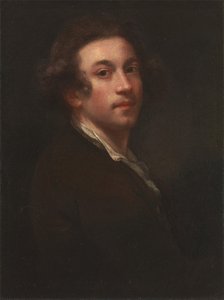
Sir Joshua Reynolds
1723 - 1792 , Regatul Marii Britanii
Informații rapide
- Artistic Movement Or Style: Grand Style
- Artists Or Movements Influenced By This Artist:
- Titian
- Michelangelo
- Artists Who Influenced This Artist: ['Thomas Hudson']
- Date Of Birth: 1723
- Date Of Death: 1792
- Full Name: Sir Joshua Reynolds
- Nationality: British
- Notable Artworks:
- Peter Darnell...
- Mr & Mrs Lindow
- Port. John Hayes
- Place Of Birth: Plymouth, UK
Articole conexe

Mastering the Light: An Art Historian's Guide to the Grand Style of Sir Joshua Reynolds
Explore the luminous legacy of Sir Joshua Reynolds. Discover how the master of the 'Grand Style' used dramatic light and classical elegance to define 18th-century British portraiture in this expert art history guide for collectors and enthusiasts.

Sir Joshua Reynolds: Shaping British Art Through Grand Style & Societal Portraiture
Explore the life & work of Sir Joshua Reynolds, a master of British portraiture and founder of the Royal Academy. Discover his 'Grand Style,' techniques, and lasting influence on art history. Learn more at AllPaintingsStore.
Sir Joshua Reynolds: Cele Mai Remarcabile 25 de Capodopere – Artă Clasică pentru Decorul Tău
Descoperă cele mai frumoase 25 de picturi ale lui Sir Joshua Reynolds! Portrete clasice, stil neoclasic și capodopere romantice. Găsește inspirație pentru decorul tău și achiziționează reproduceri de artă de calitate muzeală pe AllPaintingsStore.com.
Thomas Hudson: A Study in 18th-Century Portraiture & British Artistic Identity
Explore the life & work of Thomas Hudson, a leading 18th-century British portraitist. Discover his mastery of the 'Grand Manner,' influential style, and lasting impact on British art. Learn about his notable portraits like Judge William Noel & Alexander Van Aken.

Cele Mai Frumoase Opere de Artă din Secolul al XVIII-lea | AllPaintingsStore.ro
Descoperă cele mai frumoase picturi din secolul al XVIII-lea! Explorează operele rococo ale lui Fragonard, neoclasicismul lui David și multe altele. Reproduceri de artă de calitate muzeală pentru un decor interior rafinat. Descoperă toate capodoperele pe AllPaintingsStore.com


