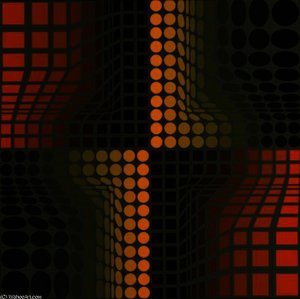
Acrylic On Canvas.

§ 1Catalogue data

Această lucrare este protejată de drepturile de autor
Lucrarea de artă afișată pe această pagină este protejată de legile privind drepturile de autor, ceea ce înseamnă că nu putem crea sau vinde în mod legal o reproducere identică. Această protecție este garantată prin acorduri internaționale, precum Convenția de la Berna și de legile naționale, inclusiv cele prevăzute de Legea dreptului de autor din S.U.A. – Titlul 17. Toate drepturile rezervate. Orice reproducere neautorizată este interzisă.
Ca alternativă respectuoasă și legală, oferim tablouri pictate manual, personalizate, inspirate de original. Artistii noștri experimentați și profesioniști studiază cu atenție stilul, starea de spirit și esența artistică a originalului pentru a crea o piesă nouă și unică, care evocă aceeași emoție – rămânând, în același timp, o creație originală în sine.
Această metodă respectă pe deplin reglementările privind drepturile de autor, deoarece nu implică copierea sau duplicarea operei protejate. În schimb, este o reinterpretare creativă – o pictură nouă, influențată de original, dar care nu este identică cu acesta.
 Citește mai mult
§ 2Abstract
Descriere obiect de colecție
Explore Victor Vasarely's 'Abstract Composition 13,' a vibrant Op Art masterpiece! Dive into its geometric shapes, dynamic colors & lasting influence on modern art.
Biografie artist
Victor Vasarely, Károly Vaszary, Op Art, Kinetic Art, Abstractie geometrica, Iluzie optica, Arta maghiara, Arta moderna
§ 3Commentary
A Dance of Geometry and Color: Exploring Victor Vasarely's "Abstract Composition 13"
Victor Vasarely, a name synonymous with Op Art and kinetic art, gifted the world a visual language rooted in geometry and vibrant color. His work transcends mere decoration; it’s an exploration of perception, a challenge to our understanding of space and form. “Abstract Composition 13,” exemplifies this perfectly – a dynamic interplay of shapes that seems to shimmer and move before your eyes. This isn't simply a painting; it is an experience, a carefully orchestrated illusion designed to engage the viewer on a deeply sensory level. The piece invites us into a world where logic and emotion intertwine, where the precision of mathematical principles gives rise to a surprisingly organic and captivating aesthetic.The Genesis of Op Art: Vasarely's Vision
To truly appreciate "Abstract Composition 13," one must understand its historical context. Born in Hungary in 1906, Vasarely’s journey was far from conventional. Initially studying medicine, he abandoned it to pursue his artistic calling, immersing himself in the burgeoning world of modern art. The influence of Bauhaus principles – a focus on functional design and geometric abstraction – is undeniable in his work. However, Vasarely didn't merely replicate these influences; he synthesized them into something entirely new. He sought to create an art that was accessible, democratic, and capable of transforming the everyday environment. This ambition led him to develop Op Art (Optical Art), a movement characterized by its use of optical illusions and dynamic visual effects. "Abstract Composition 13," created during this pivotal period, stands as a testament to Vasarely’s pioneering spirit and his unwavering commitment to pushing the boundaries of artistic expression. It was a time when artists were questioning traditional representation, seeking new ways to engage with the viewer and explore the very nature of perception.A Symphony of Shapes: Technique and Composition
The visual impact of "Abstract Composition 13" stems from Vasarely’s masterful manipulation of geometric forms – triangles, circles, squares, and lines – arranged in a complex yet harmonious composition. The colors are equally crucial; blues, greens, purples, yellows, oranges, and blacks collide and interact, creating a sense of depth and movement. Notice how the shapes overlap and intersect, generating optical vibrations that seem to pulse with energy. Vasarely’s technique involved meticulous planning and precise execution. He often began with small-scale studies, carefully calculating the placement of each element before transferring his design to larger canvases. This methodical approach belies the seemingly spontaneous nature of the final result. The "all-over" composition – where no single area dominates – is a hallmark of Vasarely’s style, ensuring that the viewer's eye is constantly drawn across the surface, exploring the intricate network of shapes and colors. He wasn't interested in creating a focal point; instead, he aimed to create an immersive visual experience.Beyond Illusion: Symbolism and Emotional Resonance
While "Abstract Composition 13" may appear purely decorative at first glance, deeper contemplation reveals layers of symbolic meaning. Vasarely believed that art should be accessible to everyone, transcending the elitism often associated with traditional fine art. His geometric abstractions can be interpreted as representations of universal patterns – the underlying structures that govern our world. The repetition of shapes and colors evokes a sense of order and harmony, while the dynamic interplay creates a feeling of energy and vitality. The emotional impact is subtle yet profound. There's a sense of optimism and forward momentum, a celebration of human ingenuity and creativity. It’s not an artwork that demands a specific interpretation; rather, it invites viewers to project their own emotions and experiences onto its surface. The vibrant colors evoke feelings of joy and excitement, while the precise geometry provides a grounding sense of stability. Ultimately, "Abstract Composition 13" is a testament to the power of abstraction to communicate complex ideas and evoke profound emotional responses without relying on representational imagery. It’s an invitation to see the world in new ways – to appreciate the beauty of order, the dynamism of change, and the endless possibilities of human imagination.Întrebări și răspunsuri
Din ce stil face parte "Abstract Composition 13"?
Mișcarea asociată cu "Abstract Composition 13" de Victor Vasarely este Op Art. Această clasificare plasează lucrarea printre artiști și opere de artă conexe.
Cum se încadrează stilul operei „Abstract Composition 13” în contextul epocii creatorului său?
„Abstract Composition 13” aparține mișcării Op Art, iar creatorul său a activat în epoca Era modernă.
Care este nuanța dominantă în "Abstract Composition 13" de Victor Vasarely?
"Abstract Composition 13" tinde spre o nuanță de Green to Violet Spectrum.


 Comută pe versiunea Print


 Pentru opere de artă sau reproduceri care depășesc 105 cm (aproximativ 41 de inch) pe oricare dintre laturi, cadrul va fi livrat demontat, sub formă de kit. Această metodă asigură o livrare sigură și previne deteriorarea în timpul transportului.