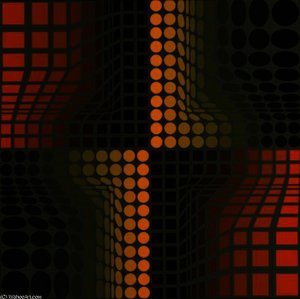
Acrylic On Canvas.

§ 1Catalogue data


Această lucrare este protejată de drepturile de autor
Lucrarea de artă afișată pe această pagină este protejată de legile privind drepturile de autor, ceea ce înseamnă că nu putem crea sau vinde în mod legal o reproducere identică. Această protecție este garantată prin acorduri internaționale, precum Convenția de la Berna și de legile naționale, inclusiv cele prevăzute de Legea dreptului de autor din S.U.A. – Titlul 17. Toate drepturile rezervate. Orice reproducere neautorizată este interzisă.
Ca alternativă respectuoasă și legală, oferim tablouri pictate manual, personalizate, inspirate de original. Artistii noștri experimentați și profesioniști studiază cu atenție stilul, starea de spirit și esența artistică a originalului pentru a crea o piesă nouă și unică, care evocă aceeași emoție – rămânând, în același timp, o creație originală în sine.
Această metodă respectă pe deplin reglementările privind drepturile de autor, deoarece nu implică copierea sau duplicarea operei protejate. În schimb, este o reinterpretare creativă – o pictură nouă, influențată de original, dar care nu este identică cu acesta.
 Citește mai mult
§ 2Abstract
Descriere obiect de colecție
Explore Victor Vasarely’s iconic Composition 8, a mesmerizing Op Art masterpiece featuring dynamic geometric patterns and vibrant blue and white hues, perfect for adding a touch of modern abstraction to your space.
Biografie artist
Victor Vasarely, Károly Vaszary, Op Art, Kinetic Art, Abstractie geometrica, Iluzie optica, Arta maghiara, Arta moderna
§ 3Commentary
A Dance of Perception: Exploring Victor Vasarely’s “Composition 8”
Victor Vasarely's "Composition 8" is more than just an abstract painting; it’s a meticulously crafted invitation to question the very nature of visual perception. Born in 1906 in Pécs, Croatia – then part of Austria-Hungary – Vasarely’s artistic trajectory was initially rooted in the scientific, beginning with studies in medicine before he decisively embraced the world of art in 1927. This shift wasn't a spontaneous decision but rather a deeply considered exploration, fueled by his time within the influential Műhely workshop, profoundly shaped by the principles of Bauhaus functional design and geometric abstraction. “Composition 8” embodies this legacy perfectly, representing a pivotal moment in Vasarely’s development as a leading figure in Op Art – a movement dedicated to stimulating optical illusions through precise arrangements of color and form.
- Subject & Composition: The artwork presents a captivating close-up view dominated by a central circular element, radiating outwards with a network of smaller circles. This deliberate arrangement isn’t haphazard; it's a carefully constructed visual puzzle designed to challenge the viewer’s eye and perception.
- Style & Technique: Vasarely’s signature style is unmistakably Op Art – characterized by its use of geometric shapes, vibrant color contrasts (primarily blue and white in this piece), and an emphasis on creating optical illusions. The painting's surface appears to be built up through meticulous layering of paint, a technique that enhances the three-dimensional effect and contributes to the artwork’s dynamic visual impact.
- Historical Context: Created during the mid-20th century, “Composition 8” reflects the broader artistic currents of its time. The rise of Op Art coincided with advancements in science and technology, particularly in the understanding of perception and optics. Vasarely’s work anticipated developments in kinetic art, exploring how visual stimuli could evoke a sense of movement and dynamism.
Decoding the Geometry: Symbolism and Meaning
While ostensibly abstract, “Composition 8” is rich with symbolic potential. The circles themselves are fundamental geometric shapes – representing wholeness, unity, and infinity. Their arrangement creates a visual tension, suggesting movement and instability while simultaneously conveying a sense of order and control. Vasarely intentionally disrupted traditional representational art, seeking to capture not the external world but rather the internal processes of perception itself. This approach aligns with the broader philosophical concerns of the time – questioning established norms and exploring new ways of understanding reality.
- Optical Illusions: The artwork’s primary effect is to create a dynamic visual experience, playing with the viewer's sense of depth and perspective. This manipulation of perception was central to Op Art’s goals – demonstrating how our eyes and brains actively construct reality.
- Kinetic Energy: Despite its static presentation, “Composition 8” evokes a feeling of movement and energy. The overlapping circles create an illusion of rotation or vibration, mirroring the principles of kinetic art which aimed to simulate motion through visual means.
A Legacy of Innovation – Bringing "Composition 8" into Your Space
"Composition 8" by Victor Vasarely is a testament to his pioneering work in Op Art and geometric abstraction. Its vibrant colors, intricate patterns, and dynamic composition make it a captivating addition to any art collection or interior design scheme. A hand-painted reproduction of this artwork offers an unparalleled opportunity to experience the full impact of Vasarely’s vision – bringing a touch of intellectual stimulation and visual excitement to your home or office.
Note: Due to the nature of reproductions, slight variations in color and detail may occur. Our hand-painted replicas are meticulously crafted to accurately represent the original artwork as closely as possible.Întrebări și răspunsuri
Ce spațiu se potrivește cu nuanțele din "Composition 8" de Victor Vasarely?
Având în vedere paleta de culori Neutrals, recomandăm pentru "Composition 8" o Living Room.
Ce reprezintă "Composition 8"?
Subiectele din "Composition 8" sunt abstract art, geometric shapes, op art style, circular design, color field, victor vasarely, visual perception.
Ce dimensiune se recomandă pentru "Composition 8" într-un Living Room?
Pentru o Living Room, recomandăm pentru "Composition 8" o dimensiune de tipar de Large.


 Comută pe versiunea Print


 Pentru opere de artă sau reproduceri care depășesc 105 cm (aproximativ 41 de inch) pe oricare dintre laturi, cadrul va fi livrat demontat, sub formă de kit. Această metodă asigură o livrare sigură și previne deteriorarea în timpul transportului.