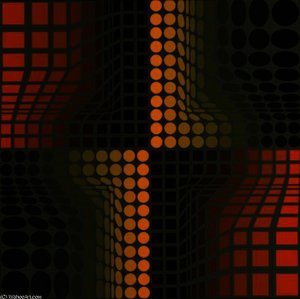
Digital.

§ 1Catalogue data


Această lucrare este protejată de drepturile de autor
Lucrarea de artă afișată pe această pagină este protejată de legile privind drepturile de autor, ceea ce înseamnă că nu putem crea sau vinde în mod legal o reproducere identică. Această protecție este garantată prin acorduri internaționale, precum Convenția de la Berna și de legile naționale, inclusiv cele prevăzute de Legea dreptului de autor din S.U.A. – Titlul 17. Toate drepturile rezervate. Orice reproducere neautorizată este interzisă.
Ca alternativă respectuoasă și legală, oferim tablouri pictate manual, personalizate, inspirate de original. Artistii noștri experimentați și profesioniști studiază cu atenție stilul, starea de spirit și esența artistică a originalului pentru a crea o piesă nouă și unică, care evocă aceeași emoție – rămânând, în același timp, o creație originală în sine.
Această metodă respectă pe deplin reglementările privind drepturile de autor, deoarece nu implică copierea sau duplicarea operei protejate. În schimb, este o reinterpretare creativă – o pictură nouă, influențată de original, dar care nu este identică cu acesta.
 Citește mai mult
§ 2Abstract
Descriere obiect de colecție
Explore Victor Vasarely’s ‘Obor,’ a mesmerizing Op Art abstraction of geometric shapes & vibrant colors. Discover its layered design & digital rendering style.
Biografie artist
Victor Vasarely, Károly Vaszary, Op Art, Kinetic Art, Abstractie geometrica, Iluzie optica, Arta maghiara, Arta moderna
§ 3Commentary
A Symphony of Perception: The Vibrating World of Obor
To encounter Victor Vasarely’s “Obor” is to step away from the stillness of traditional viewing and enter a realm where the canvas itself seems to breathe, pulse, and shift beneath one's gaze. This masterpiece of Op Art does not merely sit upon a wall; it interacts with the eye, challenging our very understanding of depth, stability, and movement. At its core, “Obor” is a profound exploration of geometric harmony, where the rigid discipline of mathematical precision meets the fluid, unpredictable nature of human perception. The artwork presents a deceptively simple composition of overlapping rectangles of vibrant hues, yet beneath this apparent austerity lies an intricate system designed to stimulate the viewer’s eye and create a convincing illusion of three-dimensionality.
The foundation of this visual dance is a meticulously structured hexagonal grid. This geometric scaffolding serves as more than just structural support; it actively guides the gaze across the canvas, reinforcing a sense of spatial recession through the careful layering and positioning of shapes. As the eye wanders through the composition, it experiences a rhythmic vibration, a hallmark of Vasarely’s signature style. This technique, deeply rooted in the Bauhaus principles of functional design, allows the artist to manipulate form and color to evoke deep emotional responses, turning a flat surface into a kinetic experience that feels as though it is moving within our own space.
The Chromatic Dance and Emotional Resonance
The color palette employed in “Obor” is far from accidental; it is a carefully engineered emotional journey. The composition begins with the warmth of sun-drenched yellows and oranges at its upper reaches, gradually transitioning downwards into the tranquil, cooler tones of blues and greens. This chromatic progression mirrors a natural cycle, much like the transition from bright daylight to the soft twilight of evening. Such a deliberate use of color does more than please the eye; it operates on a psychological level, subtly influencing the viewer's emotional state by capturing the fleeting sensations of light and atmosphere.
For the discerning collector or interior designer, “Obor” offers an unparalleled opportunity to introduce dynamic energy into a space. The artwork’s ability to create depth through the illusion of receding planes makes it a transformative piece for any high-end environment. Whether placed in a contemporary gallery setting or as a focal point in a sophisticated residential lounge, the painting acts as a window into a world of engineered energy. It provides a sense of intellectual stimulation and visual luxury, inviting guests to linger and lose themselves in its complex, layered geometry.
A Legacy of Innovation
Born Károly Vaszary in 1906 in Pécs, the artist’s journey was one of radical transformation. Having initially pursued medical studies, Vasarely eventually abandoned the biological sciences to master the science of sight. His work stands as a testament to his lifelong pursuit of "art for all," a philosophy that sought to democratize the aesthetic experience through the universal language of geometry. In “Obor,” we see the culmination of this vision—a piece where mathematics and magic converge, creating a lasting legacy of innovation that continues to inspire those who seek beauty in precision and movement in stillness.
Întrebări și răspunsuri
"Obor" de Victor Vasarely este o operă de artă luminoasă sau întunecată?
În general, "Obor" este înregistrată ca având o shadow. Luminozitatea percepută descrie cât de deschisă sau întunecată pare lucrarea.
Există lucrări similare cu "Obor"?
Descoperă lucrări similare cu „Obor” în pagina Lucrări similare a operei de artă.
"Obor" de Victor Vasarely folosește contrastul puternic sau armonii delicate?
Compoziția cromatică a operei "Obor" de Victor Vasarely îmbină un Statement contrast cu o Discordant Palette armonie.


 Comută pe versiunea Print


 Pentru opere de artă sau reproduceri care depășesc 105 cm (aproximativ 41 de inch) pe oricare dintre laturi, cadrul va fi livrat demontat, sub formă de kit. Această metodă asigură o livrare sigură și previne deteriorarea în timpul transportului.