


 Previzualizare
 Trimite prin felicitare
 Distribuie
 Detalii despre lucrare
 Ghid
Ghid

 Descarcă imaginea
 Produse similare
 Radiografie
 Galerie foto
 Q&A
Q&A Statistici
Skull


 Vezi mai mult
Giclée / Imprimare artistică
Printuri giclée sau pe canvas de calitate muzeală, cu proces de producție rapid și opțiuni flexibile de finisare. ( Comandă pictură realizată manual Comută pe Imagine Digitală)




P118B lei10

P118H lei10

P118W lei10

P438Z lei10

P508JH lei12

P508YH lei12

P805H lei10

P805Z lei10

P919BZ lei10

P919G lei10

P919XJ lei10

P959ZH lei10

P968JZ lei12

W106C lei8

W218G lei10

W218JH lei8

W218Y lei10

W307PJ lei10

W316G lei10

W316PJ lei8

W316Y lei10

W398PJ lei8

W4111J lei10

W500HY lei15

W500JH lei15

W692G lei12

W849H lei8

W940BG lei15

W953PJ lei8




Alegeți dintre dimensiunile noastre prestabilite, care respectă proporțiile originale ale operei de artă.

Introduceți lățimea și înălțimea necesare pentru a se potrivi ramei sau peretelui dumneavoastră. O printare poate fi doar tăiată, niciodată extinsă dincolo de dimensiunea imaginii originale, astfel încât o dimensiune cu o formă diferită va pierde o parte din imagine. Vă trimitem o simulare digitală pentru aprobare înainte de a imprima orice. Imaginea afișată pe această pagină nu prezintă tăierea reală — doar simularea arată acest lucru.
Livrare în întreaga lume () în 2 săptămâni, în loc de cele 4/5 săptămâni standard. (31 Octombrie)

Livrare expres gratuită la nivel mondial

Pânză de in de înaltă calitate

Asigurare completă pentru transport

Garanție de rambursare a taxelor vamale

Garanția fidelității culorilor

Politica de retur în 100 de zile (doar pentru defecte de fabricație)

Garanție de rambursare 100%

Ofertă pentru comenzi multiple
 Opțiunea cu sticlă este disponibilă doar pentru dimensiuni de sub 110 cm

Skull
Giclée / Imprimare artistică
Dimensiune reproducere
-


Preț total calculat
lei 304
A Silent Echo: Vincent van Gogh’s “Skull”
Vincent van Gogh's "Skull," painted in 1887, isn’t merely a depiction of bone and shadow; it’s a profound meditation on mortality, fragility, and the very essence of human existence. This intimate oil-on-canvas work, housed within the collections of museums worldwide including the Van Gogh Museum in Amsterdam, offers a glimpse into the artist's intensely personal world – a world grappling with illness, loss, and an urgent need to capture the fleeting beauty of life. The painting’s stark simplicity belies its complex emotional resonance, inviting viewers to contemplate the transient nature of all things.
The scene is deceptively straightforward: a weathered skull rests against a backdrop of vibrant yellow – a color that simultaneously radiates warmth and hints at decay. Van Gogh masterfully employs a palette dominated by earthy browns and muted greens, creating an organic feel that anchors the skull within a landscape of natural cycles. Notice how he doesn’t shy away from the imperfections of the bone; cracks and fissures are rendered with meticulous detail, suggesting not just age but also the ravages of time and the inevitable process of decomposition. This isn't a sanitized representation of death; it’s an honest confrontation with its reality.
Post-Impressionist Techniques: A Dance of Color and Texture
“Skull” is a quintessential example of Van Gogh’s Post-Impressionist style, characterized by bold colors, expressive brushstrokes, and a deliberate rejection of traditional academic techniques. The artist's signature impasto – thick layers of paint applied directly to the canvas – creates a palpable sense of texture and movement. Observe how the brushwork seems to writhe across the surface, conveying not just the physical form of the skull but also the emotional turmoil within Van Gogh himself. He uses short, choppy strokes to define the contours of the bone, contrasting them with broader, more fluid strokes in the background, suggesting a dynamic interplay between stillness and decay.
The strategic use of color is particularly noteworthy. The yellow isn’t simply a backdrop; it pulsates with an almost unsettling energy, hinting at life force struggling against the inevitable decline. Van Gogh's masterful manipulation of light and shadow creates a dramatic chiaroscuro effect, intensifying the skull’s presence and drawing the viewer’s eye to its stark beauty. The subtle variations in tone – from deep browns to pale yellows – contribute to the painting’s overall sense of depth and realism.
Symbolism and the Weight of Mortality
Throughout his oeuvre, Van Gogh frequently employed skulls as symbols of mortality and the transience of life. In “Skull,” this symbolism is powerfully conveyed through the juxtaposition of the decaying bone against the vibrant yellow background. The skull represents not just death but also the inevitable end of all earthly pursuits – a poignant reminder of our own vulnerability. However, the painting isn’t solely focused on despair; the bright yellow suggests a glimmer of hope, a recognition that even in the face of mortality, beauty and vitality can still be found.
Some art historians interpret the skull as a reflection of Van Gogh's own struggles with mental illness. The painting could be seen as an attempt to grapple with his own feelings of isolation, despair, and impending doom. Yet, despite the underlying melancholy, “Skull” possesses a strange dignity – a quiet acceptance of fate that speaks to the artist’s profound sensitivity and artistic vision. It's a testament to Van Gogh's ability to transform personal suffering into universal themes.
Van Gogh’s Legacy: An Enduring Influence
Vincent van Gogh’s impact on the art world is immeasurable. His bold experimentation with color, brushstroke, and subject matter paved the way for movements like Expressionism and Fauvism, profoundly influencing generations of artists. “Skull,” in its raw emotional honesty and technical brilliance, stands as a powerful example of Van Gogh's unique artistic voice – a voice that continues to resonate with audiences today.
If you’re captivated by this evocative masterpiece, AllPaintingsStore offers meticulously crafted hand-painted reproductions of "Skull," allowing you to bring this iconic work into your own space. Explore our collection at AllPaintingsStore and experience the power of Van Gogh’s vision firsthand. For further exploration, consider visiting the Van Gogh Museum in Amsterdam (Vangoghmuseum.nl) or the Rijksmuseum in Amsterdam (Rijksmuseum.nl), where you can immerse yourself in the world of this extraordinary artist.
Întrebări și răspunsuri
Care este dimensiunea și orientarea recomandate pentru printarea lucrării „Skull”?
Pentru o printare a lucrării "Skull" de Vincent Van Gogh, recomandăm dimensiunea de Format mare în orientare Orientare verticală.
Ce utilizare și ce spațiu sunt recomandate pentru "Skull" de Vincent Van Gogh?
„Skull” este recomandat pentru Piesa centrală de impact, iar spațiul ideal de expunere este o Living Room.
Cât de armonioase sunt culorile din "Skull" de Vincent Van Gogh?
Culorile din "Skull" de Vincent Van Gogh prezintă o armonie Unitate cromatică puternică. Armonia descrie modul în care culorile interacționează între ele.
Opere similare


Biografie artist
O via pictată cu pasiune: Vincent van Gogh
Vincent Willem van Gogh, un nume sinonim cu culoarea vibrantă și emoția pură, rămâne una dintre cele mai recognoscibile și iubite figuri din istoria artei. Născut pe 30 martie 1853, în Zundert, Olanda, călătoria sa de la un tânăr tulburat în căutarea unui scop, la un vizionar artistic, este o poveste emoționantă despre dedicare, luptă și, în cele din urmă, o moștenire nemuritoare. Deși a cunoscut un succes comercial redus în timpul vieții sale – vânzând o singură pictură, The Red Vineyard, înainte de moarte – impactul lui Van Gogh asupra artei moderne este imens, deschizând calea Expresionismului și influențânduro numeroși artiști care au urmat. Povestea sa nu este doar despre pensule și pânze; este o mărturie a puterii expresiei umane în fața adversității.
Anii de început și trezirea artistică
Primii ani ai lui Van Gogh au fost marcați de o serie de aspirații neîmplinite. A încercat diverse profesii – negustor de artă, profesor și chiar misionar – înainte de a se dedica picturii la vârsta relativ tardivă de 27 de ani. Aceste experiențe timpurii i-au modelat profund viziunea asupra lumii și s-au regăsit în arta sa. Primele sale lucrări, care încadrau scene din viața țărănească din zona rurală a Belgiei, reflectă o empatie profundă pentru clasa muncitoare și o paletă sobră ce oglindește greutățile acestora. Influențat de artiști precum Jean-François Millet, Van Gogh a căutat să surprindă demnitatea și reziliența acestor oameni prin realismul crud. Totuși, mutarea sa la Paris în 1886 a fost transformatoare. Acolo, a descoperit Impresionismul și Post-Impresionismul, absorbind tehnicile unor maeștri precum Monet, Renoir și Pissarro. Această expunere i-a lărgit orizonturile artistice, conducingându-l să experimenteze cu culori mai vii și o aplicare a vopselei mai liberă, păstrând totodată o intensitate emoțională distinctă, absentă la mulți dintre contemporanii săi. Fratele său Theo, un negustor de artă, a jucat un rol crucial în această perioadă, oferind sprijin financiar și servind drept legătură vitală cu lumea artistică pariziană. Corespondența lor vastă oferă perspective inestimabile asupra dezvoltării artistice și a luptelor personale ale lui Van Gogh.
Lumina sudului și creativitatea explozivă
Căutând un peisaj mai vibrant și un sentiment de regenerare, Van Gogh s-a mutat la Arles, în sudul Franței, în 1888. Această mutare a marcat o perioadă de productivitate creativă intensă, caracterizată printr-o explozie de culoare și tehnica distinctivă impasto – aplicarea stratului gros de vopsea pe pânză, creând o suprafață texturată care pare să pulseze de energie. Tocmai aici a realizat unele dintre cele mai iconice opere ale sale: Sunflowers, The Night Cafe și Starry Night. Lumina intensă a Provenței părea să îi aprindă imaginația, conducingându-l să depindă pe peisaje și naturi moarte cu o vitalitate fără precedent. Dorința sa de colaborare artistică l-a împins să îl invite pe Paul Gauguin să i se alăture în Arles, sperând să stabilească o colonie utopică de artiști. Cu toate acestea, relația lor s-a dovedit a fi instabilă, culminând cu o confruntare dramatică care a dus la mutilarea propriei urechi. Acest eveniment a subliniat fragilitatea stării sale mentale și a marcat începutul unei perioade de internare și de creștere a suferinului psihologic.
Anii de final și moștenirea eternă
În urma colapsului său, Van Gogh s-a internat voluntar într-un azil la Saint-Rémy, unde a continuat să picteze în abundență, surprinzând peisajele din jur cu frumusețe și tulburare deopotrivă. Lucrări precum The Starry Night, pictată în acest timp, sunt îmbibate cu un sentiment de uimire cosmică și o profunzime emoțională intensă. Ulterior s-a mutat la Auvers-sur-Oise sub îngrijirea doctorului Paul Gachet, însă luptele sale au persistat. Pe 29 iulie 1890, la vârsta de 37 de ani, Van Gogh a murit tragic dintr-o rană cauzată de o împușcare autoinfligată. Deși a obținut puțină recunoaștere în timpul vieții sale, opera sa a început să câștige aclamație postumă datorită eforturilor neobosite ale nurorii sale, Johanna van Gogh-Bonger, care a moștenit bunurile sale și s-a dedicat promovării artei sale. Astăzi, picturile lui Van Gogh sunt celebrate în întreaga lume pentru intensitatea lor emoțională, tehnicile inovatoare și frumusețea nemuritoare. Moștenirea sa se extinde mult dincolo de pânză; el a devenit un simbol al pasiunii artistice, al perseverenței în fața adversității și al puterii artei de a exprima cele mai profunde emoții umane.
Influențe cheie și dezvoltare artistică
- Realismul timpuriu: Reprezentările vieții țărănești ale lui Jean-François Millet au influențat primele lucrări ale lui Van Gogh.
- Impresionismul și Post-Impresionismul: Expunerea la Monet, Renoir, Pissarro și alții în Paris i-a lărgit paleta și tehnica.
- Gravurile japoneze: Van Gogh a fost profund influențat de gravurile pe lemn japoneze, pe care le colecționa cu ardoare. Compozițiile lor îndrăznețe și planurile plate de culoare i-au impactat propriul stil.
- Expresia emoțională: Mai presus de orice, Van Gogh a căutat să transmită emoție prin arta sa, prioritizând experiența subiectivă în detrimentul reprezentării obiective. Această concentrare pe intensitatea emoțională a devenit o caracteristică definitorie a lucrărilor sale și a deschis calea către Expresionism.
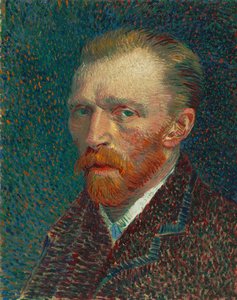
Vincent Van Gogh
1853 - 1890 , Olanda
Detalii rapide
- Artistic Movement Or Style: Post-Impresionism
- Artists Or Movements Influenced By This Artist:
- Expresionism
- Fauvism
- Artists Who Influenced This Artist:
- Rembrandt
- Millet
- Date Of Birth: 30 martie 1853
- Date Of Death: 29 iulie 1890
- Full Name: Vincent Willem van Gogh
- Nationality: Olandez
- Notable Artworks:
- Mâncători de cartofi
- Lalele
- Noaptea la Arles
- Steaua nopții
- Place Of Birth: Zundert, Olanda
Articole similare

Top 10 Capodopere Pictate în Nuanțe de Ocră Galben: Artă și Decor Inspirat
Descoperă top 10 picturi celebre dominate de nuanțe calde de ocră galben! Explorează poveștile lui Van Gogh, Monet și Rembrandt. Găsește inspirație pentru decorul tău cu reproduceri artă de calitate muzeală pe AllPaintingsStore.com
Top 10 Capodopere Picturale Dominate de Galben Crom: Artă, Istorie și Decor
Descoperă top 10 tablouri celebre dominate de galben crom! Van Gogh, Monet și alți maeștri ai impresionismului. Istorie, tehnică și inspirație pentru decorul casei tale. Reproduceri de artă de calitate muzeală pe AllPaintingsStore.com

Decoding Van Gogh's Turmoil: AllPaintingsStore’s Masterful Reproductions of Emotional Depth
Discover exquisite Van Gogh reproductions from AllPaintingsStore – expert art specialists offering museum-quality prints & custom paintings. Trust our authentic process and elevate your collection today.
Top 10 Capodopere Post-Impresioniste care au Definit Arta Modernă | AllPaintingsStore.ro
Descoperă Top 10 capodopere post-impresioniste de la Van Gogh, Monet, Cézanne și alții! Explorează istoria artei moderne, tehnicile unice și culorile vibrante. Reproduceri tablouri de calitate muzeală pe AllPaintingsStore.com

Rembrandt van Rijn: Cele Mai Frumoase 25 de Capodopere – Artă, Istorie și Decorațiuni Interioare
Descoperă cele mai frumoase 25 de picturi ale lui Rembrandt van Rijn! Explorează capodopere baroce, portrete emoționante și peisaje iconice. Reproduceri de artă de calitate muzeală pentru un design interior rafinat. Descoperă toate operele pe AllPaintingsStore.com!


