


 Previzualizare
 Trimite prin felicitare
 Distribuie
 Detalii despre lucrare
 Ghid
Ghid

 Descarcă imaginea
 Produse similare
 Radiografie
 Galerie foto
 Întrebări și răspunsuri
 Statistici
Los

- 146.0 x 222.0 cm


 Vezi mai mult
Giclée / Imprimare artistică
Printuri giclée sau pe canvas de calitate muzeală, cu proces de producție rapid și opțiuni flexibile de finisare. ( Comandă pictură realizată manual Comută pe Imagine Digitală)




P118B lei10

P118H lei10

P118W lei10

P438Z lei10

P508JH lei12

P508YH lei12

P805H lei10

P805Z lei10

P919BZ lei10

P919G lei10

P919XJ lei10

P959ZH lei10

P968JZ lei12

W106C lei8

W218G lei10

W218JH lei8

W218Y lei10

W307PJ lei10

W316G lei10

W316PJ lei8

W316Y lei10

W398PJ lei8

W4111J lei10

W500HY lei15

W500JH lei15

W692G lei12

W849H lei8

W940BG lei15

W953PJ lei8




Alegeți dintre dimensiunile noastre prestabilite, care respectă proporțiile originale ale operei de artă.

Introduceți lățimea și înălțimea necesare pentru a se potrivi ramei sau peretelui dumneavoastră. O printare poate fi doar tăiată, niciodată extinsă dincolo de dimensiunea imaginii originale, astfel încât o dimensiune cu o formă diferită va pierde o parte din imagine. Vă trimitem o simulare digitală pentru aprobare înainte de a imprima orice. Imaginea afișată pe această pagină nu prezintă tăierea reală — doar simularea arată acest lucru.
Livrare în întreaga lume () în 2 săptămâni, în loc de cele 4/5 săptămâni standard. (15 Noiembrie)

Livrare expres gratuită la nivel mondial

Pânză de in de înaltă calitate

Asigurare completă pentru transport

Garanție de rambursare a taxelor vamale

Garanția fidelității culorilor

Politica de retur în 100 de zile (doar pentru defecte de fabricație)

Garanție de rambursare 100%

Ofertă pentru comenzi multiple
 Opțiunea cu sticlă este disponibilă doar pentru dimensiuni de sub 110 cm

Los
Giclée / Imprimare artistică
Dimensiune reproducere
-


Preț total calculat
lei 308
A Profound Vision of Innocence and Suffering: Exploring William Blake’s “Los”
William Blake's "Los," painted in 1804, stands as a haunting testament to the Romantic spirit—a collision between sublime beauty and unsettling psychological depth. More than just a depiction of figures amidst a forest landscape, it embodies Blake’s complex exploration of human experience, grappling with themes of innocence, corruption, and divine judgment. The painting's immediate impact is one of arresting visual splendor; meticulously rendered trees dominate the composition, illuminated by an ethereal moonlight that casts long shadows across the scene. Stars twinkle overhead, adding to the atmosphere of otherworldly contemplation. Yet, beneath this surface tranquility lies a narrative fraught with symbolic significance. The central trio—three nude figures—represent archetypal characters engaged in a dramatic confrontation. The figure on the left possesses a prominent erect penis, a deliberate allusion to primal sexuality and vulnerability. This anatomical detail isn’t merely descriptive; it serves as a visual metaphor for the inherent tension between innocence and desire, mirroring Blake's broader preoccupation with reconciling spiritual idealism with earthly realities. Adjacent to him is another figure holding what appears to be a crucifix—a poignant emblem of Christian faith juxtaposed against the raw physicality of the scene. This gesture speaks to the struggle between piety and transgression, highlighting the inescapable paradoxes of human existence. The third figure reaches upwards towards an unseen celestial realm, symbolizing aspiration for transcendence and divine grace. However, this upward gaze is countered by a palpable sense of unease; the positioning of the figures suggests a precarious balance—a vulnerability exposed to forces beyond comprehension. The inclusion of a wheel at the base of the painting adds another layer of complexity. Often interpreted as representing cyclical time and karmic retribution, it underscores Blake’s belief that human actions inevitably bear consequences, shaping our destinies in ways we may not fully grasp. Blake's technique—primarily watercolor on paper—contributes significantly to the artwork’s emotive power. Watercolor allows for subtle gradations of tone and color, capturing the luminescence of moonlight and creating an illusion of depth that enhances the scene’s dramatic effect. The artist’s meticulous attention to detail ensures that every element—from the texture of bark to the glimmering stars—is rendered with remarkable precision. This painstaking craftsmanship underscores Blake's commitment to conveying not just what he saw but also what he felt—a profound engagement with the spiritual and psychological dimensions of his subject matter. “Los” resonates powerfully with viewers today, prompting contemplation on fundamental questions about morality, faith, and the human condition. Its unsettling beauty compels us to confront uncomfortable truths about our own desires and vulnerabilities, reminding us that true enlightenment requires acknowledging both innocence and suffering—a duality perfectly captured in Blake’s masterful depiction of this unforgettable tableau. It remains a cornerstone of Romantic art, securing its place as an enduring symbol of artistic vision and spiritual inquiry.Întrebări și răspunsuri
Unde pot găsi un ghid pentru "Los"?
Ghidul pentru "Los" reprezintă pagina de Fișă informativă a operei de artă – o fișă informativă imprimabilă care prezintă lucrarea împreună cu legenda sa, mențiunea de credit și tabelul de identificare (artist, date, tehnică, dimensiunea originală, colecție).
Ce vârstă avea William Blake când a creat "Los" în 1804?
William Blake a creat "Los" la vârsta de 47. Artistul s-a născut în 1757, iar lucrarea datează din 1804.
Drepturile de autor asupra operei "Los" de William Blake permit reproducerea acesteia?
Originalul „Los” se află la Centrul Britanic pentru Artă din Yale, iar opera este în domeniul public – drepturile de autor au expirat.
Opere similare


Biografie artist
Viața timpurie, familia și instruirea
William Blake s-a născut pe 28 noiembrie 1757, în Londra, Anglia. A crescut într-o cămin situat deasupra magazinului de articole de îmbrăcăminte al tatălui său, la numărul 28 de Broad Street. Părinții săi, James Blake și Catherine Wright Armitage Blake, i-au oferit un mediu stabil într-o perioadă de schimbări sociale semnificative în oraș. Deși educația sa a fost marcată de resursele modeste ale unei familii de meseriași, primii ani ai sale au fost definiți de o imaginație singulară și intensă, care se manifesta adesea prin viziuni, cum ar fi vederea îngerilor printre ramurile unui copac în timpul plimbărilor din copilărie.
Instruirea formală a început la vârsta de zece ani, când a fost înscris la școala de desen a lui Henry Pars. Această educație timpurie i-a oferit fundamentul tehnic pentru o carieră ce, în cele din urmă, avea să depășească simplul desen. La vârsta de 14 ani, necesitatea muncii practice l-a condus către un ucenicie de șapte ani sub îndrumarea gravorului James Basire. Această perioadă a fost esențială pentru dezvoltarea sa, deoarece l-a introdus în mecanica riguroasă a gravurii și în proprietățile fizice ale metalului și ale acidului.
În timpul uceniciei sale, Blake a petrecut un timp considerabil schițând mormintele de la Westminster Abbey. Arhitectura gotică și piatra erodată a acestor monumente au lăsat o impresie durabilă asupra sensibilității sale estetice. Aceste studii i-au permis să interiorizeze formele trecutului, pe care le va reinterpreta ulterior prin propriul său filtru unic. Instruirea sa nu a fost doar o căutare a unei meserii, ci o imersie profundă în limbajul vizual al istoriei și al structurii.
Tehnică și Inovație Artistică
Procesul creativ al lui William Blake a fost definit de o dorință neliniștită de a fuziona cuvântul scris cu imaginea vizuală. El a depășit gravurile comerciale standard ale erei sale pentru a dezvolta o metodă unică de gravură în relief pentru cărțile sale iluminate. Această tehnică implica aplicarea unui lac rezistent la acid pe plăcile de cupru, permițându-i să graveze atât textul, cât și ilustrația într-o formă unică, integrată. Această metodă nu a fost doar o alegere tehnică, ci una spirituală; el susținea că acest proces i-a fost revelat printr-o experiență vizionară în urma decesului fratelui său, Robert. Lucrând alături de soția sa, Catherine, care îl asista în procesul de imprimare și colorare, el gestiona întreaga producție, de la prima etapă de gravare până la cusutul final al cărților.
Estetica sa a reprezentat o plecare deliberată de la regulile rigide ale contemporanilor săi. El a respins utilizarea tradițională a perspectivei liniare, care căuta să imite lumea fizică, în favoarea unei reprezentări mai emoționante și simbolice a spațiului. Această aplatizare a câmpului vizual i-a permis să prioritizeze logica internă a viziunilor sale în detrimentul constrângerilor naturalismului. Pentru a aduce aceste viziuni la viață, utiliza frecvent acuarele și vopsele de tempera, aplicând culoarea manual pe foile imprimate pentru a obține o textură specifică, personală. Opera sa a fost un efort al mâinii și al spiritului, fiind adesea realizată în liniștea căminului său din Londra.
Opere Cheie și Publicații Majore
Primele eforturi creative ale carierei sale au început odată cu publicarea volumului Poetical Sketches în 1783. Această colecție inițială de versuri a fost urmată de cele mai recunoscute realizări lirice ale sale: Songs of Innocence în 1789 și Songs of Experience în 1794. Aceste lucrări au stabilit o tensiune recurentă în scrierile sale, explorând contrastul dintre starea de puritate a copilăriei și corupția realității de adult. Între anii 1790 și 1793, el a dat viață operei The Marriage of Heaven and Hell, o lucrare provocatoare care a sfidat doctrinele morale și religioase consacrate prin intermediul prozei și al versurilor.
Implicarea sa în turbulențele politice ale epocii sale a găsit exprimare în cărțile sale profetice. A creat America, a Prophecy în 1793 și Europe, a Prophecy în 1794, opere care reflectau spiritul revoluționar al timpului. Aceste publicații nu erau simple texte, ci viziuni integrate, în care imaginea gravată și cuvântul scris funcționau ca o singură entitate. Ultimele sale ani de viață au fost marcați de proiecte vaste și complexe, care au necesitat ani de efort susținut.
Etapele ulterioare ale vieții sale au fost caracterizate de dezvoltarea unor cicluri monumentale și intricate. A lucrat la seria Milton între anii 1804 și 1808, iar marea sa ultimă realizare, Jerusalem, l-a ocupat din 1804 până în 1820. Aceste opere reprezintă apogeul încercării sale de o viață de a construi o mitologie privată, una care căuta să reconcilieze spiritul uman cu cel divin prin intermediul unui limbaj simbolic profund, personal.
Patronaj, Atelier și Comenzi
Realitatea financiară a vieții lui William Blake a fost, adesea, o luptă continuă pentru stabilitate. Pe parcursul majorității carierei sale, acesta și-a asigurat existența ca gravor itinerant, acceptând diverse sarcini comerciale pentru a se întreține. În jurul anului 1784, a încercat să își stabilească o bază profesională mai permanentă, deschizând un atelier de tipografie alături de James Parker, un prieten și fost coleg de ucenicie. Această inițiativă, însă, nu i-a oferit securitatea pe care o căuta. În schimb, mijlocul său de subzistență a depins frecvent de sprijinul constant al câtorva patroni dedicat, cel mai notabil fiind Thomas Butts, a cărui protecție i-a oferit o linie de viață vitală pentru proiectele artistice mai personale și vizionare.
Geografia profesională a lui Blake s-a transformat odată cu schimbarea circumstanțelor vieții sale. Între anii 1800 și 1803, artistul s-a mutat în orășelul de coastă Felpham. În această perioadă, el a trăit și a creat sub patronajul lui William Hayley. Această etapă petrecută în Felpham i-a oferit o pauză temporară de la presiunile urbane ale Londrei, permițându-i să se concentreze pe seriile sale complexe de lucrări. Chiar și atunci când trebuia să răspundă cerințelor unor comenzi specifice, opera sa a rămas profund legată de nevoile celor care îi susțineau viziunea, echilibrând adesea cerințele practice ale gravurii pentru alții cu munca privată, dedicată propriei tehnici de imprimare iluminată.
Moștenirea și influența atemporală
Pe parcursul vieții sale, viziunea lui William Blake a fost adesea întâmpinată cu neînțelegere, opera sa fiind deseori respinsă ca fiind produsul unei minți excentrice sau instabile. A trăit o existență marcată de o relativă obscuritate, luptându-se adesea pentru stabilitatea financiară în timp ce își câștiga pâinea ca gravor. Totuși, aceleași calități care l-au marginalizat în prima jumătate a secolului XIX i-au asigurat, în cele din urmă, locul de figură centrală în mișcarea Romantică. Insistența sa asupra primatului imaginației în fața constrângerilor rațiunii a oferit un model pentru cei care, ulterior, ar fi căutat să se desprindă de structurile academice tradiționale.
Impactul stilului său singular a ajuns, în cele din urmă, dincolo de cercul său imediat de influență. Frăția Pre-Rafaelită l-a îmbrățișat ca pe un suflet înrodit, găsind un punct comun în respingerea convențiilor neoclasice. Pe măsură ce deceniile au trecut, influența sa a călătorit prin mișcările Simbolistă și Modernistă, găsind rezonanță în interesul lor comun pentru experiența subiectivă și profunzimea spirituală. El nu s-a limitat doar la a ilustra poezii; el a construit o mitologie privată care continuă să fie o sursă de inspirație pentru poeți, pictori și gânditori din diverse discipline.
- The Tyger
- The Lamb
- London
- Jerusalem
Unde pot fi admirate astăzi operele sale
Vestigiile fizice ale viziunii lui William Blake sunt împrăștiate printre mai multe instituții de renume, reflectând amploarea influenței sale la nivel mondial. În Londra, Tate Gallery păstrează șase dintre lucrările sale, inclusiv reprezentarea semnificativă din 1795 a lui Isaac Newton. Această colecție oferă o perspectivă profundă asupra preciziei tehnice pe care a aplicat-o gravurilor sale și a modului în care a tradus concepte spirituale complexe într-o formă vizuală pură.
Dincolo de Atlantic, prezența sa este simțită în mai multe colecții americane de importanță majoră. Yale Center for British Art din New Haven deține patru lucrări, precum printul din 1804 al cărei subiect este Los Entering the Grave. Între timp, Museum of Fine Arts din Boston găzduiește, de asemenea, patru piese, printre care studiul său din 1808 al lui Adam and Eve Sleeping. Aceste colecții permit un studiu comparativ al evoluției sale, de la cel care lucra ca gravor comercial la creatorul unor volume iluminate, complet independente.
Răspândirea artei sale se extinde și mai departe, până în Emisfera Sudică. National Gallery of Victoria din Melbourne cuprinde o operă, o piesă din 1827 intitulată Antaeus setting down Dante and Virgil in the last circle of hell. Această prezență unică în Australia subliniază interesul internațional durabil pentru mitologia sa singulară și profund personală.
- The Ancient of Days (1794)
- The Tyger
- The Lamb
- London
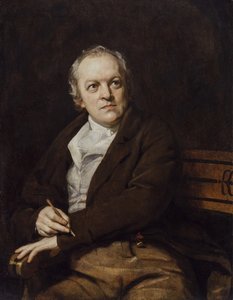
William Blake
1757 - 1827 , Regatul Unit
Detalii rapide
- Artistic Movement Or Style: Romantismul
- Artists Or Movements Influenced By This Artist:
- Frăfrăția Pre-Rafaelită
- Simbolismul
- Modernismul
- Artists Who Influenced This Artist:
- Raphael
- Michelangelo
- Date Of Birth: 1757
- Date Of Death: 1827
- Full Name: William Blake
- Nationality: Britanic
- Notable Artworks:
- The Ancient of Days
- Isaac Newton
- The Tyger
- The Lamb
- London
- Place Of Birth: Londra, Regatul Unit
Articole similare

25 Masterpieces by William Blake: The Visionary Art of a Romantic Legend
Step into the visionary world of William Blake. Explore 25 iconic Romantic masterpieces, from his mystical illuminated prints to legendary illustrations. Find inspiration and museum-quality art reproductions for your decor. Discover all masterpieces on AllPaintingsStore.com.

25 Must-See Masterpieces at the Yale Center for British Art
Explore 25 iconic works from Turner to Hogarth at Yale Center for British Art. Discover the full collection online at AllPaintingsStore.com.


