


 Previzualizare

 Trimite prin felicitare
 Distribuie
 Detalii despre lucrare
 Ghid


 Descarcă imaginea
 Produse similare
 Radiografie
 Galerie foto
 Întrebări și răspunsuri
 Statistici
Lucr fără titlu de William Morris

- 57.0 x 962.0 cm


 Vezi mai mult
Giclée / Imprimare artistică
Printuri giclée sau pe canvas de calitate muzeală, cu proces de producție rapid și opțiuni flexibile de finisare. ( Comandă pictură realizată manual Comută pe Imagine Digitală)
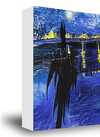


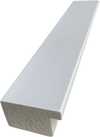
P118B lei10
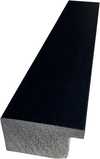
P118H lei10
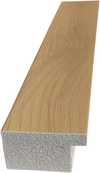
P118W lei10
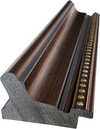
P438Z lei10
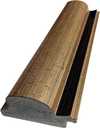
P508JH lei12

P508YH lei12
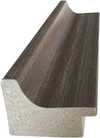
P805H lei10
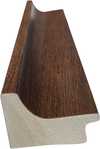
P805Z lei10
P919BZ lei10
P919G lei10
P919XJ lei10
P959ZH lei10
P968JZ lei12
W106C lei8
W218G lei10

W218JH lei8
W218Y lei10
W307PJ lei10

W316G lei10
W316PJ lei8
W316Y lei10
W398PJ lei8
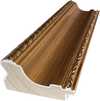
W4111J lei10
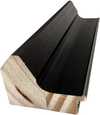
W500HY lei15
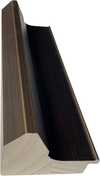
W500JH lei15
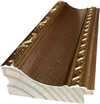
W692G lei12
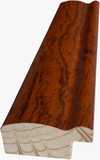
W849H lei8
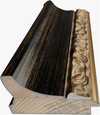
W940BG lei15
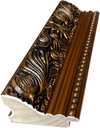
W953PJ lei8
Alegeți dintre dimensiunile noastre prestabilite, care respectă proporțiile originale ale operei de artă.

Introduceți lățimea și înălțimea necesare pentru a se potrivi ramei sau peretelui dumneavoastră. O printare poate fi doar tăiată, niciodată extinsă dincolo de dimensiunea imaginii originale, astfel încât o dimensiune cu o formă diferită va pierde o parte din imagine. Vă trimitem o simulare digitală pentru aprobare înainte de a imprima orice. Imaginea afișată pe această pagină nu prezintă tăierea reală — doar simularea arată acest lucru.
Livrare în întreaga lume () în 2 săptămâni, în loc de cele 4/5 săptămâni standard. (16 Noiembrie)

Livrare expres gratuită la nivel mondial

Pânză de in de înaltă calitate

Asigurare completă pentru transport

Garanție de rambursare a taxelor vamale

Garanția fidelității culorilor

Politica de retur în 100 de zile (doar pentru defecte de fabricație)

Garanție de rambursare 100%

Ofertă pentru comenzi multiple
 Opțiunea cu sticlă este disponibilă doar pentru dimensiuni de sub 110 cm

None
Giclée / Imprimare artistică
Dimensiune reproducere
-


Preț total calculat
lei 308
Identification of the Pimpernel Wallpaper Design
The wallpaper design known as Pimpernel emerged from the mind of William Morris around 1876. This work reflects the vision of the English architect, designer, craftsman and theorist William Morris. It captures a specific moment in the late nineteenth century when the lines between domestic utility and fine art began to blur. The pattern seeks to bring the quiet rhythms of the natural world into the structured interiors of the Victorian era.
William Morris conceived this design as a way to integrate botanical life into the fabric of the home. The Pimpernel pattern is a wallpaper design that relies on the repetition of organic forms. It functions as a visual echo of the garden, translated into a rhythmic sequence of flora. Each line follows the logic of a growing stem or a reaching leaf.
The work exists as a structured arrangement of botanical elements. It is a product of the Arts and Crafts movement, born from a desire to prioritize the hand of the maker. Through this design, the artist sought to find a balance between the wildness of nature and the order of the printed surface. A single petal rests in the stillness of the pattern.
Visual Composition and Floral Motifs
Curvilinear acanthus leaves wind through the space, creating a rhythmic movement across the surface. These forms intertwine with climber willow and honeysuckle branches, forming a dense, interlocking network. The pattern relies on an intricate and detailed arrangement where every leaf and stem finds its place within the organic geometry. It is a quiet, structured growth.
Chrysanthemums and jasmines emerge from the foliage, their shapes softened by the surrounding greenery. Willow branches weave through the composition, adding a sense of layered depth to the botanical scene. The color palette remains restrained, dominated by shades of blue that suggest a calm, shaded garden. Ivory and pale greens provide a delicate contrast to these deeper tones.
Technique and Material Production
The creation of this design relied on the steady hand of the artisan. Using hand-printing techniques, the intricate floral patterns were pressed onto linen fabric. Each movement of the printer required precision to ensure the botanical forms appeared with a remarkable level of realism. The texture of the linen holds the ink, grounding the delicate shapes of the pimpernel and willow in a tangible, physical reality.
This labor-intensive process reflects a deep commitment to traditional artisanal skills. Rather than the sterile repetition of a machine, the work carries the weight of meticulous human effort. Every stem and leaf was placed with a specific intent, honoring the slow rhythm of manual craft. The final result is a surface where the organic lines of nature meet the disciplined touch of the maker.
Artistic Style and Movement Influence
The design belongs to the Arts and Crafts Movement, a reaction against the cold precision of the industrial age. It seeks a return to the hand of the maker. This piece carries a distinct Oriental influence, pulling from the quietude of the Far East to reshape Victorian interiors. The patterns do not shout; they whisper through a lens of Japonisme.
Eastern stylistic conventions dictate the flow of the composition. The work reflects the influence of Japanese design principles, favoring a restrained elegance over heavy ornamentation. It is a translation of distant aesthetics into a local language of line and form. The curvilinear movement of the stems mirrors the serene balance found in Japanese art.
This aesthetic approach creates a bridge between two worlds. The pattern uses the logic of the East to find a new rhythm for the English home. It is a quiet rebellion of nature against the machine. A single leaf rests in perfect, deliberate balance.
Current Location and Museum Collection
The Pimpernel wallpaper design resides within the Nacionálny múzeum dekoratívneho umelí Madrid. This collection preserves the work in Madrid, Spain. It remains a part of the National Museum of Decorative Arts. The physical presence of the piece is defined by its long, narrow scale, measuring 57 x 962 cm.
The museum halls hold this linen fragment. It rests as a quiet specimen of the Arts and Crafts Movement. The blue hues and floral lines exist here, kept within the Spanish institution. A stillness settles over the pattern in its current home.
Întrebări și răspunsuri
Sub ce alte nume este cunoscut/ă William Morris?
William Morris este cunoscut și sub numele de Morris, Marshall, Faulkner & Co..
Opere similare


Biografie artist
A Life Rooted in Nature and Romance
William Morris, born on March 24, 1834, in Walthamstow, Essex, emerged from a comfortably affluent middle-class background—a circumstance that afforded him the freedom to pursue passions rather than professions. His father’s success as a financier provided not only security but also an environment where aesthetic sensibilities could flourish. Morris's childhood was deeply shaped by the English countryside surrounding his home and a fascination with tales of medieval chivalry, laying the groundwork for a lifelong devotion to both natural beauty and romantic narratives. These early influences weren’t merely sentimental; they formed the core of his artistic philosophy. He wasn’t simply *inspired* by nature or the past—he believed in their inherent moral and aesthetic superiority to the rapidly industrializing present. His formal education at Oxford University initially steered him toward a clerical path, but it was within the vibrant intellectual circles of the university that his true calling began to take shape. He joined “The Set,” a group of students who shared an intense interest in art, literature, and medieval history, forging friendships—most notably with Edward Burne-Jones—that would profoundly impact his artistic trajectory. It was during this period that he encountered the writings of John Ruskin, whose critique of industrial society and advocacy for craftsmanship resonated deeply with Morris’s burgeoning beliefs.The Arts & Crafts Revolution
Following Oxford, a brief foray into architecture quickly gave way to painting, as Morris collaborated with Dante Gabriel Rossetti on mural projects. However, it was the founding of Morris, Marshall, Faulkner & Co. in 1861—later known simply as Morris & Co.—that marked a pivotal moment, not just in his career but in the history of design. This wasn’t merely a business venture; it was an attempt to create a new way of life, one where art permeated every aspect of daily existence and craftsmanship was valued above all else. Alongside Burne-Jones, Rossetti, Philip Webb, and others, Morris sought to revive traditional techniques and produce beautiful, well-made objects for the home. The firm’s early work was profoundly influenced by Red House, a home Morris commissioned from Webb—a structure that embodied the Arts & Crafts ideal of creating a unified aesthetic environment through handcrafted furnishings and decoration. Morris became a leading voice in the burgeoning Arts & Crafts movement, championing handmade craftsmanship as an antidote to the perceived dehumanizing effects of mass production. He believed passionately that art should be accessible to all, not just the wealthy elite, and that it should be integrated into everyday life—a radical notion at a time when design was often seen as separate from function. This wasn’t simply about aesthetics; it was rooted in a deep social conscience and a desire to improve the lives of working people. He envisioned a society where beauty and utility coexisted harmoniously, rejecting the utilitarian dogma that dominated Victorian thought.A Legacy Woven in Textiles, Poetry, and Print
Morris's artistic output spanned diverse mediums—painting, sculpture, illustration, poetry, and prose—each reflecting his unwavering commitment to naturalism and romantic idealism. His paintings often depicted landscapes imbued with symbolic meaning, drawing inspiration from medieval romances and folklore. Notable works include *Sun and moon angels*, *Oak leaves in All Saints*, and *Judas Maccabaeus*, demonstrating his mastery of color and composition. However, it was Morris’s textile designs that cemented his reputation as one of the most influential figures in Victorian decorative arts. These weren't merely patterns; they were intricate narratives woven with flowing floral motifs, lush foliage, and rich, evocative colors—a deliberate rejection of the repetitive geometric designs favored by industrial manufacturers. He meticulously researched traditional weaving techniques and employed natural dyes to achieve stunning hues that captured the essence of the English countryside. His wallpapers, similarly, moved away from sterile imitation toward nature-inspired creations that were both beautiful and functional. The firm Morris & Co., established in 1861, became synonymous with Arts & Crafts excellence, shaping interior design trends for decades to come.Socialism, Conservation, and Enduring Influence
Morris’s artistic vision was inextricably linked to his political convictions—specifically, a fervent belief in socialism. Influenced by Friedrich Engels and deeply moved by the plight of working-class communities, he advocated for social reform and championed the dignity of labor. He saw industrial capitalism as fundamentally corrupting human nature and undermining moral values, arguing that true progress could only be achieved through collective action and a commitment to ethical principles. This conviction fueled his involvement in various socialist organizations and informed his writings on social justice. Furthermore, Morris recognized the importance of preserving historic buildings and landscapes for future generations—a stance that foreshadowed the growing environmental awareness of the 20th century. He understood that these structures weren’t merely relics of the past but vital links to cultural heritage and artistic inspiration. His dedication to craftsmanship, natural beauty, and social responsibility continues to resonate today, securing his place as a pivotal figure in Victorian art and culture—a testament to the enduring power of an artist who dared to challenge prevailing orthodoxies and envision a more humane world. His unwavering belief in the transformative potential of art and design remains as relevant now as it was during his lifetime, inspiring artists and designers alike to strive for excellence while upholding ethical values.
William Morris
1834 - 1896 , Regatul Unit al Marii Britanii și Irlandei
Detalii rapide
- Artistic Movement Or Style: Arts & Crafts
- Artists Who Influenced This Artist:
- John Ruskin
- Edward Burne-Jones
- Date Of Birth: 24 martie 1834
- Date Of Death: 3 octombrie 1896
- Full Name: William Morris
- Nationality: British
- Notable Artworks:
- Sun and moon angels
- Oak leaves in All Saints
- Judas Maccabaeus
- Place Of Birth (City And Country): Walthamstow, UK
Articole similare

25 Must-See Masterpieces at the Museo del Prado, Madrid
Journey through history with the 25 greatest masterpieces of Madrid's Museo del Prado. From Velázquez to Goya, explore the stories behind these iconic works and find museum-quality art reproductions for your decor. Discover all masterpieces on AllPaintingsStore.com.

Victorian Botanical Art: A Professional Guide to Sourcing Timeless Floral Reproductions for Luxury Hotel Interiors
Elevate hospitality interiors with premium Victorian botanical art reproductions. A professional guide for hotel designers on sourcing hand-painted oils and large-scale murals, featuring expert procurement advice, bulk ordering, and reliable global logistics for luxury spaces.

Orientalism Art Movement: An Expert Guide to Exoticism and Masterpiece Reproductions for Luxury Interior Design
Master the use of Orientalist art in luxury hospitality. Our expert guide explores 19th-century masterpieces, offering professional insights for hotel designers sourcing high-quality, hand-painted oil reproductions and large-scale murals to create evocative, exotic interiors.

