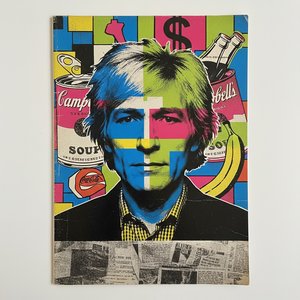
Acrylic On Canvas.

§ 1Catalogue data

Данное произведение защищено авторским правом
Произведение искусства, представленное на этой странице, защищено законом об авторском праве, что исключает возможность законного создания или продажи его точной репродукции. Данная защита обеспечивается международными соглашениями, такими как Бернская конвенция и национальным законодательством, включая положения, изложенные в Закон США об авторском праве — Раздел 17.
В качестве достойной и законной альтернативы мы предлагаем авторские картины ручной работы, вдохновленные оригиналом. Наши опытные профессиональные художники тщательно изучают стиль, настроение и художественную суть оригинала, чтобы создать новое, уникальное произведение, которое вызывает те же чувства, оставаясь при этом самостоятельным оригинальным творением.
Этот метод полностью соответствует нормам авторского права, так как он не предполагает копирования или дублирования защищенного произведения. Напротив, это творческая реинтерпретация — создание новой картины, которая вдохновлена оригиналом, но не является его точной копией.
 Подробнее
§ 2Abstract
Описание предмета
Explore Andy Warhol's iconic Pop Art (1928-1987) – silkscreens of Marilyn, Campbell’s Soup Cans & celebrity culture. Discover his lasting impact on art.
Биография художника
Энди Уорхол – новатор поп-арта, гений рекламы и знаменитостей. Его шедевры: банки с супом, Мэрилин Монро. Икона американской культуры и искусства.
§ 3Commentary
A Snapshot of Pop Art Iconography: Warhol’s “untitled (8717)”
Andy Warhol's "untitled (8717)" stands as a deceptively simple yet profoundly resonant emblem of the American Pop Art movement. Executed in 1963, this silkscreen print embodies Warhol’s signature approach – repetition and appropriation—transforming an ordinary bus into a monumental statement about image culture and consumerism. The artwork's stark palette of yellow, green, and red immediately grabs attention, mirroring the bold visual language prevalent during the era. It’s not merely a depiction; it’s an interrogation of how images dominate our perception of reality.- Subject Matter: Warhol deliberately chose a commonplace subject – a bus – elevating it to iconic status through meticulous replication. This decision wasn't accidental; Warhol sought to challenge the notion of originality, arguing that art could derive its power from referencing existing cultural symbols.
- Style & Technique: Warhol’s masterful use of silkscreen printing revolutionized artistic production. The process involved transferring ink onto a stencil, allowing for rapid and consistent reproduction – a technique perfectly suited to Warhol's fascination with mass media and industrial processes. This method ensured that the image appeared identical across multiple prints, reinforcing its impact as a symbol of reproducibility.
Historical Context: The Rise of Consumer Culture
“untitled (8717)” emerged during a period marked by unprecedented economic growth and burgeoning consumer culture in postwar America. Warhol’s artistic explorations mirrored the anxieties and aspirations of this time, reflecting both the allure and alienation inherent in embracing mass production and celebrity worship. The bus itself represents mobility, connection, and the everyday experiences that underpin societal life—themes deliberately chosen to resonate with a wider audience grappling with rapid social change.- Influence of Mass Media: Warhol’s preoccupation with advertising imagery – exemplified by Campbell's Soup Cans – directly responded to the pervasive influence of billboards, magazines, and television on American consciousness. He aimed to destabilize traditional artistic hierarchies by elevating commercial visuals to the level of high art.
- The Warhol Aesthetic: The artwork embodies Warhol’s broader aesthetic—characterized by flatness, bold colors, and a deliberate lack of illusionistic depth. This stylistic choice deliberately distanced Warhol from representational painting traditions, prioritizing visual impact over narrative complexity.
Symbolism & Emotional Resonance
Despite its apparent simplicity, “untitled (8717)” carries significant symbolic weight. The repetition of the bus image underscores Warhol’s belief that art could communicate powerful ideas through repetition and standardization. Furthermore, the vibrant colors—yellow symbolizing optimism and prosperity, green representing growth and renewal, and red conveying passion and urgency—contribute to the artwork's emotional intensity. It invites contemplation on themes of identity, conformity, and the role of images in shaping our understanding of the world. Ultimately, Warhol’s “untitled (8717)” transcends its subject matter to become a timeless meditation on the nature of art and culture—a testament to Warhol's enduring legacy as one of the most influential artists of the 20th century. Its striking visual language continues to captivate audiences today, reminding us that beauty can be found in unexpected places and that repetition can amplify meaning.Вопросы и ответы
Каков эмоциональный тон произведения «untitled (8717)», Энди Уорхол?
«untitled (8717)» вызывает Playful чувство. Эмоциональный тон описывает впечатление, которое производит произведение.
Является ли «untitled (8717)», Энди Уорхол светлой или темной работой?
Зафиксированные значения для «untitled (8717)», Энди Уорхол: яркость — brilliant, светлота — Bright Balance.
Как сочетаются техника и стиль в работе "untitled (8717)"?
«untitled (8717)» выполнено в технике Acrylic On Canvas в стиле Pop Art.


 Переключиться на печать


 Для произведений искусства или репродукций, размер которых превышает 105 см (приблизительно 41 дюйм) по любой из сторон, рама будет доставлена в разобранном виде (в виде комплекта). Этот метод обеспечивает безопасную доставку и предотвращает повреждения при транспортировке.