1879. Acrylic On Canvas, 60.0 x 81.0 cm. Национальная галерея Виктории.

§ 1Данные каталога

- 60.0 x 81.0 cm


§ 2Абстракция
Описание предмета коллекционирования
 Читать далее
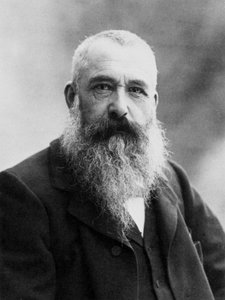
Биография художника
Откройте мир Клода Моне, мастера импрессионизма, прославленного умением запечатлеть мимолетный свет и цвет в таких знаковых пейзажах, как «Кувшинки» и «Стога».
§ 3Комментарий
A Moment Frozen in Normandy’s Light: Exploring Monet's Vétheuil
Claude Monet’s “Vétheuil,” completed in 1879, isn’t merely a depiction of a French village; it’s an embodiment of Impressionism’s core philosophy – capturing the ephemeral beauty of a single instant illuminated by shifting sunlight. Painted during Monet's prolific period in Normandy, this canvas offers a glimpse into his artistic process and reflects the profound influence of Eugène Boudin, who championed the revolutionary practice of *plein air* painting.
- Subject Matter: Vétheuil itself—a modest hamlet nestled on the Seine River—became Monet’s favored subject. He meticulously observed its architectural details – particularly Notre-Dame church – alongside the tranquil riverside landscape and the surrounding verdant hillsides, transforming them into canvases brimming with atmospheric nuance.
- Style & Technique: Vétheuil exemplifies Monet's signature Impressionist style. Loose brushstrokes are layered upon one another to create a shimmering surface that vibrates with color. The artist skillfully utilizes broken color—applying pigment in small patches rather than blending it smoothly—to mimic the way light refracts through air and onto surfaces, resulting in an illusion of movement and luminosity.
- Historical Context: Created during the Belle Époque, Vétheuil speaks to a burgeoning interest in capturing natural beauty and emotion. Monet’s decision to exclude commercial river traffic underscores his desire to portray Vétheuil as untouched by industrial progress, aligning with the broader Impressionist movement's rejection of academic conventions.
Dr Ted Gott’s analysis from “19th Century Painting and Sculpture in the International Collections of the National Gallery of Victoria” highlights the painting’s significance within the context of Impressionism, emphasizing Monet’s dedication to portraying light as it changes throughout the day. Gott notes that Vétheuil's composition—carefully framing elements while prioritizing serenity—reflects a deliberate aesthetic choice intended to evoke feelings of tranquility and contemplation.
The painting’s emotional impact is undeniable. Monet succeeds in conveying not just what Vétheuil *looked* like, but how it *felt*. The vibrant hues – predominantly greens, blues, and yellows – coalesce into an immersive experience that transports the viewer back to a specific time and place. It's a testament to Monet’s ability to translate visual observation into profound artistic expression.
- Symbolism: Beyond its picturesque scenery, Vétheuil carries symbolic weight. The church represents faith and tradition amidst the evolving landscape of modernity—a theme prevalent in Impressionist art. Furthermore, Monet's deliberate exclusion of commercial activity symbolizes a yearning for unspoiled nature and an escape from urban pressures.
Вопросы и ответы
Какой размер печати Vétheuil лучше всего подойдет для моей комнаты?
Для помещения Living Room для работы «Vétheuil» рекомендуется размер печати Large.
Когда было создано произведение «Vétheuil», Клод Моне и к какому стилю оно относится?
«Vétheuil», Клод Моне датируется 1879 годом и относится к направлению Impressionistic Landscape.
Осталось ли произведение «Vétheuil» в родной стране своего автора?
Нет — произведение находится за пределами страны проживания художника. Работа «Vétheuil» хранится в Австралия, в то время как Клод Моне родился в Франция.


 Перейти к печатным копиям


 Для произведений искусства или репродукций, размер которых превышает 105 см (приблизительно 41 дюйм) по любой из сторон, рама будет доставлена в разобранном виде (в виде комплекта). Этот метод обеспечивает безопасную доставку и предотвращает повреждения при транспортировке.