


 Предпросмотр
 Поделиться
 Поделиться
 Детали произведения

 Скачать
 Похожие работы
 Рентгенография
 Слайд-шоу
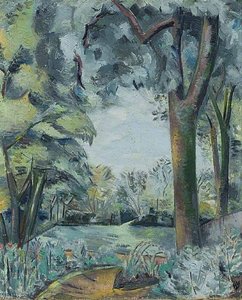
Trees, Provence
 Читать далее
Жикле / Арт-принт
Печать (жикле) или холст музейного качества с быстрыми сроками изготовления и широким выбором вариантов отделки. ( Купить картину ручной работы Купить изображение)




































Выберите один из наших стандартных размеров, соответствующих оригинальным пропорциям произведения искусства.

Вы можете указать свои собственные размеры, чтобы репродукция идеально подошла под конкретную раму или пространство. Если выбранный вами размер не будет соответствовать пропорциям оригинала, мы либо обрежем произведение, либо дополним изображение зеркальным отражением краев или однотонной заливкой. Перед началом производства вам будет отправлен цифровой макет для утверждения.
Пожалуйста, обратите внимание, что предварительный просмотр на экране не отображает фактическую обрезку или расширение изображения. Только макет точно покажет финальную композицию.
Несмотря на возможность заказа индивидуальных размеров, мы рекомендуем выбирать размер из предопределенного списка, чтобы сохранить оригинальные пропорции.
Доставка по всему миру () за 2 недели вместо стандартных 4/5 недель. (18 Август)

Бесплатная экспресс-доставка по всему миру

Высококачественный льняной холст

Полное страхование доставки

Гарантия возмещения таможенных пошлин

Гарантия точного соответствия цветов

Политика возврата в течение 60 дней (только при наличии дефектов)

Гарантия возврата 100% средств

Предложение оптовых скидок
 Вариант со стеклом доступен только для размеров менее 110 см

Trees, Provence
Жикле / Арт-принт
Размер репродукции
-


Итоговая стоимость
$ 64
Похожие произведения




Биография художника
A Life Defined by Light and Shadow
The story of Derwent Lees is one of profound resilience and a relentless pursuit of beauty amidst personal tragedy. Born Desmond Lees in the rugged landscape of Hobart, Tasmania, his early years were marked by a pivotal moment of hardship that would forever alter his physical journey. At the age of nineteen, a riding accident resulted in the amputation of his left foot, yet this physical limitation could not tether his soaring artistic spirit. Instead, it seemed to sharpen his focus on the ephemeral qualities of the world around him. Driven by an unyielding ambition, Lees moved from Australia to London in 1905, seeking the rigorous academic training that would eventually allow him to translate his inner visions onto canvas.
Enrolling at the prestigious Slade School of Fine Art, Lees entered a vibrant intellectual ecosystem. It was here that he forged enduring bonds with fellow luminaries such as Augustus John and James Dickson Innes. Together, this creative quartet sought inspiration in the dramatic landscapes of Nant Ddu, Wales, where the interplay of mist, mountain, and light became a central theme in their collective explorations. These summer retreats were more than mere painting excursions; they were crucibles of intense creative energy, allowing Lees to refine a style that balanced the delicate observations of Impressionism with a burgeoning, more expressive intensity.
The Convergence of Impressionism and Fauvism
Lees’s technical evolution is a fascinating study in the blending of disparate movements. He was deeply enamored with the Impressionist masters, particularly Monet and Sisley, adopting their reverence for the fleeting moment and the atmospheric weight of light. His canvases often capture the tranquil beauty of a sunset or the shimmering surface of a lake, utilizing loose, textured brushstrokes to evoke a sense of movement and air. However, to categorize him solely as an Impressionist would be to overlook the striking emotional depth found in his more experimental works.
As his career progressed, a Fauvist influence began to permeate his palette. He moved beyond mere observation toward a more subjective expression, utilizing jarring colors and expressive distortions to convey psychological weight. This stylistic tension—between the serene light of his landscapes and the raw, emotive power of his color choices—mirrors the duality of his own life. His work often feels as though it is caught in a struggle between the external world's tranquility and an internal, unsettling turbulence, perhaps reflecting the mental illness that would later tragically curtail his prolific career.
A Visionary on the Global Stage
The historical significance of Derwent Lees extends far beyond the borders of Australia. In 1913, he achieved a monumental milestone by becoming the sole Australian artist to participate in the groundbreaking Armory Show in New York City. This exhibition, which introduced much of the American public to the radical avant-garde movements of Europe, placed Lees at the very center of the international artistic dialogue. His presence in such a pivotal moment solidified his reputation as a visionary painter capable of navigating the complexities of modernism.
Despite the tragic conclusion of his life in 1931, the legacy of Derwent Lees remains etched in the annals of art history. His ability to weave together the following elements makes his body of work uniquely enduring:
- Atmospheric Mastery: A profound ability to capture the ephemeral qualities of light and weather.
- Stylistic Synthesis: The seamless integration of Impressionistic softness with Fauvist intensity.
- Emotional Resonance: A rare capacity to imbue landscapes with a sense of human vulnerability and psychological depth.
- International Impact: His role as a bridge between the Australian landscape tradition and the global avant-garde.
Today, when we look upon his works, such as 'Evening' or 'Lyndra, Sunset, Aldbourne', we do not merely see landscapes; we witness a soul attempting to capture the infinite within the finite, leaving behind a luminous trail of color that continues to haunt and inspire.

Derwent Lees
1884 - 1931 , Australia
Основные сведения
- Artistic Movement Or Style: Post-Impressionism
- Artists Or Movements Influenced By This Artist: ['Fauvism']
- Artists Who Influenced This Artist:
- Augustus John
- James Dickson Innes
- Date Of Birth: 1884
- Date Of Death: 1931
- Full Name: Derwent Lees
- Nationality: Australian
- Notable Artworks:
- Evening
- Lyndra, Sunset, Aldbourne
- Place Of Birth: Hobart, Australia



