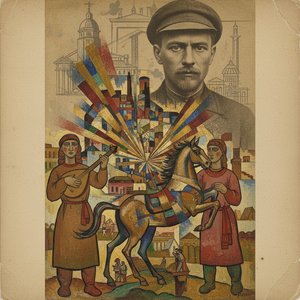
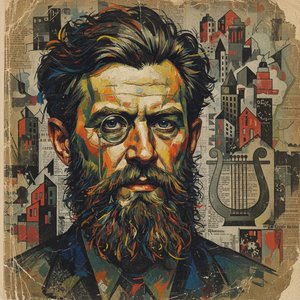
Жизнь и искусство Эль Лисицкого
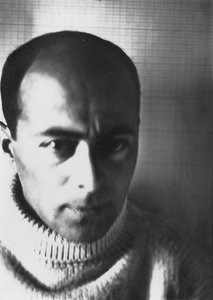
Рожденный 23 ноября 1890 года как Лазарь Маркович Лисицкий, человек, которому суждено было стать известным под именем Эль Лисицкий, вошел в мир тихих традиций в Починке. Эта небольшая еврейская община располагалась примерно в 50 километрах к юго-востоку от Смоленска в Российской империи. Его отец, Мордух Залманович Лисицкий, был человеком слова и странствий — образованный агент, свободно владевший английским и немецким языками. Эта лингвистическая широта и связь семьи с общеевропейским культурным ландшафтом со временем станут отражением экспансивной, беспокойной энергии самого художника. Кем бы его ни называли — Эль Лизаром Лисицким или Лазарем Марковичем Лисицким, — он был фигурой невероятного многообразия, отказывавшейся ограничивать себя одной техникой или одной целью.
Его творческое наследие было чем-то необъятным и неукротимым. Он был художником и иллюстратором, но также работал как дизайнер, график и фотограф. Его ум тяготел к структурности, что привело его в сферы архитектуры и строгих требований типографики. Он был человеком новой эпохи, русским и советским художником, стремившимся создать нечто осязаемое из абстрактных идей своего времени. Его жизнь представляла собой постоянное движение между ролями интеллектуального исследователя и практического мастера — дуализм, который определил его колоссальный вклад в визуальный язык двадцатого века.
Ранние годы, семья и обучение
Фундамент его жизни был заложен в маленьком российском городке Починке, однако ранние годы были отмечены постоянными перемещениями. С 1891 по 1898 год его семья жила в Витебске — месте, которое в будущем наложит глубокий отпечаток на его понимание культурной идентичности. К 1899 году он переехал в Смоленск к деду, где учился в городской школе №1. Именно в эти годы становления его врожденный талант впервые встретил формальное наставничество: в возрасте 13 лет он начал заниматься под руководством Юрия Пена — учителя, сумевшего разглядеть потенциал в юном ученике.
Амбиции часто сталкиваются с сопротивлением жестких систем. В 1909 году он пытался поступить в Санкт-Петербургскую Академию художеств, но получил отказ. Вероятно, это было следствием ограничительной еврейской квоты, установленной царским режимом — барьера, который увел его путь в сторону от традиционных российских академий. Вместо того чтобы поддаться обстоятельствам, он обратил свой взор на Германию. Он поступил в Дармштадтский политехнический институт на факультет архитектурного проектирования — дисциплину, которая навсегда привнесла структурную логику в его последующие визуальные эксперименты. Пять лет он провел там, работая каменщиком, чтобы прокормить себя, а во время каникул посещал местные еврейские исторические памятники, изучая их формы и декор.
Его пребывание в Германии определялось академической строгостью и глубоким погружением в физический мир. Он не просто изучал теорию; он полностью посвятил себя практическим аспектам строительства и дизайна. Этот период интенсивного обучения завершился в 1914 году, когда он с отличием окончил Дармштадтский политех. Он вернулся в Россию не просто как ученик художественных искусств, но как дипломированный инженер, неся в себе точное понимание пространства и структуры, которое в конечном итоге переопределит границы современного дизайна.
Супрематический период и УНОВИС
Траектория его творческого пути претерпела глубочайшую трансформацию, когда он встретил Казимира Малевича. Эта встреча вовлекла его в орбиту супрематизма — движения, стремившегося освободить искусство от всякого бремени предметности. В 1919 году пришло приглашение от Марка Шагала, предложившего ему войти в состав преподавателей Витебского народного художественного училища. Именно в этой образовательной среде он стал участником супрематической группы УНОВИС, или «Утвердителей нового искусства». Он не просто следовал проторенным путям своих коллег; напротив, он стремился раздвинуть сами границы того, чего могут достичь эти геометрические формы.
Он начал создавать самобытную серию работ, которую назвал «Проун» — термин, производный от русской фразы проект утверждения нового. Это были не просто картины, а скорее исследования того, как пространство и форма могут взаимодействовать друг с другом. Свою первую работу из цикла «Проун» он создал в 1919 году, ознаменовав начало периода, в котором он начал переплетать принципы графического искусства с архитектурным мышлением. Его творчество в эти годы эволюционировало от плоских плоскостей чистой абстракции к более сложному, трехмерному пониманию мира.
Конструктивизм и социальная вовлеченность
К 1920 году Эль Лисицкий перерос чисто духовные поиски своих ранних лет, обратившись к структурированной, целеустремленной энергии конструктивизма. Он стремился превратить художника из одинокого мечтателя в активного проводника перемен — концепция, которую он понимал как das zielbewußte Schaffen, или целесообразное созидание. Это убеждение привело его в самое сердце советской образовательной системы, где он преподавал в технических мастерских ВХУТЕМАСа бок о бок с Владимиром Татлиным. Здесь фокус сместился на то, как искусство может функционировать в современном индустриальном обществе, переходя от холста в сферу практической, социальной полезности.
Его творчество стало неразрывно связано с политическим пульсом эпохи. Он посвятил много сил проектированию выставочных экспозиций и созданию пропагандистских работ, призванных транслировать идеалы нового государства. Одним из ярких примеров стал плакат 1941 года, призывавший народ к строительству танков для борьбы с нацистской Германией. Даже в его более ранних, абстрактных композициях политический подтекст зачастую был очевиден. Его работа 1920 года, Ударьте белых красным клином, использовала острые геометрические формы для отражения напряженности того времени, представляя собой визуальную игру на антисемитском лозунге в поддержку революционного дела.
- Ударьте белых красным клином (1920)
- Советский пропагандистский плакат по строительству танков (1941)
Техника и стиль
Творческий почерк Эль Лисицкого балансировал на грани между инженерной точностью и интуицией живописца. Он стремился преодолеть разрыв между физическим миром и абстракцией, исследуя то, как технологии и человеческий опыт могут пересекаться через визуальную форму. Это наиболее ярко проявилось в его работах серии «Прун», которые представляли собой сложный синтез графического искусства, архитектурных форм, фотографии и живописи. Эти композиции не были просто статичными изображениями; они являлись глубоким исследованием пространства и структуры. Для достижения своих художественных целей он часто прибегал к литографии — технике, которая позволяла создавать долговечные оттиски и обеспечивала широчайший диапазон тональных переходов, придавая его геометрическим фигурам ощущение глубины и веса.
Его подход к дизайну отличался неустанным экспериментированием с производственными методами и стилистическими приемами, которые в конечном итоге сформировали визуальный язык XX века. Он принес свежий, новаторский взгляд в типографику, книжный дизайн и фотомонтаж, рассматривая печатную страницу как пространство для архитектурного строительства. Даже принимая радикальную геометрию авангарда, его работы сохраняли незримую связь с корнями: он вплетал элементы традиционной еврейской типографики, искусства и архитектуры в свои модернистские композиции. Это сочетание древнего и индустриального позволяло ему мастерски преодолевать напряжение между культурной памятью и стремительным ритмом меняющегося общества.
Международная деятельность и культурный обмен
Границы русского авангарда не могли сдержать его неукротимый дух. В период с 1921 по 1925 год он странствовал по самому сердцу Европы, прокладывая свой путь через Париж, Бельгию, Италию и Швейцарию. В эти годы пребывания за границей он выступал в роли культурного посла Веймарской республики, перенося радикальные идеи своей родины на Запад. Он не просто наблюдал за этими иностранными ландшафтами; он активно формировал их визуальный дискурс, внося свой вклад в художественные журналы и издавая книги, которые бросали вызов традиционным способам восприятия. Его присутствие в этих интеллектуальных центрах гарантировало, что энергия революции будет ощущаться далеко за пределами границ Советского Союза.
Его работа в Берлине имела особое значение. В 1922 году он разработал оформление выставки конструктивистов в Galerie van Diemen — проект, который представил структурную логику его движения новой аудитории. Этот период интенсивного обмена был отмечен сотрудничеством, объединявшим различные художественные круги. В 1924 году он работал с Куртом Швиттерсом над периодическим изданием Merz — этот союз позволил синтезировать различные подходы к графическому дизайну и композиции. Благодаря этим связям его влияние стало распространяться еще дальше. Он встретил Ласло Мохой-Надя, и эта встреча оказалась жизненно важной: Мохой-Надь помог перенести его концепции через всю Западную Европу и в Соединенные Штаты, обеспечив укоренение его идей в зарождающемся модернизме Запада.
Последние годы и смерть
Последние годы жизни Эль Лисицкого прошли под тяжелой тенью глобального конфликта и личной немощи. В то время как мир погружался в хаос войны, его внимание оставалось неразрывно связанным с социальными и политическими реалиями его эпохи. Даже когда здоровье начало подводить его, он продолжал создавать работы, отвечающие на насущные запросы государства. В 1941 году он создал советский пропагандистский плакат, призывающий к строительству новых танков для борьбы с нацистским вторжением в Россию. Это последнее усилие стало отражением его преданности практическому применению искусства, даже когда сами социальные структуры, которые он стремился перестроить, оказались под угрозой войны.
Борьба с болезнью в конечном итоге взяла свое. Эль Лисицкий скончался от туберкулеза в Москве 30 декабря 1941 года. На момент смерти ему было 51 год. Его уход из жизни совпал с началом вторжения в его страну — периодом колоссальных потрясений, который ознаменовал конец его творческого пути. Он оставил после себя наследие в области дизайна и абстракции, которое уже успело пересечь множество границ, но его собственная жизнь была прервана на пересечении биологических и исторических сил.
Наследие и непреходящее влияние
Волны его творческой энергии разошлись далеко за пределы Советского Союза, затронув сами основы Баухауса и конструктивистских движений. Он не просто писал картины; он переосмыслил то, как человек взаимодействует с окружающим пространством и теми смыслами, которые он потребляет. Его эксперименты с типографикой и рекламой трансформировали саму структуру подачи информации, превращая печатную страницу в динамичное поле сил. Через свои выставочные решения он научил зрителя тому, что среда может быть структурированным опытом, а не просто статичным набором объектов в комнате.
Это видение искусства как инструмента социальной и визуальной трансформации продолжает формировать наше сегодняшнее понимание коммуникации. Его способность преодолевать разрыв между абстрактным и функциональным заложила фундамент для целых поколений дизайнеров. Чтобы сохранить эту историю в неприкосновенности, в 2014 году наследниками художника, музеем Ван Аббемузеум и рядом ученых был основан Фонд Лисицкого. Эта инициатива бережно хранит его сложную биографию и гарантирует, что его исследования формы и пространства останутся доступными для тех, кто изучает эволюцию современного дизайна.
Где можно увидеть его работы сегодня
Материальные следы его видения разбросаны по многим континентам, хранятся в стенах институций, стремившихся сберечь радикальную энергию начала двадцатого века. В Лиссабоне Museu Coleção Berardo представляет значительную часть его наследия, в его фондах находятся шесть работ мастера. По другую сторону Атлантики коллекции в Нью-Йорке предлагают два уникальных способа прикоснуться к его творческому пути: Музей современного искусства (MoMA) хранит две работы, в то время как в Еврейском музее находится пять произведений. Эти работы позволяют зрителю проследить эволюцию его графического и абстрактного языка в контексте крупнейших международных коллекций.
Его влияние по-прежнему глубоко укоренено в Европе и России. В эссенском Музее Фолькванг хранится одна работа — безмолвное напоминание о его присутствии в немецком художественном ландшафте. В России творческий почерк Эль Лисицкого ощущается в Таганрогском художественном музее и Новокузнецком художественном музее, где бережно хранятся его вклад в авангард. Эти разнообразные сокровищницы гарантируют, что его эксперименты с пространством и формой продолжат изучаться теми, кто прослеживает историю современного дизайна.


 Читать далее


 Перейти к печатным копиям


 Для произведений искусства или репродукций, размер которых превышает 105 см (приблизительно 41 дюйм) по любой из сторон, рама будет доставлена в разобранном виде (в виде комплекта). Этот метод обеспечивает безопасную доставку и предотвращает повреждения при транспортировке.