


 Примерить в интерьере
 Отправить
 Поделиться
 Подробнее
 Руководство

 Скачать
 Похожие объекты
 Рентгенография
 Слайд-шоу
 Q&A
Q&A Статистика
untitled (5500)

 Развернуть текст
Жикле / Арт-принты
Печать (жикле) или холст музейного качества с быстрыми сроками изготовления и широким выбором вариантов отделки. ( Заказать репродукцию ручной работы Перейти к цифровым изображениям)




P118B $10

P118H $10

P118W $10

P438Z $10

P508JH $12

P508YH $12

P805H $10

P805Z $10

P919BZ $10

P919G $10

P919XJ $10

P959ZH $10

P968JZ $12

W106C $8

W218G $10

W218JH $8

W218Y $10

W307PJ $10

W316G $10

W316PJ $8

W316Y $10

W398PJ $8

W4111J $10

W500HY $15

W500JH $15

W692G $12

W849H $8

W940BG $15

W953PJ $8




Выберите один из наших стандартных размеров, соответствующих оригинальным пропорциям произведения искусства.

Введите необходимую ширину и высоту, чтобы репродукция подошла к вашей раме или стене. При печати изображение можно только уменьшить, но нельзя увеличить больше оригинала, поэтому при выборе другого формата часть изображения может быть обрезана. Перед печатью мы отправим вам цифровой макет на утверждение. Изображение на этой странице не отображает реальную обрезку — ее можно увидеть только на макете.
Доставка по всему миру () за 2 недели вместо стандартных 4–5 недель. (30 Октябрь)

Бесплатная экспресс-доставка по всему миру

Высококачественный льняной холст

Полное страхование при транспортировке

Гарантия возврата таможенных пошлин

Гарантия точного цветового соответствия

100-дневный период возврата (только при обнаружении дефектов)

Гарантия возврата 100% средств

Скидка при заказе нескольких работ
 Вариант со стеклом доступен только для размеров менее 110 см

untitled (5500)
Жикле / Арт-принты
Размер репродукции
-


Итоговая стоимость
$ 64
A Window into Tudor Intrigue: Hans Holbein’s “Untitled (5500)”
Hans Holbein the Younger's "Untitled (5500)" is not merely a group portrait; it’s a meticulously crafted tableau of power, faith, and subtle symbolism—a frozen moment within the opulent world of 16th-century England. This remarkable painting, depicting Jesus surrounded by his disciples at a shared meal, transcends simple representation to offer a profound glimpse into the political and religious currents of its time. The sheer scale of the composition – an unknown size but undoubtedly commanding – immediately draws the viewer in, inviting them to become part of this intimate scene. Holbein’s mastery is evident not just in his astonishingly realistic depiction of each figure, but also in the way he uses light and shadow to create a palpable sense of depth and atmosphere, reminiscent of the masterful works of Jan van Eyck.
The painting unfolds around a richly appointed dining table, laden with bowls, knives, and various instruments of learning – a deliberate arrangement that speaks volumes about the intellectual climate of the Tudor court. Three bowls are strategically placed, hinting at shared sustenance and fellowship, while the knife suggests both practicality and perhaps, a subtle undercurrent of tension. The figures themselves are rendered with an almost unsettling level of detail; each face is etched with individual character, reflecting not just likeness but also personality and status. The seated disciples, ranging from the youthful to the seasoned, embody a diverse group united by their devotion to Jesus. Notably, Jesus himself is positioned at the head of the table, asserting his central role within this community.
Renaissance Realism and Psychological Depth
Holbein’s artistic genius lies in his ability to capture not just outward appearances but also the inner lives of his subjects. This painting exemplifies his signature style – a blend of meticulous observation and psychological insight. He was renowned for his portraits, particularly those commissioned by Henry VIII and Anne Boleyn, and this work demonstrates his skill at conveying character through subtle gestures, expressions, and clothing choices. The use of oil paints allowed him to achieve an unprecedented level of detail and luminosity, capturing the textures of fabrics, the sheen of metal, and the nuances of skin tones with remarkable accuracy.
The technical brilliance is further enhanced by Holbein’s innovative approach to perspective and composition. He masterfully employs atmospheric perspective – creating a sense of distance through variations in color and detail – to draw the viewer's eye into the scene. The arrangement of figures around the table, with Jesus at its center, establishes a clear hierarchy while simultaneously fostering a feeling of intimacy and shared experience. It’s a carefully orchestrated visual narrative that invites contemplation.
Symbolism and Historical Context
Beyond its aesthetic qualities, “Untitled (5500)” is rich in symbolic meaning. The inclusion of scientific instruments – globes, sundials, and quadrants – reflects the burgeoning interest in astronomy and navigation during the Renaissance, a period marked by both exploration and intellectual curiosity. The reference to Rome through the Cosmati pavement pattern, likely incorporated as a gift for Anne Boleyn, subtly alludes to the political tensions between England and the Papal States. The lute with its broken string is a potent symbol of discord, perhaps representing the religious divisions that were fracturing Europe at the time.
The presence of Martin Luther’s hymnbook, open on facing pages referencing Law and Grace, adds another layer of complexity to the painting's interpretation. It suggests a dialogue between faith and reason, tradition and reform – themes that were central to the Protestant Reformation. Even the seemingly simple act of sharing a meal becomes imbued with significance, representing not just sustenance but also fellowship, community, and spiritual nourishment.
A Timeless Masterpiece: Reproduction Possibilities
AllPaintingsStore offers meticulously crafted hand-painted reproductions of Hans Holbein’s “Untitled (5500),” allowing you to bring this extraordinary artwork into your home or office. Our skilled artisans replicate Holbein's intricate details, vibrant colors, and atmospheric depth with unparalleled precision. Whether you are an art collector, a design enthusiast, or simply someone who appreciates the beauty of Renaissance art, our reproduction provides a stunning and authentic representation of this iconic masterpiece. Explore the available sizes and canvas options to find the perfect way to experience the power and allure of “Untitled (5500).”
Вопросы и ответы
Является ли произведение «untitled (5500)», Ханс Хольбайн Младший светлым или темным?
Воспринимаемая яркость произведения «untitled (5500)», Ханс Хольбайн Младший составляет balanced. Она может гармонировать с освещением в предназначенном для него пространстве.
Какому художнику приписывают работу «untitled (5500)»?
«untitled (5500)» был создан Ханс Хольбайн Младший. Информация на этой странице описывает оригинальную работу Ханс Хольбайн Младший.
Кто продает написанные вручную копии «untitled (5500)», Ханс Хольбайн Младший?
Вы можете заказать написанную вручную репродукцию работы «untitled (5500)», Ханс Хольбайн Младший прямо на её странице Репродукция маслом ручной работы: репродукция маслом ручной работы на льняном холсте, изготовленную по индивидуальному заказу.
Похожие произведения


Биография художника
Жизнь, запечатленная в деталях: мир Ганса Гольбейна Младшего
Родившись около 1497 года в оживленном художественном центре Аугсбурге, Германия, Ганс Гольбейн Младший стал определяющей фигурой Северного Возрождения — мастером портрета, чьи работы по сей день поражают захватывающим реализмом и психологической глубиной. Его воспитание в артистически одаренной семье заложило фундамент его исключительного таланта; его отец, Ганс Гольбейн Старший, был уважаемым живописцем и гравюром, который привил юному Гансу тщательный подход к наблюдению и технике. Это раннее обучение заключалось не просто в освоении мазков кисти или смешивании пигментов — оно заключалось в умении *видеть*, способности запечатлеть не только внешнее сходство, но и саму суть предмета. Первые творческие поиски Гольбейна проходили в мастерской его отца, где он оттачивал свое мастерство, прежде чем отправиться в путешествие, которое проведет его через Швейцарию и, в конечностью, в самое сердце английского двора.Из Базеля к двору Тюдоров: восходящая звезда
Завершив обучение, Гольбейн много путешествовал по Швейцарии, утверждая себя как независимый художник с растущей репутацией. Несколько важных лет он провел в Базеле, создавая не только поразительные портреты, но и религиозные произведения, а также сложные гравюры на дереве — наиболее известной из которых стала пугающая серия «Пляска смерти». Эти ранние работы демонстрируют зарождающееся мастерство композиции и развивающееся увлечение передачей сложности человеческих эмоций. В 1526 году вмешалась судьба, направив Гольбейна в Англию — событие, которое безвозвратно изменило его творческую траекторию. Он прибыл с рекомендательным письмом от Эразма Роттердамского, знаменитого ученого-гуманиста, что открыло ему двери в влиятельные круги английского общества. Его талант быстро покорил видных деятелей, таких как сэр Томас Мор, ставший одновременно и меценатом, и моделью для нескольких захватывающих портретов. Эта связь оказалась решающей, приведя к назначению Гольбейна придворным живописцем короля Генриха VIII в 1536 году — должность, которую он занимал, с некоторыми перерывами, до своей преждевременной смерти в 1543 году.Искусство восприятия: стиль и шедевры
Художественный стиль Гольбейна характеризуется необычайной преданностью реализму, достигнутой благодаря кропотливому вниманию к деталям при передаче текстур, тканей и тончайших нюансов черт лица. Он не просто *писал* портреты; он тщательно выстраивал их, слой за слоем, улавливая не только физическую внешность, но и личность и внутреннюю жизнь своих моделей. Его новаторские композиции еще больше усиливали воздействие его работ, часто используя символические объекты или фоны для передачи более глубокого смысла. «Послы» (1533) служат свидетельством этого подхода — сложный и символически богатый двойной портрет, демонстрирующий как технический блеск Гольбейна, так и его интеллектуальную глубину. Анаморфный череп, тонко вписанный в картину, служит суровым *memento mori*, напоминающим зрителям о неизбежности смерти. Его многочисленные портреты Генриха VIII создали непреходящий образ власти Тюдоров, в то время как его изображение Эразма Роттердамского передает глубокий интеллектуальный авторитет ученого. Другие заметные работы включают потрясающий «Портрет Николауса Кратцера» (1лось28) — шедевр реализма и научной детализации.Наследие и влияние: неизгладимый след
Творческий путь Гольбейна сформировался под влиянием слияния различных традиций, сочетая точность немецкого искусства с композиционными принципами итальянского Возрождения. Он восхищался работами Альбрехта Дюрера и других немецких мастеров, одновременно изучая итальянское искусство во время своих путешествий, впитывая их техники и внедряя их в свой уникальный стиль. Его наследие глубоко; портреты Гольбейна установили новый стандарт реализма и психологической проницательности в портретном жанре, повлияв на целые поколения последующих художников. Его изображения ключевых фигур эпохи Тюдоров дают бесценное представление о жизни и характерах тех, кто формировал английскую историю. Он не просто фиксировал внешность — он улавливал мгновения времени, сохраняя их для потомков. Его творчество служит мощным свидетельством непреходящей способности искусства документировать, интерпретировать и проливать свет на прошлое.Последний мазок: историческая значимость
Ганс Гольбейн Младший скончался в Лондоне в 1543 году, оставив после себя наследие, которое продолжает очаровывать публику столетия спустя. Его портреты — это больше, чем просто красивые изображения; это исторические документы, предлагающие возможность заглянуть в политические интриги, религиозные потрясения и культурные сдвиги эпохи Тюдоров.- Его изображения Генриха VIII стали каноническими репрезентациями королевской власти.
- Его портретная живопись служит окном в жизнь выдающихся гуманистов, таких как Эразм и Мор.
- Его новаторское использование символизма добавляет многослойность смысла его работам, приглашая зрителей к размышлению над глубокими темами.
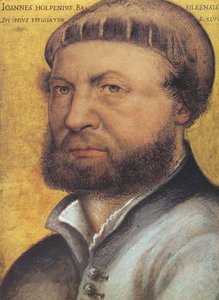
Ханс Хольбайн Младший
1497 - 1543 , Германия
Краткая справка
- Artistic Movement Or Style: Северное Возрождение
- Artists Or Movements Influenced By This Artist: ['Более поздние портретисты']
- Artists Who Influenced This Artist: ['Альбрехт Дюрер']
- Date Of Birth: c. 1497
- Date Of Death: October or November 1543
- Full Name: Hans Holbein der Jüngere
- Nationality: Германия и Швейцария
- Notable Artworks: ['«Портрет Эразма Роттердамского», «Сэр Брайан Тюк», «Великое произведение искусства эпохи Тюдоров! Портрет Томаса Ховарда, 3-го герцога Норфолка от Ханса Гольбеинца']
- Place Of Birth: Augsburg, Германия
Похожие статьи

Aesthetic Gastronomy: The Role of Curated Art Collections in Shaping Perceptions of Michelin-Starred Dining Experiences
Discover how curated art collections elevate Michelin-starred dining experiences. Expert insights on sensory branding, emotional intelligence & ROI for luxury restaurants and hotels. Transform your space with AllPaintingsStore.

Визуальная гастрономия: Кураторство художественного опыта в ресторанах – от бара до обеденного зала
Создайте незабываемый ресторанный опыт с помощью профессионального арт-кураторства! Узнайте о концептуальном дизайне, интеграции искусства в меню и выборе произведений для бара, лаунжа и обеденного зала. Советы экспертов.

Палитра и Вкус: Исследование Психологического Воздействия Визуального Дизайна на Восприятие Пищи и Аппетит
Исследуйте психологию восприятия пищи! Узнайте, как цвет, свет и композиция влияют на аппетит и вкус. Экспертные советы для ресторанов и любителей кулинарии.

Cultivating Ambiance: Selecting Art Reproductions for the Dining Room – A Historical & Aesthetic Guide
Elevate your dining room with expertly curated art reproductions! Explore historical context, aesthetic considerations & modern applications for a captivating space. Discover the perfect artwork to inspire conversation and enhance every meal.

Hans Holbein the Younger: A Renaissance Portraitist's Mastery of Realism & Psychological Insight
Explore the life & art of Hans Holbein the Younger, a Renaissance master renowned for his strikingly realistic portraits and psychological insight. Discover iconic works like 'The Ambassadors' and delve into his lasting legacy.


