

Oil On Canvas.

§ 1Catalogue data


Данное произведение защищено авторским правом
Произведение искусства, представленное на этой странице, защищено законом об авторском праве, что исключает возможность законного создания или продажи его точной репродукции. Данная защита обеспечивается международными соглашениями, такими как Бернская конвенция и национальным законодательством, включая положения, изложенные в Закон США об авторском праве — Раздел 17.
В качестве достойной и законной альтернативы мы предлагаем авторские картины ручной работы, вдохновленные оригиналом. Наши опытные профессиональные художники тщательно изучают стиль, настроение и художественную суть оригинала, чтобы создать новое, уникальное произведение, которое вызывает те же чувства, оставаясь при этом самостоятельным оригинальным творением.
Этот метод полностью соответствует нормам авторского права, так как он не предполагает копирования или дублирования защищенного произведения. Напротив, это творческая реинтерпретация — создание новой картины, которая вдохновлена оригиналом, но не является его точной копией.
 Подробнее
§ 2Abstract
Описание предмета
The painting embodies Rothko's signature style – monumental blocks of color layered upon each other to evoke profound emotional resonance. Its dominant hues of red and blue aim to capture the essence of human experience, inviting contemplation on themes of passion and sorrow.
Биография художника
Исследуйте культовые картины Марка Ротокского в стиле Цветной Поле и Абстрактного Экспрессионизма! Откройте для себя эмоциональную глубину и неизгладимое наследие этого выдающегося современного художника.
§ 3Commentary
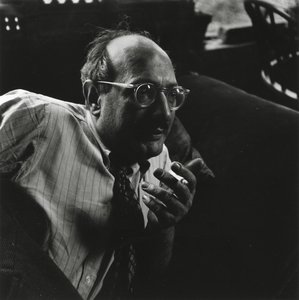
Mark Rothko: Exploring Grief Through Color
Mark Rothko’s paintings stand as monuments to profound sorrow—a testament to the artist's own personal struggles and an enduring reflection of the human condition. Born Markus Yakovlevich Rothkowitz in Dvinsk, Latvia, in 1903, he navigated a childhood steeped in displacement and loss, experiences that would irrevocably inform his artistic vision.
Early Life and Artistic Roots: Rothko’s formative years were marked by the anxieties of a Jewish family residing within the Pale of Settlement. Pogroms and political instability instilled a deep empathy for suffering—a sensitivity that would become central to his artistic exploration. The 1913 emigration to Portland, Oregon, represented not merely a geographical relocation but a cultural collision for the young Rothko, shaping him as he embraced new ideas and perspectives.
The Rise of Color Field Painting: Rothko emerged as a pivotal figure in the burgeoning Color Field movement of the 1940s and 50s. Rejecting traditional representational art, he championed an approach that prioritized pure color—vast expanses of pigment applied to canvas without discernible imagery. This stylistic choice wasn’t arbitrary; it was deliberately conceived as a vehicle for conveying emotion directly, bypassing intellectual mediation.
- Style: Color Field Painting – Characterized by large blocks or rectangles of color that dominate the composition.
- Technique: Thickly applied paint—often layered multiple times—creating a palpable textural surface.
- Materials: Canvas stretched taut over wooden frames; oil paints mixed with mediums to achieve desired consistency and luminosity.
Symbolism of Grief and Transcendence: Rothko’s canvases are imbued with potent symbolism. The muted hues—primarily reds, yellows, and blues—are not intended to depict specific objects or scenes but rather to evoke feelings of grief, vulnerability, and spiritual yearning. Critics have interpreted the overlapping rectangles as representing the merging of individual consciousnesses into a unified whole—a visual metaphor for confronting mortality and achieving transcendence.
Emotional Resonance: Viewing Rothko’s paintings is an experience akin to entering a meditative space. The sheer scale of the canvases compels contemplation, inviting viewers to immerse themselves in the artist's emotional landscape. Rather than offering answers or judgments, Rothko’s work prompts introspection—encouraging us to confront our own anxieties about existence and to appreciate the beauty inherent in confronting difficult truths.
Legacy: Rothko’s influence extends far beyond the Color Field movement, shaping generations of artists who followed him. His unwavering commitment to exploring profound emotional themes continues to inspire creativity and provoke dialogue—solidifying his place as one of the most significant figures in 20th-century art.
Вопросы и ответы
Для каких целей и в каком интерьере рекомендуется использовать «Untitled 21»?
Рекомендуется использовать «Untitled 21», Марк Ротко для Accent, в идеале — в помещении типа Living Room. Сочетание способа использования и пространства поможет определить, где именно будет уместна репродукция.
Насколько известна работа «Untitled 21» автора Марк Ротко?
«Untitled 21» классифицируется как Legendary.
К какому периоду творчества Марк Ротко относится произведение «Untitled 21»?
В рамках творчества Марк Ротко работа «Untitled 21» относится к периоду Mature Period. Этот этап позволяет сопоставить её с другими произведениями художника.


 Переключиться на печать


 Для произведений искусства или репродукций, размер которых превышает 105 см (приблизительно 41 дюйм) по любой из сторон, рама будет доставлена в разобранном виде (в виде комплекта). Этот метод обеспечивает безопасную доставку и предотвращает повреждения при транспортировке.


