Предпросмотр
 Поделиться
 Поделиться
 Детали произведения

 Скачать
 Похожие работы
 Рентгенография
 Слайд-шоу
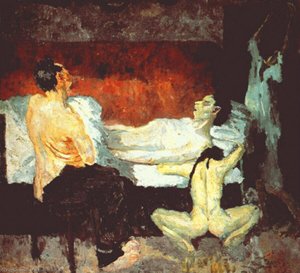
Day and Dream. Magic Mirror
 Acrylic On Canvas
- WallArt
- Expressionist Modernism
 1946
1946- Early Modern
 31.0 x 22.0 cm
 Читать далее
Жикле / Арт-принт
Печать (жикле) или холст музейного качества с быстрыми сроками изготовления и широким выбором вариантов отделки. ( Купить картину ручной работы Купить изображение)




P118B $10

P118H $10

P118W $10

P438Z $10

P508JH $12

P508YH $12

P805H $10

P805Z $10

P919BZ $10

P919G $10

P919XJ $10

P959ZH $10

P968JZ $12

W106C $8

W218G $10

W218JH $8

W218Y $10

W307PJ $10

W316G $10

W316PJ $8

W316Y $10

W398PJ $8

W4111J $10

W500HY $15

W500JH $15

W692G $12

W849H $8

W940BG $15

W953PJ $8




Выберите один из наших стандартных размеров, соответствующих оригинальным пропорциям произведения искусства.

Вы можете указать свои собственные размеры, чтобы репродукция идеально подошла под конкретную раму или пространство. Если выбранный вами размер не будет соответствовать пропорциям оригинала, мы либо обрежем произведение, либо дополним изображение зеркальным отражением краев или однотонной заливкой. Перед началом производства вам будет отправлен цифровой макет для утверждения.
Пожалуйста, обратите внимание, что предварительный просмотр на экране не отображает фактическую обрезку или расширение изображения. Только макет точно покажет финальную композицию.
Несмотря на возможность заказа индивидуальных размеров, мы рекомендуем выбирать размер из предопределенного списка, чтобы сохранить оригинальные пропорции.
Доставка по всему миру () за 2 недели вместо стандартных 4/5 недель. (19 Август)

Бесплатная экспресс-доставка по всему миру

Высококачественный льняной холст

Полное страхование доставки

Гарантия возмещения таможенных пошлин

Гарантия точного соответствия цветов

Политика возврата в течение 60 дней (только при наличии дефектов)

Гарантия возврата 100% средств

Предложение оптовых скидок
 Вариант со стеклом доступен только для размеров менее 110 см

Day and Dream. Magic Mirror
Жикле / Арт-принт
Размер репродукции
-


Итоговая стоимость
$ 64
Описание предмета коллекционирования
Max Beckmann's "Day and Dream. Magic Mirror" – A Study in Disquiet
This meticulously crafted hand-painted reproduction of Max Beckmann’s “Day and Dream. Magic Mirror” (1946) offers a profound glimpse into the artist’s intensely personal and psychologically charged vision. Executed on archival quality paper with exacting attention to detail, this artwork transcends mere representation; it is an exploration of identity, reflection, and the unsettling nature of perception itself. Beckmann, born in Leipzig in 1884, was a pivotal figure in 20th-century art, moving from early academic training to a powerfully expressive style marked by distortion and fragmentation – a direct response to his experiences during World War I.
- Subject Matter: The scene depicts a solitary woman confronting her reflection within a mirror. This seemingly simple composition is layered with complex symbolism, inviting viewers to contemplate the nature of self-awareness and the potential for illusion.
- Style & Technique: Beckmann’s technique is characterized by bold lines, flattened perspective, and a deliberate rejection of traditional realism. The use of stark black and white amplifies the emotional intensity, creating a sense of claustrophobia and unease. Notice the meticulous rendering of textures – the smooth surface of the mirror contrasting with the rough fabric of the chairs – adding to the artwork’s tactile quality.
Historical Context & Beckmann's Vision
Created in 1946, “Day and Dream. Magic Mirror” emerged from a period of profound upheaval in Europe following World War II. Beckmann’s artistic trajectory was deeply influenced by the trauma of war and his experiences as a medical orderly during the conflict. This led to a shift in his style – moving away from representational accuracy towards a more subjective and emotionally driven approach. His work echoes the anxieties and uncertainties of the post-war era, reflecting a fractured sense of reality and a questioning of established values. Beckmann’s artistic lineage is equally significant; he drew inspiration from medieval stained glass, particularly the symbolic imagery found in Bosch and Grünewald, alongside influences from Cézanne, Van Gogh, Blake, Rembrandt, and Rubens – creating a unique synthesis that anticipates both Expressionism and Surrealism.
- Medieval Symbolism: The mirror itself is a potent symbol, harking back to medieval iconography where mirrors were often associated with divine revelation and the soul’s journey.
- Expressionist Roots: Beckmann's distortion of form anticipates the key tenets of Expressionism, prioritizing emotional impact over objective representation.
Symbolic Layers & Emotional Resonance
The inclusion of two additional figures – one on either side of the woman – adds another layer of complexity to the scene. These ambiguous presences could represent memories, anxieties, or perhaps even distorted versions of the self. The dining table, a recurring motif in Beckmann’s work, suggests themes of social interaction and isolation. The overall effect is deeply unsettling, prompting viewers to confront uncomfortable questions about identity, perception, and the fragility of human experience. “Day and Dream. Magic Mirror” isn't merely a depiction; it’s an invitation to engage with the darker aspects of the human psyche.
- The Mirror as Metaphor: The mirror serves as a powerful metaphor for self-reflection, but also for the potential for deception and illusion.
- Emotional Impact: This artwork evokes feelings of melancholy, introspection, and perhaps even a sense of dread – qualities that have long defined Beckmann’s most compelling works.
Perfect for Interior Design & Art Collection
This hand-painted reproduction of “Day and Dream. Magic Mirror” is more than just a beautiful image; it's an investment in art history and a statement of sophisticated taste. Its compact size (31 x 22 cm) makes it ideal for a variety of settings, from a study or bedroom to a gallery wall. The high-quality materials and meticulous craftsmanship ensure that this reproduction will retain its beauty and value for years to come. Bring the profound vision of Max Beckmann into your home or office – a timeless piece that continues to challenge and inspire.
Похожие произведения


Биография художника
early life and artistic development
Макс Эрнст был рожден в Лейпциге, Германия, 12 февраля 1884 года. Его художественное путешествие началось с академически правильных изображений, которые впоследствии трансформировались в искаженные фигуры и пространства, отражая его измененное видение человечества после службы медицинским санитаром Первой мировой войны. Искусственный стиль Макса Эрнста был вдохновлен образами средневековых витражей и различными художниками, включая Кэзанне, Ван Гога, Блэка, Рембранда и Рубенса. Он также черпал вдохновение из северных европейских художников позднего Средневековья и раннего Возрождения, таких как Бош, Брюггель и Маттиас Грюнев Wald.
artistic style and influences
Стиль Макса Эрнста был вдохновлен образами средневековых витражей и различными художниками, включая Кэзанне, Ван Гога, Блэка, Рембранда и Рубенса. Он также черпал вдохновение из северных европейских художников позднего Средневековья и раннего Возрождения, таких как Бош, Брюггель и Маттиас Грюнев Wald.
notable works and exhibitions
Наиболее известными работами Макса Эрнста являются «Европа после дождя II», где использована сюрреалистическая палитра и фантастический пейзаж. Идеальный выбор для любителей искусства и интерьера! Также стоит отметить его автопортрет в тунике, который был приобретен в 1928 году.
later life and exile
Судьбы Макса Эрнста изменились с приходом к власти Адольфа Гитлера, что привело к его увольнению из Франкфуртской школы искусств и конфискации более 500 его работ. Он жил в самоизгнании Амстердамом на протяжении десяти лет, не сумев получить визу для США.
legacy
Макс Эрнст преподавал в художественных школах Университета Вашингтона в Сент-Луисе и Музея Бруклина. Его первая ретроспектива прошла в США в 1948 году в Музее города Сент-Луис и Макс-Слевготт галерею, Германия, где представлена коллекция его работ.

Макс Бекманн
1884 - 1950 , Германия
Основные сведения
- Artistic Movement Or Style: Expressionism
- Artists Or Movements Influenced By This Artist: ['Rembrandt']
- Artists Who Influenced This Artist:
- Georges Seurat
- Vincent van Gogh
- Date Of Birth: February 12, 1884
- Date Of Death: December 27, 1950
- Full Name: Max Carl Friedrich Beckmann
- Nationality: German
- Notable Artworks:
- The Bark
- Self-Portrait in Tuxedo
- Place Of Birth: Leipzig, Germany
Похожие статьи

Белые шедевры: 10 знаменитых картин, покоривших мир (репродукции, декор)
Откройте для себя 10 знаменитых картин, где белый цвет – главный герой! Моне, Дега и другие мастера. История искусства, техники живописи и вдохновение для вашего интерьера. Репродукции высокого качества на AllPaintingsStore.com

Топ-10 знаменитых картин в черных тонах: шедевры искусства для вашего интерьера
Погрузитесь в мир темных шедевров! Топ-10 знаменитых картин в черных тонах от Гойи, Рембрандта и Мунка. История искусства, техники живописи и вдохновение для вашего интерьера. Купите репродукции высокого качества на AllPaintingsStore.com

Giclée Prints: Archival Quality & Aesthetic Nuances for the Discerning Collector
Explore the world of giclée prints with AllPaintingsStore. Learn about archival quality, aesthetic nuances & investment potential. Expert guidance for discerning art collectors seeking museum-quality reproductions and lasting value.

Beyond Color: The Timeless Power and Artistry of Black and White Photography
Explore the profound artistry of black and white photography. From the chemistry of gelatin silver to the chiaroscuro of the Old Masters, discover how monochrome captures the eternal essence of light, form, and emotion for the discerning art collector.
Monochrome Visions: Exploring the Aesthetic & Historical Significance of Black & White Photography
Explore the rich history & artistic power of black and white photography. From early techniques to iconic masters like Ansel Adams, discover why monochrome continues to captivate art lovers today. Expert insights for collectors.