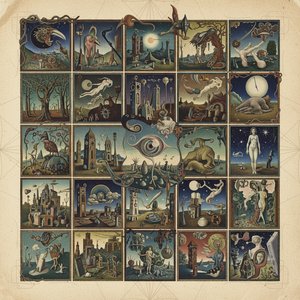
1923. Oil On Canvas.

§ 1Данные каталога


Данное произведение защищено авторским правом
Произведение искусства, представленное на этой странице, защищено законом об авторском праве, что исключает возможность законного создания или продажи его точной репродукции. Данная защита обеспечивается международными соглашениями, такими как Бернская конвенция и национальным законодательством, включая положения, изложенные в Закон США об авторском праве — Раздел 17.
В качестве достойной и законной альтернативы мы предлагаем авторские картины ручной работы, вдохновленные оригиналом. Наши опытные профессиональные художники тщательно изучают стиль, настроение и художественную суть оригинала, чтобы создать новое, уникальное произведение, которое вызывает те же чувства, оставаясь при этом самостоятельным оригинальным творением.
Этот метод полностью соответствует нормам авторского права, так как он не предполагает копирования или дублирования защищенного произведения. Напротив, это творческая реинтерпретация — создание новой картины, которая вдохновлена оригиналом, но не является его точной копией.
 Узнать больше
§ 2Абстракция
Описание предмета коллекционирования
Max Ernst's 'At the First Clear Word' (1923) is a surreal masterpiece blending dreamlike landscapes with symbolic elements like apples and plants. Explore its enigmatic composition and connection to Dada & Surrealism.
Биография художника
Макс Эрнст (1891-1976) – пионер дадаизма и сюрреализма! Откройте для себя его новаторские техники фроттажа, коллажи и мечтательные картины с птицами, пейзажами и психологическими темами. #MaxErnst #Сюрреализм #Дада
§ 3Комментарий
At the First Clear Word: A Surrealist Enigma by Max Ernst
Max Ernst’s “At the First Clear Word,” painted in 1923, isn't merely a depiction of a scene; it’s an invitation into a dreamscape – a meticulously crafted portal to the subconscious. This oil on canvas masterpiece, now residing within the Kunstsammlung Nordrhein-Westfalen in Düsseldorf, exemplifies Ernst’s signature blend of reality and fantasy, solidifying his place as a pivotal figure in the Surrealist movement. The painting immediately captivates with its unsettling beauty, prompting viewers to ponder the hidden meanings embedded within its carefully constructed elements.
At the heart of the composition stands a solitary figure, partially obscured by an arched window, reaching out with a hand that holds an apple – a potent symbol laden with historical and mythological significance. The apple, echoing both the story of Adam and Eve and the pursuit of knowledge, suggests temptation, wisdom, or perhaps simply the yearning for understanding. Beside this central figure are two potted plants, their presence adding to the painting’s sense of mystery and hinting at themes of growth, fertility, and the cyclical nature of life. The careful arrangement of these elements creates a visual dialogue, inviting interpretation and fostering a profound connection between the viewer and the artwork.
Ernst's technique is as crucial to the painting’s impact as its symbolism. He masterfully employs a muted color palette – predominantly blues, browns, and ochres – to establish an atmosphere of quiet contemplation and dreamlike stillness. The use of light and shadow creates depth and emphasizes certain features, drawing attention to the central figure and the apple in their hand. Furthermore, Ernst’s innovative approach to collage and frottage—techniques he pioneered—is subtly present, contributing to the painting's textured surface and adding layers of visual complexity. These techniques, along with his exploration of grattage, allowed him to create images that seemed to emerge from a subconscious realm.
The context surrounding “At the First Clear Word” is deeply intertwined with the broader Surrealist movement, which sought to liberate art from the constraints of reason and embrace the irrational. Inspired by artists like André Breton, Salvador Dalí, and René Magritte, Ernst aimed to tap into the power of dreams, chance encounters, and the unconscious mind as sources of artistic inspiration. The painting reflects this ethos, presenting a world where logic is suspended and the familiar rules of reality are playfully subverted. It’s important to note that Ernst's work was heavily influenced by Cubism, which he adopted in his early career, but later rejected in favor of Surrealist techniques.
Beyond its immediate aesthetic appeal, “At the First Clear Word” offers a glimpse into the anxieties and uncertainties of the post-World War I era. Ernst’s experiences as a soldier profoundly impacted him, leading to a disillusionment with society and a fascination with the darker aspects of human nature. The painting can be interpreted as an exploration of these themes – a meditation on loss, longing, and the search for meaning in a world seemingly devoid of order. It's a testament to Ernst’s ability to transform personal trauma into powerful and enduring works of art.
AllPaintingsStore offers meticulously crafted, hand-painted reproductions of “At the First Clear Word,” allowing you to bring this extraordinary Surrealist masterpiece into your home or office. Each reproduction is created by skilled artists using traditional oil painting techniques, ensuring that it captures the essence and emotional depth of the original artwork. Consider commissioning a custom size – from intimate prints for personal enjoyment to large-scale reproductions for impactful interior design statements. Explore our collection today and experience the magic of Max Ernst’s “At the First Clear Word” firsthand.
Вопросы и ответы
Какой размер печати «At the first clear word», Макс Эрнст подойдет для рекомендованной комнаты?
Для комнаты типа Living Room рекомендуемый размер печати работы «At the first clear word», Макс Эрнст составляет Large.
Насколько насыщенная палитра у произведения «At the first clear word»?
Палитра произведения «At the first clear word» отличается Clear Color Presence насыщенностью.
Какую атмосферу передает «At the first clear word»?
Произведение «At the first clear word», Макс Эрнст отличается Mystical настроением. Такая характеристика поможет подобрать подходящий интерьер для этой работы.


 Перейти к печатным копиям


 Для произведений искусства или репродукций, размер которых превышает 105 см (приблизительно 41 дюйм) по любой из сторон, рама будет доставлена в разобранном виде (в виде комплекта). Этот метод обеспечивает безопасную доставку и предотвращает повреждения при транспортировке.