

1923. Oil On Canvas, 73.0 x 100.0 cm.

§ 1Catalogue data
 Oil On Canvas
- WallArt
- Surrealist Movement
 1923
1923- Modern
 73.0 x 100.0 cm
Данное произведение защищено авторским правом
Произведение искусства, представленное на этой странице, защищено законом об авторском праве, что исключает возможность законного создания или продажи его точной репродукции. Данная защита обеспечивается международными соглашениями, такими как Бернская конвенция и национальным законодательством, включая положения, изложенные в Закон США об авторском праве — Раздел 17.
В качестве достойной и законной альтернативы мы предлагаем авторские картины ручной работы, вдохновленные оригиналом. Наши опытные профессиональные художники тщательно изучают стиль, настроение и художественную суть оригинала, чтобы создать новое, уникальное произведение, которое вызывает те же чувства, оставаясь при этом самостоятельным оригинальным творением.
Этот метод полностью соответствует нормам авторского права, так как он не предполагает копирования или дублирования защищенного произведения. Напротив, это творческая реинтерпретация — создание новой картины, которая вдохновлена оригиналом, но не является его точной копией.
 Подробнее
§ 2Abstract
Описание предмета
A haunting surrealist dreamscape featuring two men in a boat emerges from Max Ernst's 1923 masterpiece Castor and Pollution, inviting you to explore the profound mysteries of this iconic oil on canvas.
Биография художника
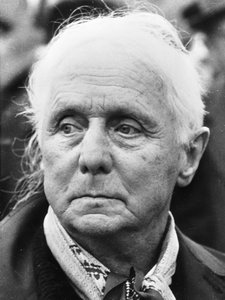
Макс Эрнст (1891-1976) – пионер дадаизма и сюрреализма! Откройте для себя его новаторские техники фроттажа, коллажи и мечтательные картины с птицами, пейзажами и психологическими темами. #MaxErnst #Сюрреализм #Дада
§ 3Commentary
A Dreamscape of Disquiet: Unveiling Max Ernst’s Castor and Pollution
In the hauntingly beautiful 1923 masterpiece Castor and Pollution, German Surrealist Max Ernst invites us into a realm where the boundaries between reality and the subconscious dissolve. This oil on canvas is far more than a mere painting; it is a visual manifesto of the interwar period, capturing the profound psychological turbulence that gripped Europe in the wake of World War I. As viewers, we find ourselves drawn into a dreamscape populated by unsettling juxtapositions that demand deep contemplation. The scene presents two figures inhabiting a small boat, their heads positioned precariously high above the waterline, gazing upward toward an unseen spectacle. This elevated, disorienting perspective immediately strips away the mundane, elevating the act of observation to a profound encounter with the unknown.
The composition is a masterclass in Surrealist tension, where every element serves as a portal to a deeper, more symbolic meaning. Dominating the central wall space is a clock, mirrored by another timepiece on the right, acting as a relentless reminder of time’s inescapable march and the fleeting nature of human experience. Beneath these temporal markers sits a simple bowl, an object of commonplace utility transformed into a focal point of mystery—perhaps representing nourishment, containment, or the fragile hope for renewal amidst a landscape of anxiety. Ernst’s ability to weave these disparate elements into a cohesive, albeit unsettling, narrative creates a sense of palpable unease that lingers long after one has turned away from the canvas.
The Alchemy of Technique and Surrealist Vision
Ernst’s technical prowess is central to the emotional weight of this work. Utilizing meticulous blending and layering, he achieves an atmosphere that feels both ethereal and heavy with significance. His approach was deeply rooted in the principles of Surrealism, a movement championed by André Breton that sought to liberate creativity from the shackles of rational thought. By employing techniques such as automatism—where images emerge spontaneously from subconscious impulses—Ernst allows the painting to breathe with a life of its own. The textures and forms within Castor and Pollution feel as though they have been unearthed from the depths of a dream, rather than constructed by a conscious hand.
For the discerning collector or interior designer, this piece offers an unparalleled opportunity to introduce a sense of intellectual depth and avant-garde sophistication to a space. A high-quality reproduction of this work does not merely decorate a wall; it serves as a conversation piece that challenges the viewer to look beyond the surface. The painting’s ability to evoke both wonder and melancholy makes it a versatile yet commanding presence in any curated collection, providing a window into one of the most revolutionary eras of art history. To possess such a work is to hold a fragment of the twentieth century's most profound psychological exploration.
Вопросы и ответы
Является ли «Castor and Pollution», Макс Эрнст портретной, пейзажной или квадратной композицией?
«Castor and Pollution», Макс Эрнст — это композиция в формате Landscape. Перед выбором размера печати стоит проверить пропорции.
Из чего выполнено произведение «Castor and Pollution» и в каком стиле оно создано?
В произведении «Castor and Pollution» техника Oil On Canvas встречается с направлением Surrealist Movement.
Почему произведение «Castor and Pollution» имеет именно такой статус авторского права?
Статус авторского права на произведение «Castor and Pollution» — все еще защищено авторским правом — определяется датой смерти автора в 1976.


 Переключиться на печать


 Для произведений искусства или репродукций, размер которых превышает 105 см (приблизительно 41 дюйм) по любой из сторон, рама будет доставлена в разобранном виде (в виде комплекта). Этот метод обеспечивает безопасную доставку и предотвращает повреждения при транспортировке.


