


 Примерить в интерьере
 Отправить
 Поделиться
 Подробнее
 Руководство

 Скачать
 Похожие объекты
 Рентгенография
 Слайд-шоу
 Статистика
Last Supper
 Oil On Canvas
- WallArt
- Baroque Renaissance
 1585
1585- Renaissance
 220.0 x 523.0 cm
 Пинакотека Брера
 Развернуть текст
Жикле / Арт-принты
Печать (жикле) или холст музейного качества с быстрыми сроками изготовления и широким выбором вариантов отделки. ( Заказать репродукцию ручной работы Перейти к цифровым изображениям)




P118B $10

P118H $10

P118W $10

P438Z $10

P508JH $12

P508YH $12

P805H $10

P805Z $10

P919BZ $10

P919G $10

P919XJ $10

P959ZH $10

P968JZ $12

W106C $8

W218G $10

W218JH $8

W218Y $10

W307PJ $10

W316G $10

W316PJ $8

W316Y $10

W398PJ $8

W4111J $10

W500HY $15

W500JH $15

W692G $12

W849H $8

W940BG $15

W953PJ $8




Выберите один из наших стандартных размеров, соответствующих оригинальным пропорциям произведения искусства.

Введите необходимую ширину и высоту, чтобы репродукция подошла к вашей раме или стене. При печати изображение можно только уменьшить, но нельзя увеличить больше оригинала, поэтому при выборе другого формата часть изображения может быть обрезана. Перед печатью мы отправим вам цифровой макет на утверждение. Изображение на этой странице не отображает реальную обрезку — ее можно увидеть только на макете.
Доставка по всему миру () за 2 недели вместо стандартных 4–5 недель. (26 Октябрь)

Бесплатная экспресс-доставка по всему миру

Высококачественный льняной холст

Полное страхование при транспортировке

Гарантия возврата таможенных пошлин

Гарантия точного цветового соответствия

100-дневный период возврата (только при обнаружении дефектов)

Гарантия возврата 100% средств

Скидка при заказе нескольких работ
 Вариант со стеклом доступен только для размеров менее 110 см

Last Supper
Жикле / Арт-принты
Размер репродукции
-


Итоговая стоимость
$ 64
A Gathering Amidst the Splendor
The air within the room feels heavy with the weight of a shared moment, yet the scene pulses with an unexpected energy. Around a long, expansive table, Jesus and his twelve apostles are gathered, caught in a state of lively motion. Some figures lean forward, their faces etched with the intensity of the conversation, while others stand nearby, drifting through the periphery of the central group. It is a crowded, bustling assembly where the sacred meets the everyday. Men and women move through the space, dressed in fabrics that catch the light, their clothing detailed with such precision that one can almost sense the texture of the heavy silks and fine linens. The table itself is a landscape of abundance, cluttered with multiple cups, bowls, and the silver glint of forks and knives, suggesting a feast that is as much about physical presence as it is about spiritual significance.
In the background, the scene stretches further than the eye first perceives. A smaller dining table sits in the distance, accompanied by a solitary chair, hinting at a larger world existing just beyond this immediate circle of disciples. This depth creates an illusion of a vast, architectural space, pulling the viewer into the very heart of the feast. The atmosphere is far from somber; instead, it carries the hum of a social gathering, where voices overlap and eyes meet in silent understanding.
The Drama of Light and Color
Every brushstroke contributes to a sense of theatrical grandeur. The artist employs a palette that feels luminous, using light to define the folds of a sleeve or the curve of a ceramic bowl. There is a deliberate use of color that brings a sense of life to the skin tones and the surrounding architecture. This technique does more than merely depict a scene; it creates a stage where every figure possesses their own weight and importance. The way the light falls across the table, illuminating the utensils and the edges of the plates, directs the eye through the complex arrangement of bodies.
The composition relies on a careful balance of movement and stillness. While the central figures anchor the painting, the surrounding crowd provides a rhythmic flow that prevents the scene from feeling static. This approach to oil on canvas allows for a richness of texture, where the shadows feel deep and the highlights appear almost tactile. The sheer scale of the work—stretching over five meters in width—demands that the viewer move along with the figures, following the gaze of an apostle or the gesture of a standing guest. It is a painting that breathes, capturing a single, suspended moment of human connection amidst a sea of movement and light.
Вопросы и ответы
Какой формат и ориентацию печати рекомендуют для «Last Supper», Паоло Веронезе?
Для работы «Last Supper», Паоло Веронезе рекомендуется печать в размере Large с ориентацией Panoramic.
Для чего рекомендуется использовать репродукцию «Last Supper», Паоло Веронезе?
Репродукция произведения «Last Supper», Паоло Веронезе рекомендуется для Accent. Это предложение продиктовано сюжетом, настроением и цветовой гаммой работы.
Позволяет ли авторское право на «Last Supper», Паоло Веронезе делать репродукции?
Статус авторского права на «Last Supper», Паоло Веронезе определен однозначно: произведение находится в является общественным достоянием — срок действия авторского права истек. Его нахождение в Пинакотека Брера не меняет этого статуса.
Похожие произведения


Биография художника
A Venetian Visionary: The Life and Art of Paolo Veronese
Paolo Caliari, universally known as Paolo Veronese, emerged from the vibrant artistic landscape of 16th-century Venice as a master of color, composition, and breathtaking spectacle. Born in Verona in 1528, the son of a stonecutter, his early life was deeply intertwined with the visual richness of his surroundings – the classical architecture, sculpted forms, and burgeoning humanist ideals that defined the region. His initial training under Antonio Badile and Giovanni Francesco Caroto provided him with a solid foundation in traditional techniques, but it was his relocation to Venice in the 1550s that truly ignited his artistic genius. The city itself became his muse, its bustling marketplaces, magnificent palazzi, and shimmering waterways profoundly shaping the scale and dramatic intensity of his work. He quickly absorbed the influences of established Venetian masters like Titian, whose mastery of color exerted a powerful impact on Veronese’s palette, yet he forged a distinctive style characterized by an unparalleled sense of theatricality and grandeur.The Painter of Feasts and Grand Narratives
Veronese's enduring legacy rests primarily upon his monumental paintings, particularly those depicting lavish feasts and biblical scenes reimagined as dazzling displays of Venetian life. The *Wedding at Cana*, completed in 1563 for the Benedictine monastery of San Giorgio Maggiore, stands as a testament to his extraordinary skill. This colossal canvas transcends mere illustration; it’s a vibrant panorama of 16th-century society, teeming with elegantly dressed figures, musicians, and architectural details rendered with astonishing precision. The painting isn't simply about *what* happened at Cana but rather *how* it would have appeared if enacted in Venice during Veronese’s time – a remarkable feat of historical reconstruction. Similarly, *The Feast in the House of Levi*, originally titled *The Last Supper*, provoked considerable controversy with the Inquisition due to its inclusion of contemporary figures and an atmosphere that seemed almost irreverent. Veronese defended his artistic choices, asserting that painters possessed the same creative liberty as poets and jesters – a bold declaration reflecting his belief in art’s capacity to interpret and reimagine sacred narratives. These works weren't merely religious depictions; they were celebrations of life, wealth, and the splendor of Venice itself. He prioritized capturing the joy and abundance of existence over austere spirituality.Influences and Artistic Development
While Titian’s influence on Veronese’s color palette is undeniable, his artistic development was a complex synthesis of various influences. The architectural precision evident in his compositions draws heavily from the classical traditions prevalent in Verona during his formative years, particularly the work of architects like Michele Sanmicheli. He also absorbed elements from Central Italian masters such as Raphael and Parmigianino, reflected in the graceful lines and harmonious arrangements within his paintings. However, Veronese didn’t merely imitate these influences; he skillfully integrated them into a uniquely Venetian style characterized by its dramatic use of light, vibrant color schemes, and meticulous attention to detail. He excelled at creating illusions of space and depth, employing perspective techniques to draw viewers directly into the heart of his elaborate scenes. His mastery of oil painting allowed him to achieve an unparalleled luminosity and richness of texture – a hallmark of his distinctive style. He also maintained a large workshop, with contributions from his brother Benedetto and sons Gabriele and Carlo (or ‘Carletto’), ensuring that his artistic vision continued to flourish even after his death in 1588.Major Achievements and Notable Works
Veronese’s career was marked by a succession of significant commissions and masterpieces. His decoration of the Venetian church of S. Sebastiano between 1555 and around 1570 is considered one of his most important achievements, showcasing his ability to create immersive environments filled with dynamic movement and vibrant color. The ceiling and wall paintings for the library of S. Marco (1556-57) and the Ducal Palace (early 1550s and 1575-82) further demonstrated his skill in grand scale and opulent design. Perhaps most famously, he created a series of mythological pictures for an international clientele, including *Venus and Adonis* and *The Judgment of Paris*. His *Last Supper*, painted for a Dominican friar in 1573 (now housed in the Accademia di Venezia), stands as a particularly striking example of his innovative approach to religious narrative. The painting’s inclusion of contemporary figures and its seemingly irreverent atmosphere caused considerable controversy, leading to a title change – *Supper in the House of Levi* – reflecting Veronese's determination to defend his artistic freedom.Legacy and Historical Significance
Paolo Veronese’s impact extends far beyond the realm of Renaissance art. His work has resonated through centuries, inspiring artists across various disciplines. His dramatic compositions and vibrant color schemes have been cited as influences on everything from Baroque painting to modern cinema – even finding echoes in the visual aesthetics of Spaghetti Westerns. He was a key figure within the “great trio” of Venetian painters—alongside Titian and Tintoretto—each contributing uniquely to the city’s artistic legacy, yet Veronese often stands apart for his sheer exuberance and celebration of earthly pleasures. His paintings continue to captivate audiences with their grandeur and spectacle, offering a glimpse into the opulent world of 16th-century Venice. Veronese's legacy remains a testament to his artistic genius, his ability to capture the essence of an era, and his enduring contribution to the history of art.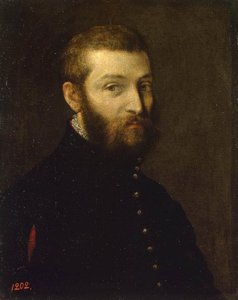
Паоло Веронезе
1528 - 1588 , Италия
Краткая справка
- Artistic Movement Or Style: Ренессанс, Маньеризм
- Artists Or Movements Influenced By This Artist: ['Рафаэль']
- Artists Who Influenced This Artist: ['Тициан']
- Date Of Birth: 1528
- Date Of Death: 1588
- Full Name: Паоло Веронезе
- Nationality: Итальянец
- Notable Artworks:
- Свадьба Канны
- Пир в доме Леви
- Place Of Birth: Верона, Италия
Похожие статьи

Paolo Veronese: A Renaissance Master of Color, Composition, and Venetian Splendor
Explore the vibrant world of Paolo Veronese, a Renaissance master renowned for his opulent compositions, masterful use of color, and dramatic Venetian scenes. Discover key artworks & legacy.

Топ-25 шедевров Тинторетто: Венецианская драма и свет в вашем интерьере
Погрузитесь в мир драматизма и света с 25 шедеврами Тинторетто! Узнайте историю создания легендарных картин эпохи Возрождения. Репродукции высокого качества для вашего интерьера на AllPaintingsStore.com.

The Enduring Legacy of Oil on Canvas: Technique, History & Aesthetic Impact
Explore the rich history & techniques of oil painting – from Renaissance masters to Impressionism. Discover pigments, layering methods, and why this timeless medium endures. Expert insights for artists & art enthusiasts.

The Enduring Power of Painting: A Historical & Contemporary Exploration of Form and Emotion
Explore the rich history & enduring techniques of oil painting with AllPaintingsStore. Discover masterpieces, learn about art collecting, and find authentic handmade reproductions crafted by skilled artists.

Леонардо да Винчи: Топ-25 шедевров для ценителей искусства и роскошного интерьера
Погрузитесь в мир гения Леонардо да Винчи! 25 шедевров эпохи Возрождения, истории создания картин и техники великого мастера. Репродукции высокого качества для вашего интерьера на AllPaintingsStore.com. Откройте всю коллекцию онлайн!


