Гарантия возврата средств · 100 дней Бесплатная доставка по всему миру
449 587произведения искусства 30 613художники 4 660музеи 32языки
Catalogue entry

Scupstoel

1448. Acrylic.

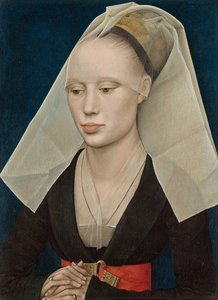
Fig. 1. Рогер ван дер Вейден, Scupstoel, 1448. Shown as the reproduction you are specifying: , .

§ 1Catalogue data

§ 2Abstract

Описание предмета

Explore Rogier van der Weyden’s haunting ‘Scupstoel,’ a masterful study in quiet intensity capturing the contemplative spirit of Early Netherlandish painting—a revolutionary depiction of emotion and meticulous detail that invites you to discover its timeless beauty.

Биография художника

Рогер ван дер Вейден (1400-1464) – выдающийся художник Северного Возрождения, мастер эмоциональных религиозных картин, богатых цветов и реалистичных деталей. Исследуйте 'Плачущие над Христом' & многое другое!

§ 3Commentary

A Study in Quiet Intensity: Examining Rogier van der Weyden’s ‘Scupstoel’

Rogier van der Weyden’s “Scupstoel,” completed around 1448, stands as a remarkable testament to the burgeoning artistic spirit of Early Netherlandish painting. More than just a depiction of a man seated upon a pile of chairs—a seemingly simple subject matter—the artwork embodies profound emotional depth and meticulous craftsmanship that cemented Van der Weyden’s reputation as one of the era's foremost masters.

Style & Technique: The piece exemplifies the stylistic hallmarks of its time, firmly rooted in the Northern Renaissance tradition. Characterized by a restrained palette dominated by muted browns, ochres, and reds—a deliberate choice reflecting the solemnity of religious contemplation—the painting prioritizes naturalistic detail over flamboyant ornamentation. Van der Weyden’s mastery is evident in his painstaking rendering of textures: the worn fabric of the chairs, the subtle creases in the man's clothing, and even the delicate folds of drapery convey a palpable sense of realism.

Historical Context: Created during a period marked by significant religious fervor—the Burgundian Netherlands experienced a fervent devotion to saints and biblical narratives—‘Scupstoel’ speaks directly to this cultural milieu. The artwork likely served as a preparatory sketch or study for a larger altarpiece, reflecting the prevailing artistic practice of exploring compositional ideas before committing them to monumental canvases.

Symbolism & Emotion: While the precise symbolism embedded within ‘Scupstoel’ remains debated by scholars, its central figure—a man seated amidst the chairs—is interpreted as representing contemplation and humility. The arrangement itself suggests a deliberate effort to convey inner turmoil balanced by serene composure. Van der Weyden's ability to capture such nuanced psychological states was revolutionary for his time, marking him as a pioneer in portraying human emotion with unprecedented sensitivity.

Interior Design Inspiration: “Scupstoel”’s understated elegance and masterful execution offer valuable insights into the aesthetic sensibilities of the fifteenth century. Its muted tones and textured surfaces can inspire designers seeking to create spaces imbued with warmth, tranquility, and intellectual curiosity—a timeless reminder that beauty resides not merely in grandeur but also in profound emotional resonance.

Вопросы и ответы

Какую эмоцию передает «Scupstoel», Рогер ван дер Вейден?

Эмоциональный тон, зафиксированный для «Scupstoel», Рогер ван дер Вейден, — Reflective. Он передает суть чувств, которые выражает это произведение.

Как работа «Scupstoel» вписывается в темы и стиль Рогер ван дер Вейден?

«Scupstoel» относится к работам Рогер ван дер Вейден в рамках Early Netherlandish Renaissance, к основным темам которых относятся religious emotion, human expression, medieval tradition, psychological insight, artist legacy.

Как сюжет произведения «Scupstoel» соотносится с привычными темами Рогер ван дер Вейден?

Среди зафиксированных тем Рогер ван дер Вейден — religious emotion, human expression, medieval tradition, psychological insight, artist legacy — в работе "Scupstoel" особый акцент сделан на religious painting, human figure, chair arrangement, psychological depth, medieval art, detail rendering, symbolism.
§ 4The artist

Рогер ван дер Вейден

Рогер ван дер Вейден

1400 - 1464, Бельгия

Quick facts about Рогер ван дер Вейден

  • Artistic Movement Or Style: Ранненидерландское искусство
  • Artists Or Movements Influenced By This Artist:
    • Итальянское Ренессанс
    • Испанская живопись
  • Artists Who Influenced This Artist:
    • Роберт Кампин
    • Ян ван Эйк
  • Date Of Birth: c. 1400
  • Date Of Death: 1464
  • Full Name: Rogier van der Weyden
  • Nationality: Бельгиец
  • Notable Artworks:
    • Схождение с креста
    • Плачущие
    • Поклонение волхвов
  • Place Of Birth: Tournai, Бельгия

Биография художника

A Master of Emotion: The Life and Legacy of Rogier van der Weyden

Rogier de la Pasture – known to history as Rogier van der Weyden – emerged around 1400 in the vibrant city of Tournai, nestled within what is now Belgium. This talented artist’s life was a testament to his dedication and skill, shaping the course of Early Netherlandish painting. While details surrounding his early years remain somewhat shrouded in mystery, it's believed he initially honed his craft not with brush and pigment alone, but as a goldsmith. This formative training instilled within him an unwavering commitment to meticulous detail and a refined sensibility for craftsmanship – qualities that would become instantly recognizable hallmarks of his artistic style. The precision demanded by working with precious metals undoubtedly translated into the exquisite rendering of textures, fabrics, and expressions that define his most celebrated masterpieces. He wasn’t merely depicting reality; he was recreating it with painstaking accuracy, imbued with an almost reverent attention to detail.

From Tournai to Brussels: A Rising Star

By 1427, van der Weyden had ascended to the rank of master within the Guild of Saint Luke in Tournai – a significant milestone that solidified his position as a professional artist and opened doors to prestigious commissions. His career truly took flight when he entered the service of Philip the Good, Duke of Burgundy, in 1435. This patronage was transformative; it provided not only financial security but also access to an elite circle of influence and exposure to some of the most discerning eyes of the era. It was during this period that van der Weyden’s artistic vision truly began to mature, moving away from the somewhat rigid conventions of earlier Netherlandish painters towards a more emotionally resonant and naturalistic approach. He wasn't simply painting religious scenes; he was striving to evoke genuine feeling in the viewer, to create an experience that transcended mere observation. His work reflected a growing interest in portraying human emotion with unprecedented depth and sensitivity – a departure from the stylized representations of earlier periods.

The Language of Feeling: Style and Technique

Rogier van der Weyden’s artistic signature is immediately recognizable through several defining characteristics. His palette was remarkably rich and diverse, a vibrant tapestry of colors carefully chosen to avoid repetition and create depth and complexity within his compositions. He possessed an extraordinary ability to convey profound emotion – *pathos* – particularly in depictions of religious subjects like the Lamentation, where grief and sorrow are palpable. This emotional intensity wasn’t achieved through dramatic gestures or exaggerated expressions; rather, it was subtly woven into the very fabric of the painting, conveyed through delicate nuances of facial expression, body language, and composition. His figures, while adhering to the conventions of the time, demonstrate a growing interest in realistic representation – not just in anatomy and drapery, but also in capturing the psychological states of his subjects. They possess a dignified, almost sculptural quality, particularly evident in his grand triptychs, lending them an air of solemnity and reverence. He masterfully employed oil paint, building up layers of translucent glazes to achieve luminous effects and create a sense of depth and realism that was revolutionary for its time. The use of light and shadow – *chiaroscuro* – became a key element in his dramatic compositions, further enhancing the emotional impact of his works.

Notable Works and Enduring Masterpieces

Throughout his prolific career, van der Weyden produced numerous works that stand as testaments to his artistic prowess. St Luke Drawing a Portrait of the Madonna, housed in the Museum of Fine Arts, Boston, showcases his mastery of oil on panel and meticulous observation. The *Lamentation*, residing in the Musée des Beaux-Arts Tournai, Belgium, is perhaps his most celebrated work – a powerfully emotive depiction of Christ’s mourning, renowned for its dramatic use of *chiaroscuro* and its ability to evoke profound sorrow in the viewer. Multiple versions of The Deposition exist, each demonstrating his skill in conveying grief and drama with breathtaking sensitivity. The *Annunciation*, a masterpiece of refined style and attention to detail, exemplifies his ability to imbue even the most traditional subjects with a sense of freshness and vitality. And finally, the intricate and richly detailed *Bladelin Triptych* stands as a monumental achievement – a complex altarpiece that showcases the full range of van der Weyden’s artistic abilities. These works, and many others, continue to captivate audiences today, solidifying his position as one of the most important painters of the 15th century.

Lasting Influence: A Legacy Forged in Paint

Van der Weyden's influence extended far beyond the borders of his native Flanders. His works were highly sought after throughout Europe, particularly in Italy and Spain, where they introduced a new level of emotional depth and naturalism to local artistic traditions. Although his fame experienced a period of relative decline in the 17th century, a rediscovery during the 19th century cemented his place as one of the most important painters of the 15th century. He stands alongside Jan van Eyck and Robert Campin as one of the “three great” Early Flemish masters, each contributing uniquely to the development of Northern Renaissance art. His innovative techniques and emotionally charged compositions paved the way for future generations of artists, inspiring countless imitators and influencing the course of Western painting for centuries to come. He helped establish oil painting as the dominant medium and elevated the status of the artist within society, transforming them from skilled craftsmen into revered creators. Rogier van der Weyden’s legacy continues to resonate today, a testament to his enduring genius and his profound understanding of the human condition.

§ 5Comparanda

§ 6Questions

Краткая справка

  • Location: Private Collection
  • Year: 1448
  • Subject or theme: Religious iconography
  • Influences: Jan van Eyck
  • Artistic style: Emotionalism

Викторина по искусству

В каждом вопросе только один правильный ответ.

Вопрос 1:
What artistic style is ‘Scupstoel’ primarily associated with?
Вопрос 2:
The painting's palette predominantly features:
Вопрос 3:
‘Scupstoel’ likely served as a preparatory sketch for:
Вопрос 4:
What technique is Van der Weyden particularly known for?
Вопрос 5:
The central figure in ‘Scupstoel’ symbolizes:

§ 7Cite this entry

AllPaintingsStore.com, “Рогер ван дер Вейден, Scupstoel (1448)”, https://allpaintingsstore.com/ru/art/rogier-van-der-weyden-scupstoel-D2KVM5-en/ArtistReproduction/ (accessed 4 Октябрь 2026).

§ 8The reproduction

Масляная репродукция ручной работы

Картина маслом на холсте в выбранном вами размере и раме, написанная на заказ нашими художниками. ( Переключиться на печать Перейти к цифровым изображениям)

It is specified on the order sheet in the margin; the present state of that sheet reads as follows.

Scupstoel

Материал репродукции

Размер репродукции

-

Ведущий мастер элитного уровня

Более высокая детализация, изысканность и дополнительное время на создание работы

-

Рама для репродукции

-

-

Для произведений искусства или репродукций, размер которых превышает 105 см (приблизительно 41 дюйм) по любой из сторон, рама будет доставлена в разобранном виде (в виде комплекта). Этот метод обеспечивает безопасную доставку и предотвращает повреждения при транспортировке.

Требуется профессиональная сборка — это не продукт для самостоятельной сборки (DIY).
Комплект должен быть собран, а холст натянут опытным мастером по багетным рамам с использованием клеевого ПВА (не входит в комплект), струбцин для натяжки холста и зажимов, чтобы удерживать подрамник ровным до полного высыхания клея. Неправильная сборка или неравномерное натяжение холста могут привести к необратимому повреждению произведения искусства и не являются гарантийным случаем.

  • В комплект входят все бруски из массива дерева, точно вырезанные по размеру.

  • Собирается с помощью предоставляемых винтов, а также столярного клея для угловых соединений, который не входит в комплект и должен быть приобретен вашим мастером.

  • Требуются профессиональные инструменты, не входящие в комплект: щипцы для натяжки холста (натяжитель) и зажимы, чтобы удерживать рейки ровно во время высыхания клея.

Важно:
Для соединения углов требуется клей для дерева, перекладины необходимо зафиксировать струбцинами до полного высыхания клея, а для натяжки холста на собранную раму требуются щипцы для натяжки холста. Ни один из этих инструментов не входит в комплект. Пожалуйста, убедитесь в наличии опытного мастера по багетным работам перед заказом рамы такого размера.

Экспликация

-

-

Защитный лак

Глянцевый лак (насыщает цвета, защищает от воздействия света и влаги)

-

Настроить мою картину

Примеры возможных изменений: замена лица на фото клиента; добавление домашнего питомца (например, замена кошки на собаку); добавление скрытого сообщения на фоне; изменение пейзажа или элементов фона.

-

Срочно

Доставка по всему миру () за 3–4 недели вместо стандартных 5 недель. (1 Ноябрь). Без компромиссов в качестве.

-

Экспресс-доставка

Доставка по всему миру () в течение 5 недель. (8 Ноябрь).

Включено

Итоговая стоимость

$ 258

Included with every order

  • Бесплатная экспресс-доставка по всему миру
  • Высококачественный льняной холст
  • Полное страхование при транспортировке
  • Гарантия возврата таможенных пошлин
  • Гарантия точного цветового соответствия
  • 100-дневный период возврата (только при обнаружении дефектов)
  • Гарантия возврата 100% средств
  • Скидка при заказе нескольких работ
Order sheet