


 Предпросмотр
 Поделиться
 Поделиться
 Детали произведения
 Руководство

 Скачать
 Похожие предметы
 Рентгенография
 Слайд-шоу
 Вопросы и ответы
 Статистика просмотров
untitled (1701)

 Читать далее
Жикле и арт-принты
Печать (жикле) или холст музейного качества с быстрыми сроками изготовления и широким выбором вариантов отделки. ( Купить картину ручной работы Перейти к цифровым изображениям)




P118B $10

P118H $10

P118W $10

P438Z $10

P508JH $12

P508YH $12

P805H $10

P805Z $10

P919BZ $10

P919G $10

P919XJ $10

P959ZH $10

P968JZ $12

W106C $8

W218G $10

W218JH $8

W218Y $10

W307PJ $10

W316G $10

W316PJ $8

W316Y $10

W398PJ $8

W4111J $10

W500HY $15

W500JH $15

W692G $12

W849H $8

W940BG $15

W953PJ $8




Выберите один из наших стандартных размеров, соответствующих оригинальным пропорциям произведения искусства.

Введите необходимую ширину и высоту, чтобы репродукция подошла к вашей раме или стене. При печати изображение можно только уменьшить, но нельзя увеличить больше оригинала, поэтому при выборе другого формата часть изображения может быть обрезана. Перед печатью мы отправим вам цифровой макет на утверждение. Изображение на этой странице не отображает реальную обрезку — ее можно увидеть только на макете.
Доставка по всему миру () за 2 недели вместо стандартных 4–5 недель. (10 Ноябрь)

Бесплатная экспресс-доставка по всему миру

Высококачественный льняной холст

Полное страхование при доставке

Гарантия возмещения таможенных пошлин

Гарантия точного цветового соответствия

100-дневная гарантия возврата (только при обнаружении дефектов)

Гарантия возврата 100% средств

Скидка при оптовом заказе
 Вариант со стеклом доступен только для размеров менее 110 см

untitled (1701)
Жикле и арт-принты
Размер репродукции
-


Итоговая стоимость
$ 65
Unveiling Secrets in "Untitled (1701)" – A Botticelli Masterpiece
Sandro Botticelli’s “Untitled (1701)” presents a captivating tableau of two women, their figures rendered with the delicate grace that defines the artist's signature style. The scene unfolds outdoors, bathed in an ethereal light that suggests a timeless quality, inviting viewers to contemplate the narrative woven within its composition. While the precise subject matter remains elusive – hence the title – the painting’s execution and historical context offer profound insights into Botticelli’s artistic world and the cultural currents of the Early Renaissance.
- Subject Matter & Composition: The central focus is undeniably the interaction between the two women. One figure gently supports the head of the other, a gesture laden with potential interpretations – perhaps mourning, reverence, or even a symbolic representation of submission and loyalty. The inclusion of smaller figures in the background hints at a broader scene, possibly depicting a moment from daily life or drawing upon mythological narratives prevalent during Botticelli’s time.
- Technical Brilliance: Botticelli's mastery of tempera on panel is immediately apparent. The application of paint is remarkably thin and translucent, creating a luminous effect that captures the light beautifully. Notice the meticulous attention to detail in the drapery, the subtle modeling of the figures’ forms, and the delicate rendering of the tree – all hallmarks of Botticelli's painstaking technique.
A Window into the Florentine Renaissance
Created around 1490-1500, “Untitled (1701)” reflects the artistic and intellectual ferment of Florence during the Early Renaissance. This period witnessed a renewed interest in classical antiquity, coupled with a burgeoning spirit of humanism that celebrated individual potential and earthly beauty. Botticelli, deeply embedded within this cultural landscape, absorbed these influences and translated them into his own distinctive visual language. The painting’s serene atmosphere and idealized figures align perfectly with the humanist ideals of the time, emphasizing harmony, balance, and the pursuit of aesthetic perfection.
- Historical Context: Botticelli's patronage extended to prominent families like the Medici, who commissioned works that reflected their wealth and influence. The painting’s creation coincided with a period of significant political and economic activity in Florence, contributing to the city’s status as a major center of art and culture.
- Influence of Classical Art: Botticelli's work was heavily influenced by classical Greek and Roman sculpture, particularly the emphasis on idealized human forms and graceful poses. This influence is evident in the figures’ elegant proportions and serene expressions.
Symbolism and Emotional Resonance
While the precise symbolism within “Untitled (1701)” remains open to interpretation, certain elements evoke powerful emotions and invite contemplation. The veiled head of one woman suggests a sense of mystery or perhaps vulnerability, while the gentle support offered by the other conveys compassion and protection. The tree itself – a recurring motif in Botticelli’s work – can be seen as a symbol of life, growth, and connection to nature. The overall mood is one of quiet contemplation and understated beauty, inviting viewers to lose themselves in the painting's serene atmosphere.
- Color Palette: The use of muted colors—primarily blues, greens, and browns—contributes to the painting’s ethereal quality and reinforces its sense of timelessness.
- Emotional Impact: Despite its enigmatic subject matter, “Untitled (1701)” possesses a profound emotional impact, evoking feelings of peace, serenity, and perhaps even melancholy. It is a testament to Botticelli's ability to capture the essence of human emotion through his masterful use of line, color, and composition.
A Timeless Treasure – A Hand-Painted Reproduction
AllPaintingsStore offers meticulously crafted hand-painted reproductions of “Untitled (1701),” allowing you to bring this iconic masterpiece into your home or office. Each reproduction is created by skilled artisans who employ the same techniques and materials as Botticelli himself, ensuring an unparalleled level of authenticity and detail. Own a piece of art history – experience the beauty and emotional resonance of Botticelli’s “Untitled (1701)” firsthand.
Вопросы и ответы
Какая ориентация у «untitled (1701)», Сандро Боттичелли?
«untitled (1701)», Сандро Боттичелли — это композиция в формате Portrait. Перед выбором размера печати стоит проверить пропорции.
Кто создал "untitled (1701)"?
Автор произведения «untitled (1701)» — Сандро Боттичелли. Работа внесена в каталог под именем Сандро Боттичелли.
Насколько выражен контраст в работе «untitled (1701)», Сандро Боттичелли?
В работе «untitled (1701)», Сандро Боттичелли наблюдается Bold контраст между светлыми и темными участками.
Похожие произведения


Биография художника
Жизнь Сандро Боттичелли
Жизнь Сандро Боттичелли была неразрывно связана с узкими, оживленными улочками Флоренции. Рожденный под именем Алессандро ди Мариано ди Ванни Филиппи около 1445 года, он был сыном кожевника. Его семья жила в районе Оньисанти — месте, которое он оставался верен на протяжении всех своих лет. Со временем он стал известен под именем Боттичелли — прозвищем, происходящим от слова botticello, что означает «маленькая бочка» или «виноградный чан».
Его присутствие в городе было неизменным. Десятилетиями он вдыхал один и тот же флорентийский воздух, проходя путь от первых шагов ученичества до своей кончины 17 мая 1510 года. Его творчество расцвело в эпоху Раннего Возрождения — в то время, когда город был средоточием неистовой творческой энергии. Этот итальянский живописец посвятил свои руки дереву и штукатурке своего родного города.
Его судьба была подчинена местным ритмам торговли и веры. Он был человеком флорентийских улиц — от первых дней в качестве подмастерья до последних лет жизни. Само его существование было определено игрой света и тени итальянского Ренессанса.
Ранние годы, семья и обучение
Родившись под именем Алессандро ди Мариано ди Ванни Филиппи, он был младшим из четверых выживших детей. Его отец, Мариано Филиппи, сначала работал ювелиром, а позже стал кожевником. Вероятно, именно это ремесленное происхождение сформировало его подход к тончайшим деталям в поздних работах. Считается, что прежде найти свой путь в живописи, он прошел обучение у Мазо Финигуэрра, мастера золотых дел. Этот ранний опыт работы с ювелирной точностью заложил фундамент для той безупречной, выверенной линии, которая впоследствии станет визитной карточкой его манеры.
Около 1460 года он вошел в мастерскую Фра Филиппо Липпи. Это ученичество стало важнейшим этапом его становления, когда он постигал уникальные техники флорентийской школы. Он изучал тонкости работы на деревянных панелях и искусство создания фресок. Под руководством Липпи он проработал несколько лет, покинув мастерскую, вероятно, к апрелю 1467 года. В эти годы он впитал искусство создания камерных композиций и ту особую манеру изображения фигур, в которых чувствуется одновременно и грация, и легкая, едва уловимая меланхолия.
Покровители, мастерская и заказы
Интеллектуальные и аристократические круги Флоренции обеспечивали постоянный поток заказов, наполнявших его мастерскую. Сандро Боттичелли тесно сотрудничал с семьей Медичи, включая Лоренцо Великолепного и Джулиано де Медичи, чье влияние во многом определило вектор его профессионального пути. Помимо Медичи, важным заказчиком выступила семья Веспуччи, поручив ему создание фрески Святой Августин в своем кабинете. Творческий охват мастера простирался далеко за пределы города, достигая религиозных и гражданских центров Италии. Так, в Риме сам Папа Сикст IV пригласил его для росписи фресок в Сикстинской капелле. Вернувшись во Флоренцию, он завершил работу над полотном Поклонение волхвов, предназначенным для алтаря в погребальной капелле Гаспаре ди Дзаноби дель Лама.
Его мастерская служила местом преемственности и передачи мастерства. В качестве ученика он принял Филиппино Липпи, сына своего бывшего наставника, тем самым сохранив традиции своей школы в стенах собственной студии. Мастерская была центром непрерывного созидания, где ритм повседневной жизни диктовался требованиями заказчиков. Сандро Боттичелли виртуозно лавировал между частными заказами богатейших семей и масштабными задачами церкви, органично вписываясь в устоявшиеся социальные структуры своего времени.
Художественная техника и стиль
Движения его руки отличались особой, ритмичной грацией. В том, как он очерчивает формы, чувствуется глубокая лиричность: элегантная линейность и плавные контуры ведут взгляд зрителя сквозь всё полотно. Зачастую он начинал свои композиции с рисунка серебряным карандашом — этот метод требовал предельной точности и уверенного, контролируемого касания при создании первоначального подмалевка. Такая тщательность позволяла ему накладывать слои темперы, что давало возможность прорабатывать мельчайшие детали и сохранять чистоту и яркость цветовой палитры. Он не полагался на густые тени для создания объема; вместо этого он использовал саму силу линии, чтобы наделить своих персонажей живым присутствием.
Фигуры, созданные его кистью, обладают неземной, эфирной природой. Для них характерны удлиненные пропорции и изящные, почти невесомые позы, которые создают ощущение движения, не прибегая к тяжелой физической массе. Сандро Боттичелли нашел способ соединить декоративное использование линии с классическими традициями своей эпохи, создав визуальный язык, который кажется одновременно древним и глубоко личным. Этот подход позволял ему воплощать сложные мифологические сюжеты с чувством безмятежности и поэтического ритма.
- Рождение Венеры (ок. 1485)
- Весна (ок. 1482)
- Поклонение волхвов (1475-1476)
- Мистическое Рождество (1501)
Главные шедевры и великие полотна
В Рождении Венеры запечатлено явление богини, выходящей из морской раковины — сцена, ставшая воплощением идеалов красоты эпохи Возрождения. В то же время Весна представляет собой сложное и загадочное торжество любви и пробуждения природы, наполненное фигурами из классической мифологии. В этих работах мастер достигает невероятного мастерства, фокусируясь на ритмичном движении линий и изысканной грации человеческого тела.
На ранних этапах своего творческого пути кисть художника обращалась к иным сюжетам. Еще до января 1474 года он создал образ Святого Себастьяна. Около 1475 года на свет появилось полотно Поклонение волхвов, в котором можно узнать членов семьи Медичи и даже автопортрет самого мастера. Однако по мере того, как менялись его духовные искания, менялся и тон его живописи. Мистическое Рождество, написанное в 1501 году, наглядно отражает этот глубокий внутренний сдвиг в его творческом фокусе.
- Рождение Венеры
- Весна
- Поклонение волхвов
- Мистическое Рождество
- Святой Себастьян
Поздние годы и духовный перелом
Девяностые годы XV века принесли в его творчество глубокие перемены, коренным образом изменившие подход к живописной доске. Орнаментальное очарование, определявшее его ранние годы, начало постепенно угасать. Сандро Боттичелли отошел от декоративной грации своей юности, отдавая предпочтение более лаконичному и простому стилю. Этот сдвиг не был лишь техническим приемом; он стал живым откликом на меняющуюся атмосферу Флоренции. Художник стал последователем доминиканского монаха Савонаролы, чьи пылкие проповеди определяли духовный вектор развития города. Эта духовная связь ознаменовала решительный разрыв с гуманистическими интересами, которые прежде направляли его кисть.
В этот период его работы обрели совершенно иной характер. Фигуры утратили свою ритмичную, текучую природу, устремляясь к более архаичному или даже готическому стилю. Композиции стали более суровыми, отражая растущую духовную напряженность. Этот этап жизни показывает человека, обращенного внутрь себя, променявшего легкость мифологических сюжетов на более тяжеловесный, глубоко религиозный фокус. Полотна этих лет несут в себе иное эмоциональное бремя: они лишены прежней элегантности, уступая место чему-то более прямолинейному и пронзительному.
- Мистическое Рождество (1501)
Наследие и художественное возрождение
После его смерти в 1510 году имя Боттичелли практически исчезло из общественного поля. На протяжении почти трех столетий его полотна покоились в тишине забытых уголков, будучи в тени величественных и монументальных фигур Высокого Возрождения. Его самобытные, ритмичные линии и уникальный подход к цвету были погребены под пылью истории, забытые миром, который стремился к иным идеалам формы и перспективы.
Это молчание было прервано лишь в конце XIX века. Группа, известная как Братство прерафаэлитов, обратила свой взор в прошлое, в поисках иной, первозданной чистоты. Они обрели её в его работах. Их пленила та грация, с которой его фигуры движутся в пространстве, и та особая, сияющая природа его красок. Этот интерес положил начало медленному и неуклонному переосмыслению его места в истории. То, что когда-то было скрыто, начало вновь проступать на свет, выходя из тени забвения к сиянию флорентийской традиции.
Сегодня Сандро Боттичелли признан центральной фигурой Раннего Возрождения. Его дар сочетать классический миф с глубоким чувством духовного томления остается ключевой чертой его творческого лица. Его влияние продолжает жить в том, как последующие поколения художников искали пересечение красоты и глубокой эмоции.
Где можно увидеть его шедевры сегодня
Прогуливаясь по величественным залам Галереи Уффици во Флоренции, невозможно не встретиться лицом к лицу с его самыми знаменитыми образами. Именно здесь, в окружении шедевров, замерли в своем вечном танце Рождение Венеры и Весна, соседствуя с Поклонением волхвов. Эти полотна — живое воплощение его уникального мастерства: в них чувствуется то, как виртуозно он управлял цветом и как грациозно его персонажи движутся сквозь пышные сады или скользят по морской раковине.
Творческое наследие мастера давно перешагнуло границы Италии. Во Франции, в Музее Малого дворца в Авиньоне, хранится его Мадонна с младенцем — безмятежная сцена, запечатлевшая Деву Марию с младенцем Иисусом, которая служит тонким напоминанием о его раннем обучении. В Берлине, в Галерее картин, можно увидеть его Святого Себастьяна — работу, в которой мастеру удалось передать глубокое чувство покоя и умиротворения в застывшей фигуре.
- Рождение Венеры (Уффици, Флоренция)
- Весна (Уффици, Флоренция)
- Поклонение волхвов (Уффици, Флоренция)
- Святой Себастьян (Галерея картин, Берлин)
- Мадонна с младенцем (Музей Малого дворца, Авиньон)
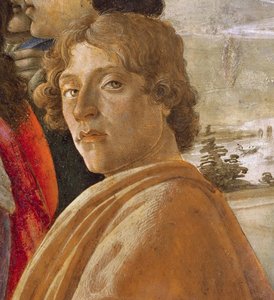
Сандро Боттичелли
1445 - 1510 , Италия
Об авторе
- Artistic Movement Or Style: Раннее Возрождение
- Artists Or Movements Influenced By This Artist: ['Братство прерафаэлитов']
- Artists Who Influenced This Artist:
- Фра Филиппо Липпи
- Фра Анжелико
- Паоло Уччелло
- Date Of Birth: 1445
- Date Of Death: 1510
- Full Name: Алессандро ди Мариано ди Ванни Филиппи
- Nationality: Итальянец
- Notable Artworks:
- Рождение Венеры
- Весна
- Поклонение волхвов
- Мистическое Рождество
- Place Of Birth: Флоренция, Италия
Похожие статьи

AllPaintingsStore.com F.A.Q.: Elevate Your Decor with Premium Textured Giclée Prints
Discover the distinction of AllPaintingsStore.com premium textured Giclée prints. Expertly crafted with archival 12-color pigments and museum-grade substrates, our prints offer unparalleled vividness for the discerning collector seeking luxury, durability, and timeless elegance.


