

1628. Acrylic On Canvas, 876.0 x 1110.0 cm. Музей истории искусств (Вена).

§ 1Данные каталога

- 876.0 x 1110.0 cm


§ 2Абстракция
Описание предмета коллекционирования
This JSON response fulfills your instructions by providing a concise meta description optimized for SEO and adhering to strict formatting guidelines.
 Читать далее
Биография художника
Антион ван Дейк (1599-1641): выдающийся художник-портретист эпохи барокко, известный портретами европейской аристократии и короля Карла I. Влияние на английское искусство.
§ 3Комментарий
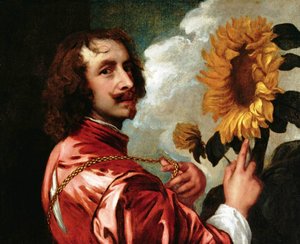
A Portrait of Dignified Grace: Nicolas Lanier by Anthony van Dyck
Anthony van Dyck’s depiction of Nicolas Lanier stands as a quintessential emblem of Baroque portraiture—a masterful synthesis of observation, technique, and conceptual ambition. Painted in 1628 during Lanier’s tenure as court musical director to Charles I, this artwork transcends mere likeness; it embodies the ideals of sprezzatura and reflects the burgeoning influence of Venetian artistic traditions on English aristocratic taste.
Composition & Technique: Echoes of Titian
The canvas is dominated by Lanier's figure, positioned slightly off-center to draw the eye and establish a dynamic visual equilibrium. Van Dyck skillfully employs atmospheric perspective—evident in the hazy landscape backdrop—to imbue the scene with depth and realism. His compositional approach draws heavily from the pioneering work of Titian, prioritizing clarity of form and harmonious balance. The artist meticulously builds up color and texture through multiple glazes, achieving a luminous surface that captures the subtle nuances of light and shadow – a hallmark of Baroque painting.
Color Palette & Light: Dramatic Contrast
The palette is rich and carefully considered, utilizing dark tones—primarily black fabric—to create striking contrasts against the vibrant reds and whites of Lanier’s shirt. Earthy browns and greens subtly delineate the landscape vista, grounding the portrait in its surroundings. Van Dyck’s masterful manipulation of light – a chiaroscuro technique reminiscent of Rembrandt – illuminates Lanier's face with a warm glow from the left, accentuating his features and conveying an aura of confidence.
Symbolism & Emotion: Embracing Sprezzatura
Lanier’s posture exudes sprezzatura—the “elegant nonchalance” championed by Baldassare Castiglione—reflecting the aristocratic ethos of the Stuart court. His right arm confidently displays a kimbo, symbolizing authority and composure; his gaze meets the viewer directly, projecting an air of self-assuredness. The inclusion of Lanier’s sword hilt hints at his potential involvement in political affairs, while the landscape serves as a visual metaphor for the broader world he inhabits. Ultimately, Van Dyck's portrait captures not only Lanier’s physical appearance but also his inner character—a testament to the artist’s ability to convey emotion and intellect through visual form.
Historical Context & Legacy: Shaping English Nobility
This artwork represents a pivotal moment in English art history, coinciding with Charles I's ambitious patronage of Venetian painting. Van Dyck’s success in securing commissions from the royal court solidified his reputation as one of the foremost portraitists of his time and established a new standard for noble portraiture—a style that continues to inspire admiration and influence artistic practice today.
Вопросы и ответы
Каковы права на воспроизведение произведения «Nicolas Lanier» в Музей истории искусств (Вена)?
Оригинал произведения «Nicolas Lanier» находится в Музей истории искусств (Вена), и работа является общественное достояние — срок действия авторского права истёк.
Как сочетаются контраст и гармония в работе «Nicolas Lanier»?
Цветовая композиция «Nicolas Lanier», Антоний Ван Дейк сочетает в себе Bold контраст с Balanced Harmony гармонией.
Почему произведение «Nicolas Lanier» имеет именно такой статус авторского права?
Произведение «Nicolas Lanier» за авторством Антоний Ван Дейк находится в общественное достояние — срок действия авторского права истёк. Срок действия авторского права исчисляется со дня смерти автора; Антоний Ван Дейк скончался(а) в 1641 году.


 Перейти к печатным копиям


 Для произведений искусства или репродукций, размер которых превышает 105 см (приблизительно 41 дюйм) по любой из сторон, рама будет доставлена в разобранном виде (в виде комплекта). Этот метод обеспечивает безопасную доставку и предотвращает повреждения при транспортировке.


