


 Предпросмотр
 Поделиться
 Поделиться
 Детали произведения
 Guide
Guide

 Скачать
 Похожие работы
 Рентгенография
 Слайд-шоу
 Статистика
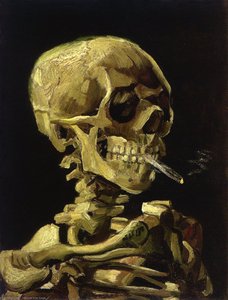
Коп со свечкой
 Масло на холсте
- Настенный декор
- Post-Impressionism
 1886
1886- — XIX век
 32.0 x 25.0 cm
 Музей Ван Гога
 Читать далее
Масляная репродукция ручной работы
Картина маслом на холсте в выбранном вами размере и раме, написанная на заказ нашими художниками. ( Перейти к печати Перейти к цифровым изображениям)




P118B $10

P118H $10

P118W $10

P438Z $10

P508JH $12

P508YH $12

P805H $10

P805Z $10

P919BZ $10

P919G $10

P919XJ $10

P959ZH $10

P968JZ $12

W106C $8

W218G $10

W218JH $8

W218Y $10

W307PJ $10

W316G $10

W316PJ $8

W316Y $10

W398PJ $8

W4111J $10

W500HY $15

W500JH $15

W692G $12

W849H $8

W940BG $15

W953PJ $8




Выберите один из наших стандартных размеров, соответствующих оригинальным пропорциям произведения искусства.

Вы можете указать собственные размеры, чтобы картина идеально вписалась в выбранную раму или пространство. Если выбранный вами размер не соответствует пропорциям оригинала, мы либо обрежем полотно, либо расширим его за счет дополнительных элементов, написанных вручную. Цифровой макет будет отправлен вам на утверждение перед началом производства.
Обратите внимание, что предварительный просмотр на экране не отражает фактическую обрезку или расширение. Только макет точно покажет окончательную композицию.
Хотя доступны индивидуальные размеры, мы рекомендуем выбирать вариант из предопределенного списка, чтобы сохранить исходные пропорции.
После оформления заказа команда AllPaintingsStore.com свяжется с клиентом по электронной почте для уточнения деталей и предоставит предварительный макет
Доставка по всему миру () за 3–4 недели вместо стандартных 5 недель. (21 Сентябрь). Без компромиссов в качестве.

Бесплатная экспресс-доставка по всему миру

Высококачественный льняной холст

Полное страхование доставки

Гарантия возмещения таможенных пошлин

Гарантия точного соответствия цветов

100-дневная политика возврата (только при обнаружении дефектов)

Гарантия возврата 100% средств

Предложение оптовых скидок
 Вариант со стеклом доступен только для размеров менее 110 см

Коп со свечкой
Техника репродукции
Размер репродукции
-


Итоговая стоимость
$ 258
Голова Скелета с Горящей Сигаретой: Меланхолия Жизни и Противостояние Тлену
Голова скелета с горящей сигаретой Винсента Ван Гога – это небольшое, но глубоко символическое произведение искусства, созданное в начале его творческого пути и отражающее ключевые темы его художественного мировоззрения. Эта картина не просто изображение смерти; она является смелым экспериментом со стилем и техникой, воплощением раннего этапа постимпрессионизма и пристальным вниманием к философским вопросам о бренности человеческой жизни. Художник использовал минимальную палитру землистых тонов – охры, бежевый и коричневый – чтобы подчеркнуть мрачную атмосферу и создать ощущение тревоги и непосредственности.Художественный Стиль и Техника: Импрессионизм с Элементами Экспрессии
Ван Гог работал в стиле постимпрессионизма, который характеризуется интенсивной цветовой палитрой и выразительной мазковой техникой – импасто. Этот метод нанесения краски толстыми слоями создает объем и текстуру поверхности холста, что особенно заметно в изображении костей черепа. Художник не стремился к идеальной анатомии, а использовал форму и цвет для передачи эмоционального состояния объекта. Особое внимание уделено деталям глаз и тени, которые создают ощущение глубины и выразительности изображения. Выбор цвета был осознанным решением – использование холодных оттенков подчеркивает печаль и одиночество скелета.Исторический Контекст и Традиция Ванитас: От Академии к Символизму Смерти
Работа была создана во время пребывания Ван Гога в Анверппе, Бельгия, где он изучал анатомию в Королевской академии художеств. Однако художник быстро отошел от академических традиций и привнес в свои работы личную интерпретацию и символическое значение. Голова скелета с горящей сигаретой является ярким примером жанра ванитас – искусство эпохи Северного Возрождения, которое использовало символические предметы для напоминания зрителям о мимолетности жизни и неизбежности смерти. Сигарета в руке скелета выступает как символ современной жизни, противопоставленной вечной теме смерти и бренности всего сущего.Символизм и Эмоциональное Воздействие: Противоречие Жизни и Смерти
Система символов использованная Ван Гохом в этой картине имеет глубокий философский смысл. Череп – традиционный символ смерти и конечности жизни, но вместе с тем он является воплощением юмора и бунта против судьбы. Горящая сигарета добавляет картине элемент противоречия и подчеркивает осознанное принятие мимолетного удовольствия перед лицом неизбежного конца. Эта деталь символизирует стремление человека к радости и жизни даже в условиях смерти и указывает на критику социальных норм и ценностей того времени. Картина вызывает чувство печали и созерцания, заставляет задуматься о смысле жизни и о нашей смертности. Она является мощным выражением человеческой души и остается одним из самых известных произведений искусства своего времени.Рекомендации для Интериора Дизайна и Коллекционеров
Эта картина идеально подходит для создания атмосферы элегантной меланхолии и интеллектуальной глубины в интерьере современного дома или офиса. Ее спокойная цветовая гамма и выразительная текстура создают ощущение умиротворения и одновременно напоминают о важности осознания времени и ценности жизни. Высококачественная репродукция Головы скелета с горящей сигаретой станет прекрасным украшением любого интерьера и вдохновит владельца на размышления о вечных вопросах бытия.Похожие произведения




Биография художника
A Life Painted in Emotion: The World of Vincent van Gogh
Vincent Willem van Gogh, a name synonymous with artistic passion and turbulent genius, remains one of the most recognizable and beloved figures in Western art history. Born on March 30, 1853, in Groot-Zundert, Netherlands, his journey was not one of immediate acclaim but rather a slow burn of dedication, struggle, and ultimately, profound influence. The eldest of six children born to a Protestant minister, Theodorus van Gogh, Vincent’s early life was steeped in religious contemplation, a sensibility that would subtly permeate much of his later work. Though he displayed an inclination towards drawing from a young age, his path wasn't immediately clear; he explored various vocations – art dealer, teacher, and missionary – before fully embracing the artist’s life. These experiences, though seemingly disparate, proved formative, instilling in him a deep empathy for the working class and a profound sense of spiritual seeking that would become hallmarks of his artistic vision. Early influences included the Dutch Masters like Rembrandt van Rijn and Frans Hals, whose masterful use of light and shadow resonated with young Vincent, as well as contemporary French painters Jean-François Millet and Camille Corot, who depicted scenes of rural life with a poignant realism.From Darkness to Light: Artistic Development and Style
Van Gogh’s serious engagement with painting began around 1880, largely self-taught, driven by an inner compulsion to express the world as he perceived it. His initial works reflected his compassion for the marginalized, focusing on the lives of peasants and laborers – exemplified in pieces like The Potato Eaters. These early paintings are characterized by dark, earthy tones and a raw, almost brutal honesty that sought to capture the hardship and dignity of rural existence. The figures aren’t idealized; they're depicted with unflinching realism, their faces etched with toil and worry. A pivotal moment arrived with his move to Paris in 1886, where he was exposed to the vibrant world of Impressionism and Post-Impressionism. This encounter proved transformative, injecting brighter colors into his palette and encouraging experimentation with new techniques. He absorbed the lessons of artists like Monet, Renoir, and Pissarro, but never fully adopted their style; instead, he forged a path uniquely his own. His brushstrokes became looser, more expressive, and he began to explore color in ways that were both bold and emotionally charged. He wasn’t simply copying what he saw; he was translating *feeling* onto the canvas – the weight of poverty, the beauty of nature, the intensity of human connection.Periods of Intensity: Key Works and Artistic Phases
Van Gogh’s artistic journey can be broadly divided into distinct periods, each marked by unique characteristics and significant works. The Dutch Period (1880-1886), as mentioned, was defined by somber tones and depictions of peasant life – scenes of rural labor, simple interiors, and portraits of ordinary people. These paintings were often executed in muted browns and greens, reflecting the bleakness of the lives he depicted. The subsequent Parisian Period (1886-1888) saw a dramatic shift towards brighter colors and experimentation with Impressionist techniques. He studied the works of artists like Degas and Toulouse-Lautrec, absorbing their innovative approaches to composition and color. However, it was during the Arles Period (1888-1889), in the south of France, that Van Gogh reached a peak of creative intensity. Surrounded by the radiant light and vibrant landscapes of Provence, he produced some of his most iconic works: Sunflowers – bursting with golden hues and radiating an almost overwhelming energy; *The Night Café* – a claustrophobic interior bathed in unsettling artificial light; and *Starry Night Over the Rhône* - capturing the shimmering reflections of city lights on the water. These paintings are not merely depictions of scenes; they are emotional landscapes, pulsating with life and imbued with a sense of longing. His distinctive style solidified during this period – thick impasto, swirling brushstrokes, and an intense use of color to convey emotion. His final years, spent in Saint-Rémy and Auvers-sur-Oise (1889-1890), were marked by continued artistic output despite increasing mental distress. Confined to an asylum at Saint-Rémy following a breakdown, he found solace in painting the surrounding countryside, resulting in masterpieces like The Starry Night – a swirling vortex of color and emotion that continues to captivate viewers today. Even during this period of profound suffering, his portraits – particularly those of Dr. Gachet – reveal an extraordinary sensitivity and psychological depth.A Legacy Forged in Suffering: Achievements and Historical Significance
Despite facing rejection and struggling with mental illness throughout his life, Van Gogh created over 2,100 artworks in just over a decade—approximately 860 oil paintings. This astonishing output is testament to his unwavering dedication and relentless creative drive. Remarkably, during his lifetime, only one painting – The Red Vineyard – was sold. Recognition came posthumously, slowly at first, then with increasing momentum in the early 20th century. His work profoundly influenced the development of modern art, particularly Expressionism and Fauvism, inspiring artists to prioritize emotional expression over realistic representation. His bold use of color, distorted forms, and expressive brushwork paved the way for new artistic possibilities. Today, Van Gogh’s paintings are among the most recognizable and valuable artworks in the world, commanding record prices at auction and drawing millions of visitors to museums worldwide. But his legacy extends far beyond monetary value; he remains a cultural icon, representing the archetype of the “tortured artist” – though this narrative often overshadows his skill, dedication, and artistic vision. The Van Gogh Museum in Amsterdam stands as a testament to his enduring influence, showcasing his work and celebrating his life for generations to come. His art continues to resonate with audiences because it speaks to universal human experiences—love, loss, hope, despair—with an honesty and vulnerability that transcends time and culture.- Major Influences: Dutch Masters (Rembrandt, Hals), Millet, Corot.
- Key Periods: Dutch, Parisian, Arles, Saint-Rémy/Auvers-sur-Oise.
- Notable Works: The Potato Eaters, Sunflowers, Starry Night, The Night Café.
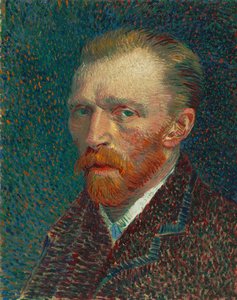
vincent willem van gogh
1853 - 1890 , Нидерланды
Основные сведения
- Artistic Movement Or Style: Постимпрессионизм
- Artists Or Movements Influenced By This Artist:
- Экспрессионизм
- Фовизм
- Artists Who Influenced This Artist:
- Рембрандт
- Жюльен Милле
- Date Of Birth: 30 марта 1853
- Date Of Death: 29 июля 1890
- Full Name: Vincent Willem van Gogh
- Nationality: Нидерландский
- Notable Artworks:
- Помидорщики
- Подсолнухи
- Звёздная ночь
- Place Of Birth: Зюндерт, Нидерланды
Похожие статьи

Beyond Impressionism: Exploring the Emotional Depth and Vibrant Mastery of Post-Impressionist Art
Discover the profound evolution of art beyond Impressionism. Explore the emotional depth, vibrant colors, and revolutionary techniques of Post-Impressionist masters like Van Gogh and Cézanne in this expert guide to art history's most expressive movement.


