


 Предпросмотр

 Поделиться
 Поделиться
 Детали произведения
 Руководство


 Скачать
 Похожие предметы
 Рентгенография
 Слайд-шоу
 Вопросы и ответы
 Статистика просмотров
Безымянное произведение Уильям Моррис

- 57.0 x 962.0 cm


 Читать далее
Жикле и арт-принты
Печать (жикле) или холст музейного качества с быстрыми сроками изготовления и широким выбором вариантов отделки. ( Купить картину ручной работы Перейти к цифровым изображениям)
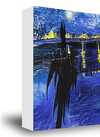



P118B $10
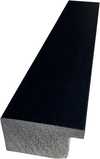
P118H $10
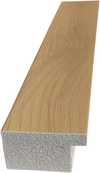
P118W $10

P438Z $10
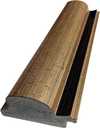
P508JH $12

P508YH $12
P805H $10
P805Z $10
P919BZ $10
P919G $10
P919XJ $10
P959ZH $10
P968JZ $12
W106C $8
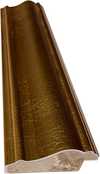
W218G $10

W218JH $8
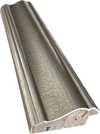
W218Y $10
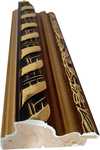
W307PJ $10

W316G $10
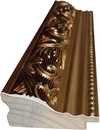
W316PJ $8
W316Y $10
W398PJ $8
W4111J $10
W500HY $15
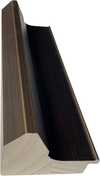
W500JH $15
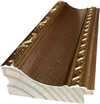
W692G $12
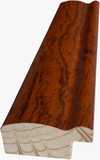
W849H $8
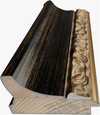
W940BG $15
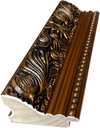
W953PJ $8
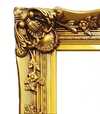
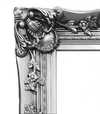
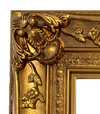
Выберите один из наших стандартных размеров, соответствующих оригинальным пропорциям произведения искусства.

Введите необходимую ширину и высоту, чтобы репродукция подошла к вашей раме или стене. При печати изображение можно только уменьшить, но нельзя увеличить больше оригинала, поэтому при выборе другого формата часть изображения может быть обрезана. Перед печатью мы отправим вам цифровой макет на утверждение. Изображение на этой странице не отображает реальную обрезку — ее можно увидеть только на макете.
Доставка по всему миру () за 2 недели вместо стандартных 4–5 недель. (16 Ноябрь)

Бесплатная экспресс-доставка по всему миру

Высококачественный льняной холст

Полное страхование при доставке

Гарантия возмещения таможенных пошлин

Гарантия точного цветового соответствия

100-дневная гарантия возврата (только при обнаружении дефектов)

Гарантия возврата 100% средств

Скидка при оптовом заказе
 Вариант со стеклом доступен только для размеров менее 110 см

None
Жикле и арт-принты
Размер репродукции
-


Итоговая стоимость
$ 65
Identification of the Pimpernel Wallpaper Design
The wallpaper design known as Pimpernel emerged from the mind of William Morris around 1876. This work reflects the vision of the English architect, designer, craftsman and theorist William Morris. It captures a specific moment in the late nineteenth century when the lines between domestic utility and fine art began to blur. The pattern seeks to bring the quiet rhythms of the natural world into the structured interiors of the Victorian era.
William Morris conceived this design as a way to integrate botanical life into the fabric of the home. The Pimpernel pattern is a wallpaper design that relies on the repetition of organic forms. It functions as a visual echo of the garden, translated into a rhythmic sequence of flora. Each line follows the logic of a growing stem or a reaching leaf.
The work exists as a structured arrangement of botanical elements. It is a product of the Arts and Crafts movement, born from a desire to prioritize the hand of the maker. Through this design, the artist sought to find a balance between the wildness of nature and the order of the printed surface. A single petal rests in the stillness of the pattern.
Visual Composition and Floral Motifs
Curvilinear acanthus leaves wind through the space, creating a rhythmic movement across the surface. These forms intertwine with climber willow and honeysuckle branches, forming a dense, interlocking network. The pattern relies on an intricate and detailed arrangement where every leaf and stem finds its place within the organic geometry. It is a quiet, structured growth.
Chrysanthemums and jasmines emerge from the foliage, their shapes softened by the surrounding greenery. Willow branches weave through the composition, adding a sense of layered depth to the botanical scene. The color palette remains restrained, dominated by shades of blue that suggest a calm, shaded garden. Ivory and pale greens provide a delicate contrast to these deeper tones.
Technique and Material Production
The creation of this design relied on the steady hand of the artisan. Using hand-printing techniques, the intricate floral patterns were pressed onto linen fabric. Each movement of the printer required precision to ensure the botanical forms appeared with a remarkable level of realism. The texture of the linen holds the ink, grounding the delicate shapes of the pimpernel and willow in a tangible, physical reality.
This labor-intensive process reflects a deep commitment to traditional artisanal skills. Rather than the sterile repetition of a machine, the work carries the weight of meticulous human effort. Every stem and leaf was placed with a specific intent, honoring the slow rhythm of manual craft. The final result is a surface where the organic lines of nature meet the disciplined touch of the maker.
Artistic Style and Movement Influence
The design belongs to the Arts and Crafts Movement, a reaction against the cold precision of the industrial age. It seeks a return to the hand of the maker. This piece carries a distinct Oriental influence, pulling from the quietude of the Far East to reshape Victorian interiors. The patterns do not shout; they whisper through a lens of Japonisme.
Eastern stylistic conventions dictate the flow of the composition. The work reflects the influence of Japanese design principles, favoring a restrained elegance over heavy ornamentation. It is a translation of distant aesthetics into a local language of line and form. The curvilinear movement of the stems mirrors the serene balance found in Japanese art.
This aesthetic approach creates a bridge between two worlds. The pattern uses the logic of the East to find a new rhythm for the English home. It is a quiet rebellion of nature against the machine. A single leaf rests in perfect, deliberate balance.
Current Location and Museum Collection
The Pimpernel wallpaper design resides within the Nacionálny múzeum dekoratívneho umelí Madrid. This collection preserves the work in Madrid, Spain. It remains a part of the National Museum of Decorative Arts. The physical presence of the piece is defined by its long, narrow scale, measuring 57 x 962 cm.
The museum halls hold this linen fragment. It rests as a quiet specimen of the Arts and Crafts Movement. The blue hues and floral lines exist here, kept within the Spanish institution. A stillness settles over the pattern in its current home.
Вопросы и ответы
Под какими еще именами известен Уильям Моррис?
Уильям Моррис также известен под именами Роза Уильяма Морриса.
Похожие произведения


Биография художника
William Morris (1834–1896): A Life Rooted in Nature and Romance
William Morris, born on March 24, 1834, in Walthamstow, Essex, emerged from a comfortably affluent middle-class background—a circumstance that afforded him the freedom to pursue passions rather than professions. His father’s success as a financier provided not only security but also an environment where aesthetic sensibilities could flourish. Morris's childhood was deeply shaped by the English countryside surrounding his home and a fascination with tales of medieval chivalry, laying the groundwork for a lifelong devotion to both natural beauty and romantic narratives. These early influences weren’t merely sentimental; they formed the core of his artistic philosophy. He wasn’t simply *inspired* by nature or the past—he believed in their inherent moral and aesthetic superiority to the rapidly industrializing present. His formal education at Oxford University initially steered him toward a clerical path, but it was within the vibrant intellectual circles of the university that his true calling began to take shape. He joined “The Set,” a group of students who shared an intense interest in art, literature, and medieval history, forging friendships—most notably with Edward Burne-Jones—that would profoundly impact his artistic trajectory. It was during this period that he encountered the writings of John Ruskin, whose critique of industrial society and advocacy for craftsmanship resonated deeply with Morris’s burgeoning beliefs.The Arts & Crafts Revolution
Following Oxford, a brief foray into architecture quickly gave way to painting, as Morris collaborated with Dante Gabriel Rossetti on mural projects. However, it was the founding of Morris, Marshall, Faulkner & Co. in 1861—later known simply as Morris & Co.—that marked a pivotal moment, not just in his career but in the history of design. This wasn’t merely a business venture; it was an attempt to create a new way of life, one where art permeated every aspect of daily existence and craftsmanship was valued above all else. Alongside Burne-Jones, Rossetti, Philip Webb, and others, Morris sought to revive traditional techniques and produce beautiful, well-made objects for the home. The firm’s early work was profoundly influenced by Red House—a rural retreat designed by Webb—where Morris lived from 1859 to 1865. This house embodied the Arts & Crafts ideal of creating a unified aesthetic environment through handcrafted furnishings and decoration, reflecting Morris's belief that beauty should be inseparable from functionality. He championed handmade craftsmanship as an antidote to the dehumanizing effects of mass production—a radical notion at a time when design was often seen as separate from function. This conviction extended beyond mere aesthetics; it was rooted in a deep social conscience and a desire to improve the lives of working people. Morris’s artistic vision wasn't confined to decorative arts; he also produced significant literary works, exploring themes of mythology, folklore, and utopian ideals.A Literary Voice Amidst Medieval Visions
Morris’s poetic output—including *The Earthly Paradise* and *A Dream of John Ball*—established him as a key figure in the Victorian fantasy genre. His poems captured the spirit of medieval chivalry and romantic idealism, reflecting his lifelong fascination with the past and its moral lessons. He skillfully blended mythology, folklore, and Christian symbolism to create narratives that transported readers to imaginative worlds—a feat remarkable for its time. Furthermore, Morris’s prose writings—such as *News from Nowhere*—presented a utopian vision of society based on communal ownership, ecological harmony, and artistic creativity. This ambitious project aimed to critique Victorian materialism and propose an alternative path toward human flourishing—a testament to his intellectual curiosity and his unwavering belief in the transformative power of art.Morris & Co.: Craftsmanship Elevated
The Morris, Marshall, Faulkner & Co. firm became synonymous with Arts & Crafts excellence. Under Morris’s leadership, the company produced a breathtaking array of decorative arts—furniture, stained glass windows, textiles, wallpapers, and carpets—each meticulously crafted by skilled artisans using traditional methods. These creations weren't simply aesthetically pleasing; they were imbued with symbolic meaning and reflected Morris’s profound understanding of natural forms and humanist values. The firm’s designs revolutionized interior decoration, rejecting the ornate styles of the Victorian era in favor of understated elegance and harmonious color palettes—a stylistic shift that continues to inspire designers today. Morris’s commitment to preserving historic buildings also cemented his legacy as a champion of cultural heritage. He founded the Society for the Preservation of Ancient Buildings to combat the destructive forces of industrialization and advocate for responsible architectural conservation.An Enduring Influence on Art and Thought
William Morris died October 3, 1896 in Bexleyheath, Kent. His work continues to resonate with artists and designers across disciplines—a testament to his enduring vision of beauty, craftsmanship, and social justice. He remains a pivotal figure in the Arts & Crafts movement and an inspiration for those who strive to create art that elevates human experience and fosters a deeper connection with the natural world. His legacy extends beyond individual artworks; it encompasses a broader ethos—one that prioritizes ethical production, aesthetic contemplation, and the pursuit of a more humane society.
Уильям Моррис
1834 - 1896 , Великобритания
Об авторе
- Artistic Movement Or Style: Арт Нуво
- Artists Or Movements Influenced By This Artist: ['Арт Нуво']
- Artists Who Influenced This Artist:
- Джон Рускин
- Эдуард Бурне-Жонс
- Date Of Birth: 24 марта 1834 г.
- Date Of Death: 3 октября 1896 г.
- Full Name: William Morris
- Nationality: Британский
- Notable Artworks:
- Солнце и луна ангелы
- Листья дуба во всех святых
- Иуда Маккабея
- Place Of Birth (City And Country): Валтамстоу, Великобритания
Похожие статьи

25 Must-See Masterpieces at the Museo del Prado, Madrid
Journey through history with the 25 greatest masterpieces of Madrid's Museo del Prado. From Velázquez to Goya, explore the stories behind these iconic works and find museum-quality art reproductions for your decor. Discover all masterpieces on AllPaintingsStore.com.

Victorian Botanical Art: A Professional Guide to Sourcing Timeless Floral Reproductions for Luxury Hotel Interiors
Elevate hospitality interiors with premium Victorian botanical art reproductions. A professional guide for hotel designers on sourcing hand-painted oils and large-scale murals, featuring expert procurement advice, bulk ordering, and reliable global logistics for luxury spaces.

Orientalism Art Movement: An Expert Guide to Exoticism and Masterpiece Reproductions for Luxury Interior Design
Master the use of Orientalist art in luxury hospitality. Our expert guide explores 19th-century masterpieces, offering professional insights for hotel designers sourcing high-quality, hand-painted oil reproductions and large-scale murals to create evocative, exotic interiors.
