


 Zobraziť v interiéri
 Odoslať
 Zdieľať
 Podrobnosti
 Príručkovo

 Stiahnuť
 Podobné položky
 RTG skúška
 Prehliadanie diapo\]
 Štatistiky
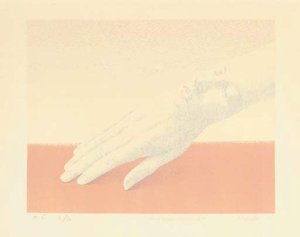
Palm impression of the right hand of A.N. Tagore


 Prečítať si viac
Ručne maľovaná olejová reprodukcia
Ručne maľovaný olej na plátne vo vašej zvolenej veľkosti a v ráme, vyrobený na mieru našimi umelcami. ( Prepnúť na tlač Prepnúť na digitálnu verziu obrazu)




P118B $10

P118H $10

P118W $10

P438Z $10

P508JH $12

P508YH $12

P805H $10

P805Z $10

P919BZ $10

P919G $10

P919XJ $10

P959ZH $10

P968JZ $12

W106C $8

W218G $10

W218JH $8

W218Y $10

W307PJ $10

W316G $10

W316PJ $8

W316Y $10

W398PJ $8

W4111J $10

W500HY $15

W500JH $15

W692G $12

W849H $8

W940BG $15

W953PJ $8




Vyberte si z našich preddefinovaných rozmerov, ktoré zodpovedajú pôvodným pomeroḿ diela.

Môžete zadať vlastné rozmery tak, aby sa hodili do konkrétneho rámu alebo priestoru. Ak sa váš zvolený rozmer nezhoduje s pôvodnými proporciami obrazu, dielo buď orezáme, alebo ho doplníme ručne maľovanými prvkami. Pred začiatkom výroby vám zašleme digitálny náhľad na schválenie.
Upozorňujeme, že ukážka na obrazovke neodráža skutočné orezanie ani doplnenie. Skutočnú finálnu kompozíciu zobrazuje iba digitálny náhľad.
Hoci sú k dispozícii vlastné rozmery, odporúčame vybrať rozmer z preddefinovaného zoznamu, aby sme zachovali pôvodné proporcie.
Po odoslaní objednávky vám tím AllPaintingsStore.com pošle e-mail s pokynmi a poskytne náhľad na návrh
Celosvetová doprava () za 3 až 4 týždne namiesto štandardných 5 týždňov. (21 september). Bez kompromisov v kvalite.

Bezplatná expresná doprava po celom svete

Vysokokvalitné lnianske plátno

Úplné poistenie prepravy

Záruka vrátenia colného poplatku

Záruka presného farebného zhodnutia

100-dená politika vrátenia tovaru (iba pri vadách)

100% záruka vrátenia peňazí

Ponuka množstevnej zľavy
 Možnosť skla je dostupná len pri rozmeroch pod 110 cm

Palm impression of the right hand of A.N. Tagore
Spôsob reprodukcie
Veľkosť reprodukcie
-


Celková cena
$ 258
A Tapestry of Tradition: Abanindranath Tagore’s “Palm Impression of the Right Hand of A.N. Tagore”
Within the rich tapestry of early 20th-century Indian art, Abanindranath Tagore's "Palm Impression of the Right Hand of A.N. Tagore" stands as a pivotal work – not merely a portrait, but a carefully constructed manifesto for a new artistic identity. Painted in 1937, this intimate piece transcends its simple subject matter to embody a profound yearning for cultural revival and a deliberate rejection of Western artistic dominance. It’s a window into the soul of a nation grappling with colonialism and seeking to reclaim its own heritage through the lens of art.
Tagore, a nephew of the literary giant Rabindranath Tagore, was deeply influenced by both traditional Indian iconography – particularly the Mughal miniature style – and the aesthetic principles espoused by Walter Whistler. However, he wasn’t content with mere imitation; instead, he sought to synthesize these influences into a distinctly ‘Swadeshi’ (meaning “of our country”) art form. This work exemplifies that ambition perfectly. The subject itself—a close-up of A.N. Tagore's hand—is rendered with an almost startling directness. It’s not a grand, heroic portrait, but a quiet, contemplative study, emphasizing the inherent dignity and wisdom within the individual.
The Language of Symbolism
The painting is far more than it appears at first glance. The dominant red pigment, applied with an impasto technique that creates a tactile surface, immediately evokes passion, life force, and the vital energy of India itself. Tagore’s hand, meticulously rendered in detail, isn't simply depicted; it’s imbued with symbolic weight. The palm, open and receptive, suggests openness to spiritual knowledge and connection to the divine – a core tenet of Hindu philosophy.
Notice the subtle details: the slight wrinkles around the knuckles, hinting at age and experience; the delicate veins visible beneath the skin, representing the flow of lifeblood; and the precise rendering of each finger, symbolizing individual aspects of human existence. The hand is not just a physical object but a conduit for deeper meaning. The background, a simple white wall, serves to isolate the subject, drawing our attention entirely to its symbolic significance.
Technique and Artistic Influences
Tagore’s technique skillfully blends elements of Mughal miniature painting with Western academic training. He employs meticulous detail reminiscent of Mughal artists, particularly in the rendering of the hand's anatomy and the intricate patterns within the palm. Yet, he departs from traditional Mughal conventions by utilizing a brighter palette and a more direct approach to composition – hallmarks of his modernizing vision. The brushstrokes are controlled but not overly refined, creating a sense of immediacy and intimacy.
Crucially, Tagore’s work reflects the influence of Whistler's aestheticism, which emphasized beauty over mere representation. He sought to capture the *essence* of his subject rather than simply replicating its outward appearance. This is evident in the painting’s focus on mood and atmosphere – a sense of quiet contemplation and spiritual resonance. The incorporation of Chinese calligraphy elements, later in his career, further demonstrates his desire to fuse Eastern and Western artistic traditions.
A Legacy of Revival
"Palm Impression of the Right Hand of A.N. Tagore" is more than just a beautiful painting; it’s a declaration of intent. It represents a conscious effort to redefine Indian art on its own terms, drawing inspiration from ancient traditions while rejecting Western artistic conventions. It's a testament to Abanindranath Tagore's vision and his pivotal role in shaping the course of modern Indian art. Today, this work continues to resonate with viewers who appreciate its profound symbolism, technical mastery, and enduring message of cultural pride.
Súvisiace diela




Biografia umelca
Raný život a pozadie
- Narodený: 7. mája 1861, Joransanko, Kalkata, Britská India
- Zomrel: 5. decembra 1951
- Rodina: Člen významnej rodiny Tagore; sestravec Rabindranatha Tagoreho. Jeho starším bratom bol Girindranath Tagore a jeho otcom Gunendranath Tagore.
- Vzdelanie: Študoval na Sanskrit College v Kalkate v 1880. rokoch a neskôr navštevoval Calcutta School of Art.
Umenlecký rozvoj a vplyvy
- Raná príprava: Učil sa pracovať s pastelkami od O. Ghilardiho a olejomaľbu od Charlesa Palmera na Calcutta School of Art.
- Mogulské a Rajputské štýly: Snažil sa tieto štýly modernizovať a zároveň odmietať západné umelecké vzory.
- Hodnoty Swadeshi: Do svojho umenia začlenil hodnoty hnutia Swadeshi, čím podporoval indické tradície.
- Whistlerov estetizmus: Bol ovplyvnený estetickými princípmi Jamesa Whistlera.
- Japonský vplyv: Po stretnutí s umelcami Tikanom a Hesidou neskôr do svojho štýlu začlenil čínske a japonské kaligrafické tradície.
Hlavné diela a umelecké príspevky
- Rohini II: Výrazné dielo demonštrujúce jeho umeleckú zručnosť.
- Smrť Šáh-džahána (Passing of Shajahan): Ďalšia významná maľba odrážajúca jeho štýl.
- Sezónny kvet vo váze: Predvedenie jeho majstrovstva v technike a problematike.
- Séria Tisíc a jednej noci (1930): Uznávaná ako jedno z jeho najväčších úspechov, kde využil príbehy z Tisíce a jednej noci na preskúmavanie koloniálnej Kalkaty.
- Bharat Mata: Významná maľba symbolizujúca Matku Indiu.
- Zakladateľ Bengálskej školy umenia: Zohral kľúčovú úlohu pri formovaní modernej indickej maľby a propagácii nacionalistického umenia.
- Indická spoločnosť orientálneho umenia (1907): Založil túto spoločnosť s cieľom podporiť tradičné indické umelecké formy.
Odkaz a historický význam
- Pionier modernej indickej maľby: Uznávaný ako kľúčová postava vo vývoji moderného indického umenia.
- Vplyv na neskorších umelcov: Mentoroval významných umelcov, ako boli Nandalal Bose, Asit Halder, Kshitindranath Majumdar a Jamini Roy.
- Obnova tradičných umeleckých foriem: Presadzoval návrat k tradičným indickým technikám a štýlom.
- Prínos k bengálskej detskej literatúre: Napísal vplyvné detské knihy ako Rajkahini,
- Národné umelecké poklady: Jeho diela sú považované za národné umelecké poklady.

Abanindranath Tagore
1871 - 1951 , India
Rýchle fakty
- Artistic Movement Or Style: Bengal School of Art
- Artists Or Movements Influenced By This Artist:
- Nandalal Bose
- Kshitindranath Majumdar
- Jamini Roy
- Artists Who Influenced This Artist:
- Whistler
- Mogulskí umelci
- Rajputskí umelci
- Date Of Birth: 7. mája 1871
- Date Of Death: 5. decembra 1951
- Full Name: Abanindranath Tagore
- Nationality: Indický
- Notable Artworks:
- Rohini II
- Smrť Šáh-džahána
- Sezónny kvet vo váze
- Place Of Birth: Jorasanko, India
Súvisiace články

The Barbizon School: A Professional Guide to Naturalism and Landscape Mastery for Interior Designers
Explore the Barbizon School's mastery of naturalism. An expert guide for hotel designers and procurement managers on sourcing high-quality landscape reproductions to elevate hospitality and corporate interiors with authentic, large-scale fine art solutions.

