


 Zobraziť v interiéri
 Odoslať
 Zdieľať
 Podrobnosti
 Príručka

 Stiahnuť
 Podobné položky
 RTG skúška
 Prehliadanie diapo\]
 Štatistiky
Pavilion
 Oil On Canvas
- WallArt
- Bengal School of Art
 23.0 x 16.0 cm
 Victoria Memorial Hall
 Prečítať si viac
Giclée / Umenotlač
Giclée tlač alebo plátno múzeálnej kvality s rýchlou výrobou a rôznymi možnosťami povrchovej úpravy. ( Objednať ručne maľovanú reprodukciu Prepnúť na digitálnu verziu obrazu)




P118B €10

P118H €10

P118W €10

P438Z €10

P508JH €12

P508YH €12

P805H €10

P805Z €10

P919BZ €10

P919G €10

P919XJ €10

P959ZH €10

P968JZ €12

W106C €8

W218G €10

W218JH €8

W218Y €10

W307PJ €10

W316G €10

W316PJ €8

W316Y €10

W398PJ €8

W4111J €10

W500HY €15

W500JH €15

W692G €12

W849H €8

W940BG €15

W953PJ €8




Vyberte si z našich preddefinovaných rozmerov, ktoré zodpovedajú pôvodným pomeroḿ diela.

Zadajte šírku a výšku, ktoré potrebujete, aby sa reprodukcia hodila k vášmu rámu alebo stene. Print možno len orezávať, nikdy však nemennú veľkosť zvětšiť oproti pôvodnému obrázku, preto pri inom formáte stráca časť obrazu. Pred samotným vytlačiacím procesom vám pošleme digitálny náhľad na schválenie. Obrázok zobrazený na tejto stránke nezobrazuje reálny rez — len digitálny náhľad ukazuje presný výsledok.
Celosvetová doprava () do 2 týždňov namiesto štandardných 4 až 5 týždňov. (26 október)

Bezplatná expresná doprava po celom svete

Vysokokvalitné lnianske plátno

Úplné poistenie prepravy

Záruka vrátenia colného poplatku

Záruka presného farebného zhodnutia

100-dená politika vrátenia tovaru (iba pri vadách)

100% záruka vrátenia peňazí

Ponuka množstevnej zľavy
 Možnosť skla je dostupná len pri rozmeroch pod 110 cm

Pavilion
Giclée / Umenotlač
Veľkosť reprodukcie
-


Celková cena
€ 56
Abanindranath Tagore’s “Pavilion”: A Bridge Between East and West
The artwork presented here, Abanindranath Tagore's "Pavilion," isn’t merely a depiction of a building; it’s a carefully constructed visual poem, a pivotal moment in the history of Indian art. Painted in 1907, during a period of intense nationalistic fervor and artistic experimentation, this work represents Tagore’s audacious attempt to synthesize traditional Indian aesthetics with Western influences – a strategy that fundamentally reshaped the landscape of modern Indian painting. It's a piece brimming with symbolism, inviting viewers to contemplate themes of spirituality, identity, and the evolving relationship between tradition and modernity.
Tagore, deeply influenced by the Japanese aesthetic—particularly its emphasis on calligraphy and flattened perspective—and inspired by the Mughal and Rajput miniature traditions, sought to create an art form that resonated with Indian sensibilities. He deliberately rejected the academic realism prevalent in Western art schools, which he viewed as cold and devoid of spiritual depth. Instead, he drew upon the rich visual vocabulary of ancient India – its vibrant colors, stylized forms, and symbolic imagery—and infused it with a distinctly modern sensibility. “Pavilion” exemplifies this approach perfectly; it’s not a photographic representation but rather an evocative interpretation, prioritizing mood and feeling over strict adherence to reality.
A Symphony of Color and Symbolism
The painting immediately captivates the eye with its rich palette—a deliberate departure from the muted tones favored by Western artists. Deep blues and greens dominate the composition, evoking a sense of tranquility and spirituality, while bursts of crimson, gold, and saffron inject vibrancy and energy. These colors aren’t simply decorative; they carry profound symbolic weight. Blue represents the heavens and spiritual realms, red signifies passion and life force, and gold embodies divinity and enlightenment. The use of these hues is deeply rooted in Hindu iconography and reflects Tagore's desire to reconnect with India’s ancient spiritual heritage.
The pavilion itself—a structure reminiscent of Mughal palaces but imbued with a distinctly Indian character—is rendered with a flattened perspective, echoing the style of Japanese woodblock prints. The arched doorway, framed by intricate floral motifs and stylized clouds, serves as a focal point, drawing the viewer’s eye into the heart of the composition. Notice the deliberate simplification of forms – a hallmark of both Mughal and Japanese art—which contributes to the painting's serene and contemplative atmosphere. The figures depicted within the pavilion are not realistically rendered but rather presented as stylized silhouettes, further emphasizing the work’s symbolic nature.
Historical Context and Artistic Significance
“Pavilion” was created during a crucial period in Indian history—the early 20th century—a time marked by growing nationalist sentiment and a desire to reclaim India's cultural identity after centuries of colonial rule. Tagore’s art played a significant role in this movement, providing a visual language for expressing Indian values and traditions. He founded the Bengal School of Art, which championed a distinctly Indian style of painting that drew inspiration from both ancient and contemporary sources. This school challenged the dominance of Western artistic styles and paved the way for a new generation of Indian artists.
Tagore’s work wasn't without its critics. Some accused him of diluting traditional Indian art by incorporating Western elements, while others praised his innovative approach to blending Eastern and Western aesthetics. However, “Pavilion” remains a testament to Tagore’s artistic vision—a bold and ambitious attempt to create an art form that was both deeply rooted in India's cultural heritage and open to new influences. It stands as a pivotal work in the development of modern Indian painting, demonstrating the power of art to shape national identity and express complex ideas.
A Timeless Masterpiece for Your Space
Reproduced on high-quality canvas or paper, Abanindranath Tagore’s “Pavilion” offers a captivating glimpse into India's rich artistic heritage. Its serene composition, vibrant colors, and evocative symbolism make it an ideal addition to any home or office space. Whether you are drawn to its spiritual depth, its historical significance, or simply its aesthetic beauty, this artwork is sure to inspire contemplation and add a touch of timeless elegance to your surroundings. Consider commissioning a hand-painted reproduction from AllPaintingsStore.com for a truly authentic experience.
Otázky a odpovede
Je „Pavilion“ od Abanindranath Tagore portrétna, krajinárska alebo štvorcová kompozícia?
„Pavilion“ od Abanindranath Tagore má formát Portrait. Formát určuje pomer strán kompozície.
Aká veľkosť tlače diela „Pavilion“ od Abanindranath Tagore sa hodí do odporúčanej miestnosti?
V miestnosti typu Living Room sa pre dielo „Pavilion“ odporúča veľkosť tlače Medium.
Ako sa dielo „Pavilion“ zapísalo do tém a štýlu umelca Abanindranath Tagore?
„Pavilion“ patrí k dielu Abanindranath Tagore v rámci smeru Bengal School of Art, ktorého zachytané témy zahŕňajú mughal, rajput, indian traditions, swadeshi values, nationalist art, colonial calcutta, urban life, tagore’s artistic synthesis”.
Súvisiace diela


Biografia umelca
Raný život a pozadie
- Narodený: 7. mája 1861, Joransanko, Kalkata, Britská India
- Zomrel: 5. decembra 1951
- Rodina: Člen významnej rodiny Tagore; sestravec Rabindranatha Tagoreho. Jeho starším bratom bol Girindranath Tagore a jeho otcom Gunendranath Tagore.
- Vzdelanie: Študoval na Sanskrit College v Kalkate v 1880. rokoch a neskôr navštevoval Calcutta School of Art.
Umenlecký rozvoj a vplyvy
- Raná príprava: Učil sa pracovať s pastelkami od O. Ghilardiho a olejomaľbu od Charlesa Palmera na Calcutta School of Art.
- Mogulské a Rajputské štýly: Snažil sa tieto štýly modernizovať a zároveň odmietať západné umelecké vzory.
- Hodnoty Swadeshi: Do svojho umenia začlenil hodnoty hnutia Swadeshi, čím podporoval indické tradície.
- Whistlerov estetizmus: Bol ovplyvnený estetickými princípmi Jamesa Whistlera.
- Japonský vplyv: Po stretnutí s umelcami Tikanom a Hesidou neskôr do svojho štýlu začlenil čínske a japonské kaligrafické tradície.
Hlavné diela a umelecké príspevky
- Rohini II: Výrazné dielo demonštrujúce jeho umeleckú zručnosť.
- Smrť Šáh-džahána (Passing of Shajahan): Ďalšia významná maľba odrážajúca jeho štýl.
- Sezónny kvet vo váze: Predvedenie jeho majstrovstva v technike a problematike.
- Séria Tisíc a jednej noci (1930): Uznávaná ako jedno z jeho najväčších úspechov, kde využil príbehy z Tisíce a jednej noci na preskúmavanie koloniálnej Kalkaty.
- Bharat Mata: Významná maľba symbolizujúca Matku Indiu.
- Zakladateľ Bengálskej školy umenia: Zohral kľúčovú úlohu pri formovaní modernej indickej maľby a propagácii nacionalistického umenia.
- Indická spoločnosť orientálneho umenia (1907): Založil túto spoločnosť s cieľom podporiť tradičné indické umelecké formy.
Odkaz a historický význam
- Pionier modernej indickej maľby: Uznávaný ako kľúčová postava vo vývoji moderného indického umenia.
- Vplyv na neskorších umelcov: Mentoroval významných umelcov, ako boli Nandalal Bose, Asit Halder, Kshitindranath Majumdar a Jamini Roy.
- Obnova tradičných umeleckých foriem: Presadzoval návrat k tradičným indickým technikám a štýlom.
- Prínos k bengálskej detskej literatúre: Napísal vplyvné detské knihy ako Rajkahini,
- Národné umelecké poklady: Jeho diela sú považované za národné umelecké poklady.

Abanindranath Tagore
1871 - 1951 , India
Rýchle fakty
- Artistic Movement Or Style: Bengal School of Art
- Artists Or Movements Influenced By This Artist:
- Nandalal Bose
- Kshitindranath Majumdar
- Jamini Roy
- Artists Who Influenced This Artist:
- Whistler
- Mogulskí umelci
- Rajputskí umelci
- Date Of Birth: 7. mája 1871
- Date Of Death: 5. decembra 1951
- Full Name: Abanindranath Tagore
- Nationality: Indický
- Notable Artworks:
- Rohini II
- Smrť Šáh-džahána
- Sezónny kvet vo váze
- Place Of Birth: Jorasanko, India
Súvisiace články

Raja Ravi Varma: Bridging Tradition & Modernity in 19th-Century Indian Art
Explore the life & art of Raja Ravi Varma, a pioneer who fused European techniques with Indian iconography. Discover his iconic paintings, lasting legacy, and influence on modern Indian art at AllPaintingsStore.
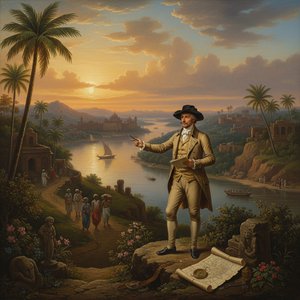
Thomas Daniell: Navigating Light, Landscape & Cultural Exchange in Early 19th-Century India
Explore the captivating landscapes of Thomas Daniell, a pioneering artist who documented India's beauty in the 19th century. Discover his 'Oriental Scenery,' aquatint technique & lasting legacy. Hand-painted reproductions available at AllPaintingsStore.

Joseph Henry Sharp: Capturing the Spirit of the Plains – Life, Art & Legacy
Explore the life & art of Joseph Henry Sharp, a founding member of the Taos Society of Artists renowned for his realistic depictions of Native American culture and Western landscapes. Discover his legacy with AllPaintingsStore.
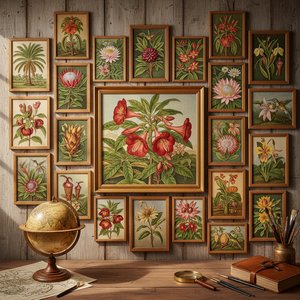
Marianne North: Top 25 diel umelkyne – Botanická krása pre váš domov | AllPaintingsStore
Objavte top 25 diel Marianne North, viktoriánskej umelkyne a botanickej ilustrátorky. Farebné obrazy exotických rastlín a tropickej flóry pre váš domov. Kvalitné reprodukcie obrazov na AllPaintingsStore.com – inšpirujte sa!
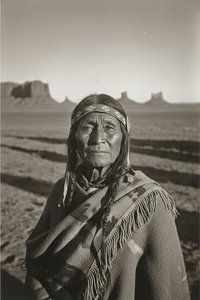
Shadow Catcher: Edward S. Curtis & the Ethnographic Portraiture of a Vanishing West
Explore the life & work of Edward S. Curtis, the 'Shadow Catcher,' and his groundbreaking photographic documentation of Native American cultures. Discover iconic images from *The North American Indian* and a critical look at his lasting legacy.

