


 Náhľad
 Odoslať
 Zdieľať
 Podrobnosti o dielo

 Stiahnuť
 Podobné diela
 RTG skúška
 Prezentácia
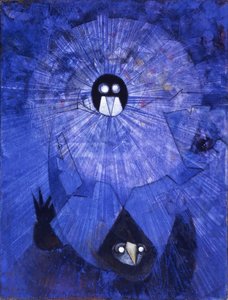
Le rocce dell
 Zobraziť viac
Giclée / Umenotlač
Giclée tlač alebo plátno múzeálnej kvality s rýchlou výrobou a flexibilnými možnosťami povrchovej úpravy. ( Kúpiť ručne maľovaný obraz Kúpiť obrázok)




































Vyberte si z našich preddefinovaných rozmerov, ktoré zodpovedajú pôvodným pomeroḿ diela.

Môžete zadať vlastné rozmery, aby sa reprodukcia prispôsobila konkrétnemu rámu alebo priestoru. Ak zvolená veľkosť nebude zodpovedať proporciám originálu, dielo buď orežeme, alebo obraz rozšírime pomocou zrkadlenia či farebného doplnenia okrajov. Pred začatím výroby vám pošleme digitálnu ukážku na schválenie.
Máte na vedomí, že náhľad na obrazovke neodzrkadľuje skutočné orezanie alebo rozšírenie. Len digitálna ukážka presne zobrazí finálnu kompozíciu.
Hoci sú k dispozícii vlastné rozmery, pre zachovanie pôvodných proporcií odporúčame vybrať si rozmer z vopred definovaného zoznamu.
Celosvetová doprava () do 2 týždňov namiesto štandardných 4/5 týždňov. (15 august)

Bezplatná expresná doprava po celom svete

Prémiové lnianske plátno

Kompletné poistenie prepravy

Záruka vrátenia colného poplatku

Záruka presného farebného zhodnutia

60-dňá politika vrátenia (iba pri defektoch)

100% záruka vrátenia peňazí

Výhodná množstevná zľava
 Možnosť skla je dostupná len pri rozmeroch pod 110 cm

Le rocce dell
Giclée / Umenotlač
Veľkosť reprodukcie
-


Celková cena za vybrané možnosti
$ 64
Podobné diela




Biografia umelca
The Architect of Abstraction: The Life and Vision of Achille Perilli
Achille Perilli stands as a monumental figure in the landscape of twentieth-century Italian art, a painter and sculptor whose brushstrokes helped redefine the boundaries of visual language in the post-war era. Born in Rome on January 28, 1927, Perilli’s early intellectual formation was deeply rooted in the classical traditions of his home city, yet his spirit was irrevocably drawn toward the avant-garde. His academic pursuits at the University of Rome, where he studied literature and prepared a thesis on the metaphysical master Giorgio de Chirico, provided him with a profound philosophical foundation. This early engagement with De Chirico’s haunting, dreamlike aesthetics instilled in Perilli a lifelong fascination with the power of the subconscious and the ability of non-representational forms to evoke deep, existential truths. As the dust of World War II settled over Europe, Perilli became a central protagonist in a movement that sought to shatter the dominance of Neorealism. In 1947, alongside visionaries such as Carla Accardi, Ugo Attardi, and Pietro Consagra, he co-founded the Forma 1 group. This collective was not merely an artistic circle but a revolutionary force, publishing manifestos that championed "pure form" and sought to harmonize formal experimentation with the social consciousness of the time. Through Formost 1, Perilli helped steer Italian art away from literal storytelling and toward a rigorous, intellectual abstraction that prioritized color, gesture, and geometric complexity.A Symphony of Color and Form
The evolution of Perilli’s technique is a journey through the very essence of light and space. In his early years, his work flirted with post-cubism, but through encounters with international masters like Jean Arp and Alberto Magnelli in Paris, he transitioned toward a more disciplined and concrete abstraction. His mature style became characterized by a breathtaking use of vibrant, often luminous colors that dance across the canvas, paired with geometric shapes that seem to defy gravity. He mastered the art of creating compositions featuring irregular, almost unresolved figures—shapes that resemble the projections of complex polyhedrons onto a flat plane. This deliberate "imprecision" was never an accident; rather, it was a calculated tool used to enhance the expressiveness of his work. By utilizing bright, rigorous colors and ambiguous forms, Perilli challenged the viewer’s perception, inviting them to find meaning within the tension between order and chaos. His ability to manipulate the sign and the mark allowed him to create works that felt both structurally sound and emotionally fluid, a duality that made him a leading voice in the international discourse on modernism.Legacy and Global Recognition
Perilli’s influence extended far beyond the borders of Italy, as his work resonated within the most prestigious art arenas of the world. His presence at the Venice Biennale—specifically in 1952, 1958, 1962, and 1968—marked him as a titan of contemporary innovation. During these exhibitions, entire rooms were often dedicated to his vision, showcasing a career that had successfully bridged the gap between Italian tradition and international avant-garde currents. His reach was truly global, with exhibitions spanning from New York and Chicago to Prague, Tokyo, and beyond. Beyond the canvas, Perilli’s contributions to the intellectual fabric of art were profound. He served as a vital cultural conduit, editing the influential review L’esperienza moderna with Gastone Novelli, which acted as a crucial link between Italian artists and the burgeoning French artistic culture. His accolades, including recognition from the President of the Republic of Italy, underscore his status as a national treasure. When he passed away in Orvieto in 2021, he left behind a legacy defined by:- The Pioneering of Abstract Expressionism: Leading the charge against Neorealism through the Forma 1 movement.
- A Unique Visual Vocabulary: The creation of a language based on geometric ambiguity and chromatic intensity.
- Cultural Stewardship: Acting as a bridge between diverse European artistic movements and fostering international dialogue.
- Interdisciplinary Mastery: Expanding his creative reach into sculpture, theatre, and editorial curation.

Achille Perilli
1927 - 2021 , Italy
Základné informácie
- Artistic Movement Or Style: Abstractionism
- Artists Or Movements Influenced By This Artist: Forma 1 Group
- Artists Who Influenced This Artist: Giorgio de Chirico
- Date Of Birth: Rome, Italy (1927)
- Date Of Death: 2021
- Full Name: Achille Perilli
- Nationality: Italian
- Notable Artworks: ['Le rocce dell']
- Place Of Birth: Rome



