


 Zobraziť v interiéri
 Odoslať
 Zdieľať
 Podrobnosti
 Príručkovo

 Stiahnuť
 Podobné položky
 RTG skúška
 Prehliadanie diapo\]
 Štatistiky
Portrait of Henry J. Heinz


 Prečítať si viac
Ručne maľovaná olejová reprodukcia
Ručne maľovaný olej na plátne vo vašej zvolenej veľkosti a v ráme, vyrobený na mieru našimi umelcami. ( Prepnúť na tlač Prepnúť na digitálnu verziu obrazu)




































Vyberte si z našich preddefinovaných rozmerov, ktoré zodpovedajú pôvodným pomeroḿ diela.

Môžete zadať vlastné rozmery tak, aby sa hodili do konkrétneho rámu alebo priestoru. Ak sa váš zvolený rozmer nezhoduje s pôvodnými proporciami obrazu, dielo buď orezáme, alebo ho doplníme ručne maľovanými prvkami. Pred začiatkom výroby vám zašleme digitálny náhľad na schválenie.
Upozorňujeme, že ukážka na obrazovke neodráža skutočné orezanie ani doplnenie. Skutočnú finálnu kompozíciu zobrazuje iba digitálny náhľad.
Hoci sú k dispozícii vlastné rozmery, odporúčame vybrať rozmer z preddefinovaného zoznamu, aby sme zachovali pôvodné proporcie.
Po odoslaní objednávky vám tím AllPaintingsStore.com pošle e-mail s pokynmi a poskytne náhľad na návrh
Celosvetová doprava () za 3 až 4 týždne namiesto štandardných 5 týždňov. (21 september). Bez kompromisov v kvalite.

Bezplatná expresná doprava po celom svete

Vysokokvalitné lnianske plátno

Úplné poistenie prepravy

Záruka vrátenia colného poplatku

Záruka presného farebného zhodnutia

100-dená politika vrátenia tovaru (iba pri vadách)

100% záruka vrátenia peňazí

Ponuka množstevnej zľavy
 Možnosť skla je dostupná len pri rozmeroch pod 110 cm

Portrait of Henry J. Heinz
Spôsob reprodukcie
Veľkosť reprodukcie
-


Celková cena
$ 258
Súvisiace diela


![Legend Of St Francis - [11] - St Francis Before The Sultan (trial By Fire) — Giotto Di Bondone, Proto-renaissance](/media/artworks/images-thumb/0d/32/0d328acfb6c90f7ef32707586e86044b.jpg)
![Legend Of St Francis - [16] - Death Of The Knight Of Celano — Giotto Di Bondone, Proto Renaissance](/media/artworks/images-thumb/05/f5/05f5b23fed3aaac850de301d74b05cd9.jpg)


![Legend Of St Francis - [24] - Canonization Of St Francis — Giotto Di Bondone, Gothic](/media/artworks/images-thumb/81/9b/819b5f0656848eb5cb3fcd40fd5756aa.jpg)

![Life Of Saint Francis - [04] - Death And Ascension Of St Francis — Giotto Di Bondone, Italian Renaissance](/media/artworks/images-thumb/08/8b/088b102b13c1a379233690905590f156.jpg)


Biografia umelca
John Martin: Architect of the Sublime
Born in 1789 amidst the rolling hills of Northumberland, England, John Martin’s life was a tapestry woven with both artistic brilliance and personal turmoil. His early years were marked by an apprenticeship to a coachbuilder, a seemingly unremarkable beginning for a man destined to become one of the most influential figures of the Romantic movement. However, this initial training instilled in him a meticulous attention to detail and a deep understanding of perspective – skills that would later inform his monumental canvases and dramatic engravings.
Martin’s artistic journey began with humble beginnings, supplementing his income through drawing lessons and producing intricate watercolours. He sought formal instruction from Boniface Musso, an Italian artist who introduced him to the techniques of enamel painting, a craft that honed his observational skills and appreciation for light and shadow. His family history was equally compelling; his brothers included William, an inventor, Richard, a soldier who fought in the Peninsular War, and Jonathan, a tragically unstable figure responsible for the devastating fire at York Minster. These familial connections shaped Martin’s worldview, exposing him to both innovation and profound human suffering.
Despite early attempts to gain recognition within the Royal Academy, Martin's work initially struggled to find its audience. His paintings were characterized by their immense scale, often depicting vast landscapes dominated by towering cliffs, turbulent seas, and ominous skies – a visual language that would come to define his signature style. These weren’t merely depictions of nature; they were explorations of the sublime—a concept central to Romanticism, representing awe-inspiring beauty intertwined with terror and the infinite. His subjects frequently drew from biblical narratives and classical mythology, but he imbued them with an intensely personal and emotionally charged atmosphere.
The Rise of a Master of Dramatic Composition
Martin’s breakthrough came through his engravings, particularly those based on *Belshazzar's Feast* (1839) and *The Fall of Nineveh* (1829). These meticulously crafted prints, produced with remarkable technical skill, captured the dramatic intensity of his paintings and reached a wider public than his original canvases ever could. Thomas Lawrence, a prominent contemporary artist, famously declared Martin “the most popular painter of his day,” a testament to the captivating power of his imagery. His engravings were not simply reproductions; they were reinterpretations, often emphasizing the emotional core of the scenes and utilizing innovative techniques to create a sense of depth and movement.
Martin’s artistic development was profoundly influenced by the works of earlier masters, particularly Claude Lorrain and Peter Paul Rubens. He absorbed their compositional strategies—the use of diagonal lines, dramatic lighting, and dynamic figures—and adapted them to his own unique vision. However, he pushed these influences further, imbuing his work with a distinctly Romantic sensibility – an emphasis on emotion, imagination, and the power of nature. His paintings were not intended to be mere representations; they were invitations to experience a profound emotional response.
Themes of Destruction and Redemption
Martin’s oeuvre is dominated by recurring themes of destruction, apocalypse, and spiritual struggle. Works like *The Great Day of His Wrath* (1852) depict the end of the world with terrifying grandeur, while *The Deluge* (1839) portrays a biblical flood as an overwhelming force of nature. These scenes are not simply catastrophic events; they represent humanity’s confrontation with its own mortality and the forces beyond its control. Yet, amidst this devastation, there is often a glimmer of hope—a suggestion of redemption or spiritual awakening.
His fascination with biblical narratives was particularly intense. *The Last Judgement* (1850-53), a monumental canvas depicting the arrival of Christ to judge humanity, exemplifies his ability to translate complex theological concepts into visually arresting imagery. Martin’s approach wasn't didactic; he aimed to evoke an emotional response, prompting viewers to contemplate their own place within the grand scheme of existence.
Legacy and Critical Reception
Despite achieving immense popularity during his lifetime, Martin faced considerable criticism from contemporary critics, most notably John Ruskin. Ruskin condemned Martin’s work as “dark,” “grotesque,” and lacking in moral substance, arguing that it exploited the viewer's emotions without offering any genuine spiritual nourishment. However, Ruskin’s criticisms ultimately failed to diminish Martin’s enduring influence.
Today, John Martin is recognized as a pivotal figure in the development of Romantic art. His dramatic compositions, evocative use of light and shadow, and exploration of profound themes continue to resonate with audiences. His engravings remain highly sought-after works of art, and his paintings are treasured for their power and emotional intensity. Martin’s legacy lies not only in his individual masterpieces but also in his pioneering role as an architect of the sublime—a visionary artist who captured the imagination and stirred the souls of generations.

albert francis king
1854 - 1945 , United States of America
Rýchle fakty
- Artistic Movement Or Style: Romanticism
- Artists Or Movements Influenced By This Artist: ['Ruskin']
- Artists Who Influenced This Artist: ['Boniface Musso']
- Date Of Birth: 19 July 1789
- Date Of Death: 17 February 1854
- Full Name: John Martin
- Nationality: English
- Notable Artworks:
- Belshazzar's Feast
- The Last Judgement
- Plains of Heaven
- Place Of Birth: Haydon Bridge, UK
Súvisiace články

Charles Bird King: Capturing Native American Dignity Through Portraiture & Cultural Exchange
Explore the captivating portraits of Charles Bird King, renowned for his depictions of Native American leaders. Discover the historical context, artistic techniques, and collecting value of these significant 19th-century artworks.
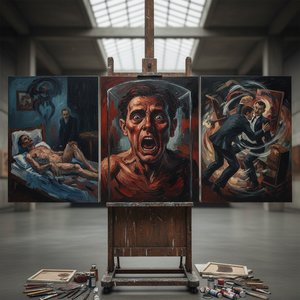
Francis Bacon: Top 25 diel pre milovníkov umenia a luxusný interiérový dizajn | AllPaintingsStore.com
Ponorte sa do sveta Francis Bacona s AllPaintingsStore.com! Objavte top 25 diel tohto majstra expresionizmu – portréty, triptychy a temné maľby plné emócií. Kúpiť reprodukcie obrazov pre luxusný interiérový dizajn. Preskúmajte celú kolekciu online!

Top 10 majstrovských diel fauvizmu: Výrazná umenie pre váš domov | AllPaintingsStore
Objavte 10 majstrovských diel fauvizmu od Matissea, Deraina a ďalších. Prežite intenzívne farby a expresívny štýl tohto revolučného umenia. Reprodukcie obrazov pre váš domov na AllPaintingsStore.com.
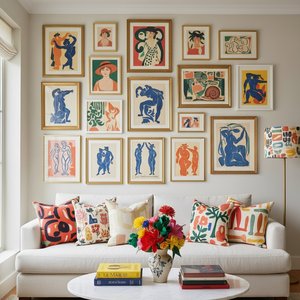
Henri Matisse: Top 25 diel pre milovníkov umenia a luxusného interiéru
Ponorte sa do sveta Henriho Matissea s našou exkluzívnou kolekciou 25 ikonických diel. Objavte príbehy za fauvizmom, farebnými kompozíciami a moderným umením. Reprodukcie obrazov pre luxusný interiér na AllPaintingsStore.com – preskúmajte celý katalóg online!

Robert Henri & the Spirit of American Realism: A Legacy of Urban Life and Artistic Independence
Explore the life & legacy of Robert Henri, a pivotal figure in American Realism. Discover his captivating portraits, influence on the Ashcan School, and enduring impact on art history. Learn more at AllPaintingsStore.

