

- Domov

- Tlač na plátno
- Charles André van Loo
- Self-Portrait

 Preview
 Objednať reprodukciu Kúpiť digitálnu verziu
 Odoslať
 Zdieľať
 Podrobnosti o dielo
 Pridať do obľúbených

 Stiahnuť
 Podobné diela
 RTG skúška
 Prezentácia
Self-Portrait
 Oil On Canvas
- WallArt
- Rococo
 1762
1762 88.0 x 72.0 cm
 Ermitáž
 Zobraziť viac
Giclée / Umenotlač
Giclée tlač alebo plátno múzeálnej kvality s rýchlou výrobou a flexibilnými možnosťami povrchovej úpravy.




P118B $10

P118H $10

P118W $10

P438Z $10

P508JH $12

P508YH $12

P805H $10

P805Z $10

P919BZ $10

P919G $10

P919XJ $10

P959ZH $10

P968JZ $12

W106C $8

W218G $10

W218JH $8

W218Y $10

W307PJ $10

W316G $10

W316PJ $8

W316Y $10

W398PJ $8

W4111J $10

W500HY $15

W500JH $15

W692G $12

W849H $8

W940BG $15

W953PJ $8




Vyberte si z našich preddefinovaných rozmerov, ktoré zodpovedajú pôvodným pomeroḿ diela.

Môžete zadať vlastné rozmery, aby sa reprodukcia prispôsobila konkrétnemu rámu alebo priestoru. Ak zvolená veľkosť nebude zodpovedať proporciám originálu, dielo buď orežeme, alebo obraz rozšírime pomocou zrkadlenia či farebného doplnenia okrajov. Pred začatím výroby vám pošleme digitálnu ukážku na schválenie.
Máte na vedomí, že náhľad na obrazovke neodzrkadľuje skutočné orezanie alebo rozšírenie. Len digitálna ukážka presne zobrazí finálnu kompozíciu.
Hoci sú k dispozícii vlastné rozmery, pre zachovanie pôvodných proporcií odporúčame vybrať si rozmer z vopred definovaného zoznamu.
Celosvetová doprava () do 2 týždňov namiesto štandardných 4/5 týždňov. (27 júl)

Bezplatná expresná doprava po celom svete

Prémiové lnianske plátno

Kompletné poistenie prepravy

Záruka vrátenia colného poplatku

Záruka presného farebného zhodnutia

60-dňá politika vrátenia (iba pri defektoch)

100% záruka vrátenia peňazí

Výhodná množstevná zľava
 Možnosť skla je dostupná len pri rozmeroch pod 110 cm

Self-Portrait
Giclée / Umenotlač
Veľkosť reprodukcie
-


Celková cena za vybrané možnosti
-
Popis predmetu
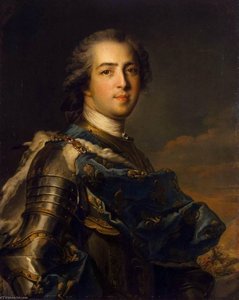
A Portrait of Inner Reflection: Charles-André van Loo’s “Self-Portrait”
The year 1762 witnessed a pivotal moment in the artistic landscape of France – the creation of Charles-André van Loo's "Self-Portrait." More than simply a likeness, this painting is a carefully constructed meditation on identity, status, and the burgeoning Rococo aesthetic. Van Loo, a key figure within his family’s esteemed dynasty of painters, presents himself not as a flamboyant courtier or a heroic warrior, but as a thoughtful observer, subtly imbued with an air of quiet contemplation. The portrait immediately draws the eye to the artist's direct gaze, a deliberate act of engagement that invites the viewer into a private moment.
Van Loo’s style is quintessential Rococo – characterized by its delicate brushwork, pastel hues, and an emphasis on elegant ornamentation. He employs a loose, almost impressionistic technique, favoring soft transitions between light and shadow to create a sense of atmospheric depth. The rich fabrics of his suit—a deep burgundy velvet accented with gold embroidery—speak volumes about his position within the French court, while the subtle details – the meticulously rendered lace collar, the gleaming sword on his side – reinforce this image of refined authority. Yet, it’s not merely a display of wealth; these elements are presented with an understated grace that suggests a considered awareness of their symbolic weight.
The Context of 18th-Century Portraiture
To fully appreciate “Self-Portrait,” one must understand the evolving context of portraiture during the mid-18th century. Following the grandeur of the Baroque period, artists began to shift towards a more intimate and psychologically nuanced approach. The rise of the middle class fueled demand for portraits, but royal patronage continued to shape artistic trends. Artists like Van Loo were tasked with capturing not just physical likenesses, but also conveying an individual’s character and social standing. Van Loo's self-portrait reflects this trend – it is a carefully crafted statement about his identity as both artist and member of the elite.
Interestingly, the portrait predates the widespread popularity of the self-portrait as a genre. While artists had occasionally depicted themselves in various roles throughout history, Van Loo’s work stands out for its directness and lack of theatricality. He avoids overtly dramatic poses or elaborate settings, opting instead for a simple, uncluttered composition that focuses entirely on his own image. This deliberate restraint speaks to the artist's confidence and self-awareness – he is not seeking to impress, but rather to present himself honestly.
Symbolism and Emotional Resonance
Beyond its technical merits, “Self-Portrait” is rich in symbolic detail. The sword, a traditional emblem of power and authority, suggests Van Loo’s role as a court painter – a position that demanded both artistic skill and political savvy. However, the sword is not brandished aggressively; it rests calmly on his hip, hinting at a measured approach to wielding influence. The background—a plain wall—further emphasizes the artist's focus on himself, creating an aura of introspection.
Perhaps most powerfully, the painting evokes a sense of quiet contemplation. Van Loo’s gaze is direct and unwavering, yet there is also a hint of melancholy in his expression. It’s as if he is reflecting on his own life, his work, and the complexities of his position within society. The subtle shading around his eyes and mouth contributes to this feeling of emotional depth, inviting the viewer to share in his private thoughts. The painting isn't merely a representation of a man; it’s an invitation into his inner world.
A Timeless Masterpiece: Reproduction Possibilities
Charles-André van Loo’s “Self-Portrait” remains a captivating work of art, offering a rare glimpse into the mind and soul of a prominent 18th-century artist. High-quality reproductions capture the delicate brushwork and nuanced color palette that define this masterpiece. Whether displayed in a formal salon or a contemporary living space, this portrait continues to resonate with viewers today, reminding us of the enduring power of self-reflection and artistic expression. AllPaintingsStore offers meticulously crafted hand-painted reproductions, allowing you to bring this timeless work into your home.
Podobné diela




Biografia umelca
Raný život a vzdelanie
- Narodenie: 15. februára 1705, Nice, Francúzsko
- Rodinné prostredie: Syn Louisa-Abrahama van Looho a mladší brat Jean-Baptiste van Looho. Člen úspešnej dynastie holandských maliarov.
- Rané vzdelanie: Počiatočné školenie v Turíne, po ktorom nasledovaly štúdie v Ríme (1712) pod vedením Benedetta Lutiho a Pierre Legrosa.
- Parížske štúdie: Študoval na Académie royale, kde v roku 1723 získal prvú cenu za kreslenie a v roku 1727 za historické maliarstvo.
Umelecká kariéra a významné diela
- Štýl: Predovšetkým známy ako maliar rokoká, ktorý je charakteristický eleganciou, gráciou a bohatými detailmi.
- Témika: Široký rozsah vrátane portrétov, mytologických scén, historických malieb, alegórií a žánrových scén.
- Významné diela:
- Venuša a Amor (Kunsthalle Bremen) – Demonštruje majstrovstvo rokokového štýlu.
- Zastavenie poľovníkov (The Metropolitan Museum of Art) – Zachytáva aristokratické aktivity.
- Portrét Marie Leszczynskej, kráľovnej Francúzska – Významný kráľovský portrét.
- Jupiter a Antiope – Predstavuje mytologické témy.
- Autoportrét – Poskytuje pohľad na umeleckú sebavedomosť autora.
- Perseus a Andromeda (viaceré verzie) – Ilustruje schopnosť zobrazovať klasickú mytológiu.
- Mademoiselle Clairon ako Medea (malá verzia) – Pútavý rokokový portrét z roku 1760.
Protektorát a kráľovské uznanie
- Kráľovský protektorát: Užíval si podporu Madame de Pompadour a francúzskeho dvora.
- Vymenovanie na dvore: V roku 1762 sa stal prvým maliarom kráľa Louisa XV, čo bola veľmi prestížna pozícia.
- Rad svätého Michala: Bol vyznamenaný Radom svätého Michala, čo bolo symbolom kráľovskej priazne.
Vplyvy a odkaz
- Rodinný vplyv: Silne ovplyvnený svojím otcom a bratom, ktorí boli obaja uznávaní maliari.
- Sútenie: Súťažil s Françoisom Boucherom, ďalším významným predstaviteľom rokoká.
- Moderná francúzska škola: Jeho „jednoduchosť štýlu a správnosť kompozície“ zásadne ovplyvnili modernú francúzsku školu maliarstva.
- Kritický osud: Hoci jeho umelecké postavenie v čase kolísalo, jeho zručnosť a šírka jeho tvorby si vyžadujú úctu.
Múzejne kolekcie a ďalšie objavovanie
- Prítomnosť v múzeách: Jeho diela sú zastavené v prominentných múzeách, vrátane Louvru (Svadba Panny Mária), Kunsthalle Bremen a The Metropolitan Museum of Art.
- Ďalšie zdroje:
- Stránka Charles-André van Loo na AllPaintingsStore: https://www.AllPaintingsStore.com/artists/charles-andre-van-loo/
- Stránka Najväčších umelcov všetkých čias na AllPaintingsStore: https://www.AllPaintingsStore.com/greatest-artists
- Virtuálne múzeum AllPaintingsStore: https://www.AllPaintingsStore.com/
- Článok na Wikipedia: https://en.wikipedia.org/wiki/Charles-Andr%C3%A9_van_Loo

Charles André van Loo
1705 - 1765 , Francúzsko
Základné informácie
- Artistic Movement Or Style: Rokoko
- Artists Or Movements Influenced By This Artist: ['Modern French school']
- Artists Who Influenced This Artist:
- Benedetto Luti
- Pierre Le Gros
- Date Of Birth: Feb 15, 1705
- Full Name: Charles André van Loo
- Nationality: Francúzsky
- Notable Artworks:
- Venus and Amor
- Halt of the Hunt
- Portrait of Marie Leszczynska
- Jupiter and Antiope
- Place Of Birth: Nice, France
Súvisiace články

Vincent van Gogh: Top 25 majstrovských diel pre váš domov | AllPaintingsStore.sk
Ponorte sa do sveta Vincenta van Gogha s AllPaintingsStore.sk! Objavte top 25 majstrovských diel – od Slnečníc po Hviezdy nad Rónou. Kvalitné reprodukcie obrazov, impresionizmus a postimpresionizmus pre váš domov. Preskúmajte plátna online.
Rembrandt van Rijn: Top 25 Majstrovských Diel pre Váš Domov | AllPaintingsStore
Ponorte sa do sveta Rembrandta van Rijna s AllPaintingsStore.com! Objavte 25 majstrovských diel holandského baroka, portrétov a ikonických obrazov plných svetla a tieňa. Kúpiť kvalitné reprodukcie pre váš interiér. Preskúmajte celú kolekciu online!

Charles-André van Loo: A Study in Rococo Portraiture & the French Court's Artistic Dynamics
Explore the elegant world of Charles-André van Loo, a master of Rococo portraiture at the French court. Discover his life, techniques, and enduring influence on 18th-century art. Hand-painted reproductions available.

Top 10 portrétov: Majstrovské diela a ich príbehy pre váš domov | AllPaintingsStore
Objavte top 10 portrétov od Leonarda da Vinciho, Van Gogha a Rembrandta. Prežite príbehy slávnych umelcov a ich majstrovských diel. Reprodukcie obrazov pre luxusný dekor vášho domova na AllPaintingsStore.com
Sir Joshua Reynolds: Top 25 Majstrovských Diel pre Váš Domov | AllPaintingsStore.com
Objavte top 25 majstrovských diel Sir Joshua Reynoldsa! Ponorte sa do sveta klasicizmu a rokokó, portrétov plných elegancie a histórie. Reprodukcie obrazov pre váš domov na AllPaintingsStore.com – múzejná kvalita a inšpirácia pre interiér.





