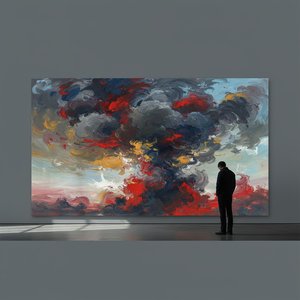
1971. Acrylic On Canvas, 202.0 x 165.0 cm. Metropolitné múzeum umenia.

§ 1Catalogue data

- 202.0 x 165.0 cm


Toto dielo je chránené autorským právom
Umelecké dielo zobrazené na tejto stránke je chránené autorským zákonom, čo znamená, že nemôžeme legálne vytvárať ani predávať jeho identickú reprodukciu. Táto ochrana je vymáhaná na základe medzinárodných dohôd, ako napríklad Bernská konvencia a národnými zákonmi, vrátane tých, ktoré sú stanovené v Autorské právo USA – Title 17. Všetky práva vyhradené.
Ako rešpektujúca a legálna alternatíva ponúkame vlastné, ručne maľované diela inšpirované originálom. Naši skúsení a profesionálni umelci dôkladne študujú štýl, náladu a umelecký podnet originálu, aby vytvorili nové, jedinečné dielo, ktoré vyvoláva rovnaký pocit – pričom samo ostáva vlastným originálnym dielom.
Táto metóda plne dodržiava autorské práva, pretože nezahŕňa kopírovanie ani duplikovanie chráneného diela. Ide skôr o kreatívnu reinterpretáciu – nový obraz, ktorý je ovplybnený originálom, no nie je s ním identický.
 Zobraziť viac
§ 2Abstract
Popis zberateľského predmetu
Experience Clyfford Still’s powerful Untitled (1938) – a striking black & white face painting. Explore abstract expressionism's raw emotion. Hand-painted reproduction available.
Biografia umelca
Clyfford Still (1904-1980) bol americký expresionista známy svojimi monumentálnymi, nefiguratívnymi maľbami, ktoré skúmali život, smrť a prírodu dynamickými farebnými poliami a šípkavými formami. Pionier tohto hnutia, jeho diela zásadne ovplyvnili modernú tvorbu.
§ 3Commentary
A Descent into Color: Unpacking Clyfford Still's Untitled
Clyfford Still’s 1971 painting, “Untitled,” isn’t a landscape to be observed or a figure to be deciphered. Instead, it’s an experience—a visceral plunge into the heart of abstract expressionism, rendered with a deliberate roughness and a profound sense of urgency. The work immediately commands attention through its dominant verticality; these stark lines, painted in deep black against a bruised crimson backdrop, create a powerful division within the canvas, suggesting both containment and explosive release. This isn’t an attempt to mimic nature or represent recognizable forms; rather, Still utilizes color and line as primary languages of feeling, conveying a complex emotional state through their interaction.

The Sculptural Surface: Technique and Materiality
What initially appears as a simple color field painting reveals itself to be remarkably tactile upon closer inspection. Still’s technique is deliberately unrefined, eschewing the smooth, blended surfaces favored by some of his contemporaries. Thick, visible brushstrokes—evidence of application with palette knives or similar tools—build up layers of paint that possess an almost sculptural quality. The edges aren't neatly finished; instead, they exhibit signs of wear and tear – peeling paint, a deliberate rejection of the pristine aesthetic. This roughness isn’t accidental; it speaks to the artist’s process, his engagement with the materiality of the canvas itself, and perhaps even a reflection of the emotional turmoil he sought to express. The varying thickness of the paint—thicker in the central lines, thinner around the edges—creates subtle shifts in tone and texture, adding depth and dynamism to the composition.
A Dialogue with Abstraction: Context and Influence
Clyfford Still emerged as a pivotal figure within Abstract Expressionism, yet his approach was markedly distinct. Unlike the gestural energy of Jackson Pollock or the meditative color fields of Mark Rothko, Still’s work is characterized by its stark geometry and raw emotional intensity. Born in 1904 amidst the vast landscapes of North Dakota, his early life instilled a deep connection to the natural world – a connection that subtly informs the painting's underlying tension. His shift towards non-figurative abstraction occurred earlier than many of his peers, forging a path toward a new visual language rooted in personal experience and emotional expression. The 1971 “Untitled” exemplifies this approach, moving beyond mere color to explore the very essence of form and feeling. It’s important to note that Still deliberately distanced himself from the commercial art world later in his career, prioritizing artistic integrity over market appeal – a stance reflected in the painting's unpolished surface and uncompromising emotional directness.
Decoding the Emotion: Symbolism and Interpretation
While devoid of explicit imagery, “Untitled” is profoundly evocative. The stark vertical lines can be interpreted as barriers—divisions between states of being, perhaps—while the crimson background suggests both passion and danger. The green areas, applied more thinly, might represent moments of respite or vulnerability within this turbulent landscape. Still’s work resists easy interpretation; it invites viewers to project their own emotions and experiences onto its surface. It's a painting that demands engagement, prompting reflection on themes of isolation, struggle, and the fundamental nature of human experience. The deliberate lack of resolution—the unfinished edges, the raw texture—suggests an ongoing process, a perpetual state of becoming rather than a fixed representation.
Otázky a odpovede
O aký druh diela ide pri „Untitled"?
V katalógu je dielo „Untitled“ od Clyfford Still klasifikované ako WallArt. Táto kategória pomáha vyhľadávať podobné práce.
Ako si môžem stiahnuť obrázok diela „Untitled“ od Clyfford Still?
„Untitled“ od Clyfford Still si môžete stiahnuť ako stiahnutie digitálneho obrázka vo vysokom rozlíšení na stránke pre dané dielo: Stiahnuť digitálnu verziu.
Je „Untitled“ od Clyfford Still v portrétnej, krajinárskej alebo štvorcovej kompozícii?
„Untitled“ od Clyfford Still má formát Portrait. Tento formát určuje pomer strán kompozície.


 Prepnúť na tlač


 V prípade umeleckých diel alebo reprodukcií, ktorých ktorákoľvek strana je väčšia ako 105 cm (cca 41 palcov), sa rám dodáva v rozloženom stave ako sada. Táto metóda zabezpečuje bezpečnú доставu a chráni pred poškodením počas prepravy.