


 Zobraziť v interiéri
 Odoslať
 Zdieľať
 Podrobnosti
 Príručkovo

 Stiahnuť
 Podobné položky
 RTG skúška
 Prehliadanie diapo\]
 Štatistiky
The Village Doctor


 Prečítať si viac
Ručne maľovaná olejová reprodukcia
Ručne maľovaný olej na plátne vo vašej zvolenej veľkosti a v ráme, vyrobený na mieru našimi umelcami. ( Prepnúť na tlač Prepnúť na digitálnu verziu obrazu)




P118B $10

P118H $10

P118W $10

P438Z $10

P508JH $12

P508YH $12

P805H $10

P805Z $10

P919BZ $10

P919G $10

P919XJ $10

P959ZH $10

P968JZ $12

W106C $8

W218G $10

W218JH $8

W218Y $10

W307PJ $10

W316G $10

W316PJ $8

W316Y $10

W398PJ $8

W4111J $10

W500HY $15

W500JH $15

W692G $12

W849H $8

W940BG $15

W953PJ $8




Vyberte si z našich preddefinovaných rozmerov, ktoré zodpovedajú pôvodným pomeroḿ diela.

Môžete zadať vlastné rozmery tak, aby sa hodili do konkrétneho rámu alebo priestoru. Ak sa váš zvolený rozmer nezhoduje s pôvodnými proporciami obrazu, dielo buď orezáme, alebo ho doplníme ručne maľovanými prvkami. Pred začiatkom výroby vám zašleme digitálny náhľad na schválenie.
Upozorňujeme, že ukážka na obrazovke neodráža skutočné orezanie ani doplnenie. Skutočnú finálnu kompozíciu zobrazuje iba digitálny náhľad.
Hoci sú k dispozícii vlastné rozmery, odporúčame vybrať rozmer z preddefinovaného zoznamu, aby sme zachovali pôvodné proporcie.
Po odoslaní objednávky vám tím AllPaintingsStore.com pošle e-mail s pokynmi a poskytne náhľad na návrh
Celosvetová doprava () za 3 až 4 týždne namiesto štandardných 5 týždňov. (21 september). Bez kompromisov v kvalite.

Bezplatná expresná doprava po celom svete

Vysokokvalitné lnianske plátno

Úplné poistenie prepravy

Záruka vrátenia colného poplatku

Záruka presného farebného zhodnutia

100-dená politika vrátenia tovaru (iba pri vadách)

100% záruka vrátenia peňazí

Ponuka množstevnej zľavy
 Možnosť skla je dostupná len pri rozmeroch pod 110 cm

The Village Doctor
Spôsob reprodukcie
Veľkosť reprodukcie
-


Celková cena
$ 333
A Window into a 17th-Century World: David Teniers the Younger’s “The Village Doctor”
David Teniers the Younger's "The Village Doctor," painted in 1665, isn’t merely a depiction of a scene; it’s a meticulously crafted portal into the heart of Dutch Golden Age life. This oil painting, brimming with detail and imbued with a palpable sense of realism, transports us to a humble village setting where medicine, community, and everyday routines intertwine. The composition is remarkably complex, a deliberate layering of figures within a deliberately cluttered interior – a testament to Teniers’ skill in creating depth and visual interest. It's a scene that invites prolonged contemplation, revealing subtle narratives and hinting at the social dynamics of the time.
- The Setting: The painting unfolds within what appears to be a village doctor’s office or apothecary – a space both practical and imbued with a quiet dignity. The walls are adorned with books and instruments, suggesting a dedication to knowledge and healing.
- Central Figures: The focal point is the elderly physician, his turban and long white beard immediately evoking a sense of wisdom and experience. His act of dispensing medicine – pouring liquid into a cup for another individual – embodies the core function of this humble establishment. The younger man reading at the table adds an element of scholarly pursuit, hinting at the importance of learning in this era.
- Background Activity: The shadowy figures engaged in chess and examining patients contribute to the bustling atmosphere, illustrating that medicine wasn’t a solitary profession but was deeply integrated into the fabric of village life.
A Masterclass in Dutch Realism – Technique and Style
Teniers' mastery lies not just in his subject matter but also in his execution. The painting is firmly rooted in the style of Dutch Golden Age realism, a movement characterized by an unwavering commitment to accurate observation and meticulous detail. The artist’s brushwork is remarkably textured – impasto strokes build up layers of paint, creating a tactile quality that invites the viewer to almost feel the rough surface of the walls or the weight of the medical instruments. The use of light is dramatic, originating from an unseen source above and to the left, casting strong shadows that define the forms and add significant depth to the scene. The color palette, dominated by browns, ochres, and muted greens, reflects the earthy tones of the setting and reinforces the painting’s grounded realism.
Note the careful rendering of fabrics – the folds of clothing, the texture of blankets – demonstrating Teniers' keen eye for detail and his ability to capture the nuances of material surfaces. The perspective is skillfully employed, creating a convincing sense of space within the room and drawing the viewer into the scene.Symbolism and Social Commentary
Beyond its immediate depiction of village life, “The Village Doctor” carries layers of symbolic meaning. The elderly physician represents not just a healer but also a keeper of knowledge and tradition. The act of dispensing medicine can be interpreted as an offering of care and compassion – a fundamental value within the community. The inclusion of figures engaged in scholarly pursuits underscores the importance of education and intellectual curiosity. Furthermore, the scene subtly reflects the social hierarchy of the time, with the physician holding a position of authority and respect.
The painting serves as a poignant reminder of the vital role that medicine played in shaping rural communities and the enduring connection between health, knowledge, and human well-being.Historical Context & Artistic Legacy
Painted in 1665, “The Village Doctor” reflects the flourishing artistic landscape of the Dutch Golden Age – a period marked by unprecedented prosperity, intellectual curiosity, and artistic innovation. David Teniers the Younger was a prolific artist known for his versatility, working across various genres including history painting, genre scenes, and landscapes. His association with Peter Paul Rubens profoundly influenced his style, while he also drew inspiration from other Flemish masters like Pieter Bruegel the Elder. The painting’s enduring appeal lies in its ability to capture a specific moment in time – a glimpse into the daily lives of people who lived centuries ago. Reproductions of this masterpiece offer a beautiful and insightful window into a bygone era, preserving the artistry and social commentary of David Teniers the Younger for generations to come.
Súvisiace diela


Biografia umelca
David Teniers mladší: Život a odkaz
Raný život a rodinné prostredie
- Narodenie: Antverpy, Belgicko, 15. decembra 1610.
- David Teniers mladší pochádzal z rodiny, ktorá bola hlboko zakorenená v umeleckej tradíencii Flándska. Jeho otec, David Teniers starší, bol tiež maliarom a niekoľko jeho súrodencov sa rozhodlo nasledovať túto umeleckú cestu.
- Školenie: Pôvodne študoval pod vedením svojho otca, kde získal základné vzdelanie v oblasti maliarskych techník a štýlov.
- Rodina sa v niektorých obdobiach potýkala s finančnými deťmi, čo mladého Davida donútilo vytvárať kopie starších majstrovských diel, aby pomohol prispieť k domácemu rozpočtu.
Umelecký rozvoj a vplyvy
- Rané vplyvy: Jeho raná tvorba bola silne ovplyvnená štýlom jeho otca, pričom sa zameriavala skôr na menšie kabinetné malby. Do svojej tvorby si však neskor začal osvojovať vplyvy aj iných flámskych majstrov, ako bol napríklad Pieter Bruegel starší. Rubensov dopad:
- Zlomovým momentom v Teniersovom vývoji bola jeho spolupráca s Peterom Paulom Rubensom. Oženil sa pre Annu Brueghel, dcéru Jana Brueghela staršieho, a Rubens bol pri ich svadbe dokonca svadobným svedkom, čo medzi nimi vytvorilo blízky vzťah.
- Špecializácia na žáner: Teniers sa postupne špecializoval na žánrové malbas – zachytávanie každodenného života – a získal slávu vďaka svojim živým scénam z ľudových veselíc (kermess), interiérom krčiem a dedinskej krajine.
Hlavné diela a umelecký štýl
- Žánrové scény: Jeho najslávnejšie diela sú práve jeho žánrové obrazy. Tie často zobrazujú rušné scény zo života prostého ľudia, plné radosti, tanca, pitia a zábavy.
- Maľby kermess: Séria „Flemish Kermess“ je dokonalým príkladom jeho štýlu – plného živých farieb, detailných kompozícií a bystrej pozorování ľudského správania.
- Tvorba krajin
- Teniers vytváral aj očarujúce krajinárske maľby, ktoré často dopĺňali postavy zapojené do vidieckych činností.
- Interiéry krčiem: Jeho scény v krčmách sú obzvlášť významné pre svoj realistický portrét každodenného života a živú atmosféru, ktorá v týchto priestoroch panuje.
Dvorský maliar a kurátor
- Služba arcipadukovi Leopoldovi Wilhelmovi: Teniersovo nadanie si získalo uznanie na habsburskom dvore. Stal sa dvorským maliarom a kurátorom pre arcipaduka Leopolda Wilhelma, generálneho guvernéra Španielskeho Nizozemí.
- Správa zbierky: Ako kurátor bol zodpovedný za správu rozsiahlej umeleckej zbierky arcipaduka, čo zahŕňalo vytváraním inventárov a katalogizáciu jednotlivých diel.
- Založenie akadémie v Antverpách: Teniers zohral kľúčovú úlohu pri založení Antverpskej akadémie krásnych umení, pričom jeho cieľom bolo oživiť flámske maľby po období úpadku, ktoré nastalo po smrti Rubensov a Van Dycka.
Historický význam a odkaz
- Predná žánrová maliarka: David Teniers mladší je považovaný za najvýznamnejšieho flámskeho žánrového maliara svojej doby, ktorý dokázal s neuveriteľnou zručnosťou zachytiť podstatu života v 17. storočí.
- Vplyv na neskorších umelcov: Jeho tvorba ovplyvnila nasledujúce generácie severoeurópskych maliarov a zasiahla dokonca aj francúzskych umelcov obdobia rokoka, ako bol napríklad Antoine Watteau.
- Produktivita: Teniers bol nesmierne produktívnym umelcom, ktorý vytvoril obrovské dielo, ktoré je dodnes obdivované pre svoj šarm, detailnosť a historický vhľad.
- Smrť: V Antverpách zomrel 25. apríla 1690, pričom za sebou zanechal trvalý odkaz ako jeden z najdôležitejších barokných maliarov Flándska.

David Teniers mládejší
1610 - 1690 , Belgicko
Rýchle fakty
- Artistic Movement Or Style: Barok
- Artists Or Movements Influenced By This Artist: ['Antoine Watteau']
- Artists Who Influenced This Artist: Petr Pavel Rubens
- Date Of Birth: 1610
- Date Of Death: 1690
- Full Name: David Teniers the Younger
- Nationality: Flámsky
- Notable Artworks:
- Dve opitanci
- Osídlenie
- Kuchynná
- Fliamský kermess
- Place Of Birth: Antverpy, Belgicko
Súvisiace články

Mastering Light & Shadow: A Journey Through the Dutch Golden Age's Luminous Legacy
Embark on a cultural journey through the Dutch Golden Age. Explore the masterful interplay of light and shadow in 17th-century masterpieces, from Rembrandt to Vermeer, and discover how this era of profound realism continues to inspire fine art collectors today.

Illuminating Innovation: Exploring the Dutch Golden Age of Painting
Explore the Dutch Golden Age of painting with AllPaintingsStore. Discover Rembrandt, Vermeer & other Masters. Learn about key characteristics, iconic artworks, and lasting influence. Expert insights for collectors & enthusiasts.
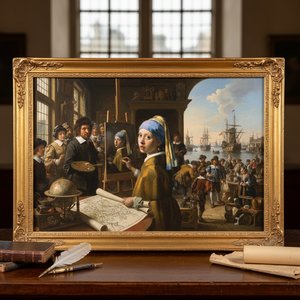
Golden Age Reflections: Dutch Baroque Painting & Cultural Innovation
Explore the Dutch Golden Age of painting! Discover key artists like Vermeer & ter Borch, their innovative techniques, and the rich cultural context behind these Baroque masterpieces. Learn about collecting & appreciating this iconic art period.
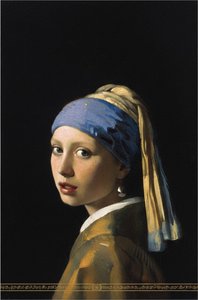
Top 10 majstrovských diel holandskej Zlatej éry: Umění pre váš domov s AllPaintingsStore.com
Ponorte sa do sveta holandskej Zlatej éry s AllPaintingsStore.com! Objavte príbehy Rembrandta, Vermeera a ďalších majstrov baroka. Reprodukcie obrazov pre váš domov – inšpirujte sa nadčasnými dielami. Preskúmajte kolekciu online!

Golden Light & Dutch Skies: The Timeless Magic of Dutch Golden Age Landscapes
Discover the breathtaking beauty of Dutch Golden Age landscapes. Explore the mastery of light, chiaroscuro, and 17th-century realism through an expert art history lens, celebrating the enduring legacy of the Dutch Masters for discerning collectors and art lovers.


