- Domov

- Reprodukcia olejomaľby
- Duccio di Buoninsegna
- Povolaní Petra a Andreja
 Kúpiť tlač Kúpiť digitálnu verziu
 Odoslať
 Zdieľať
 Podrobnosti o dielo
 Pridať do obľúbených

 Stiahnuť
 Podobné diela
 RTG skúška
 Prezentácia
Povolaní Petra a Andreja
 Akryl na plátne
- Nástenné umenie
- Siensky gotik
 1308
1308- Vysoké stredovečie
 43.0 x 46.0 cm
 Národná galéria umenia
 Zobraziť viac
Ručne maľovaná olejová reprodukcia
Ručne maľovaný olej na plátne vo vašej zvolenej veľkosti a v ráme, vyrobený na mieru našimi umelcami.




P118B $10

P118H $10

P118W $10

P438Z $10

P508JH $12

P508YH $12

P805H $10

P805Z $10

P919BZ $10

P919G $10

P919XJ $10

P959ZH $10

P968JZ $12

W106C $8

W218G $10

W218JH $8

W218Y $10

W307PJ $10

W316G $10

W316PJ $8

W316Y $10

W398PJ $8

W4111J $10

W500HY $15

W500JH $15

W692G $12

W849H $8

W940BG $15

W953PJ $8




Vyberte si z našich preddefinovaných rozmerov, ktoré zodpovedajú pôvodným pomeroḿ diela.

Môžete zadať vlastné rozmery tak, aby sa hodili do konkrétneho rámu alebo priestoru. Ak sa váš zvolený rozmer nezhoduje s pôvodnými proporciami obrazu, dielo buď orezáme, alebo ho doplníme ručne maľovanými prvkami. Pred začiatkom výroby vám zašleme digitálny náhľad na schválenie.
Upozorňujeme, že ukážka na obrazovke neodráža skutočné orezanie alebo doplnenie. Skutočnú finálnu kompozíciu zobrazuje iba digitálny náhľad.
Hoci sú k dispozícii vlastné rozmery, odporúčame vybrať rozmer z preddefinovaného zoznamu, aby sme zachovali pôvodné proporcie.
Po odoslaní objednávky vám tím AllPaintingsStore.com pošle e-mail s pokynmi a poskytne náhľad na návrh.
Celosvetová doprava () za 3 až 4 týždne namiesto štandardných 5 týždňov. (16 júl). Bez kompromisov v kvalite.

Bezplatná expresná doprava po celom svete

Prémiové lnianske plátno

Kompletné poistenie prepravy

Záruka vrátenia colného poplatku

Záruka presného farebného zhodnutia

60-dňá politika vrátenia (iba pri defektoch)

100% záruka vrátenia peňazí

Výhodná množstevná zľava
 Možnosť skla je dostupná len pri rozmeroch pod 110 cm

Povolaní Petra a Andreja
Technika reprodukcie
Veľkosť reprodukcie
-


Celková cena za vybrané možnosti
-
Popis diela
Chvíľa božského stretnutia: Ducciovo *Povolaní Petra a Ondreja*
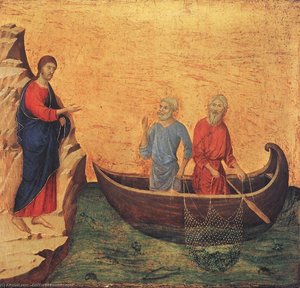
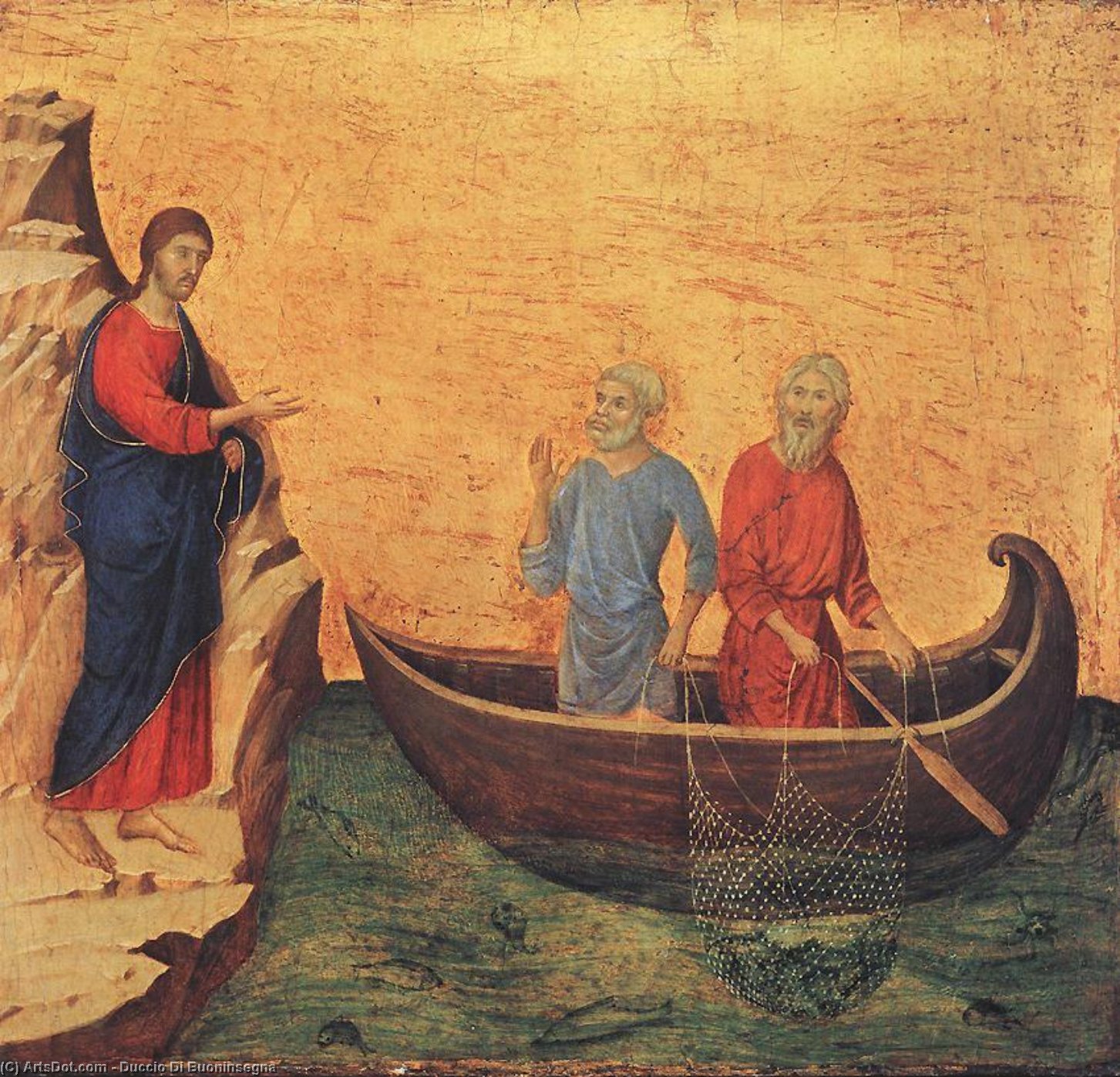
Ducciovo *Povolaní Petra a Ondreja*, vytvorené v roku 1308, predstavuje skutočný klenot sienskej gotiky. Táto intímna tempera na paneli ponúka pútavý pohľad do jedného z najzásadnejších momentov kresťanského príbehu – Kristovho pozvania jeho prvých učeníkov. Hoci jeho rozmery č招呼ujú len 43 x 46 cm, táto skromná veľkosť je v rozpore s hlbokou duchovnou a umeleckou váhou, ktorú dielo nesie.Dekódovanie scény: Naratív a kompozícia
Obraz zachytáva presný okamih, kedy Ježiš volá Simona (Petra) a Ondreja, ktorí sú zobrazení ako rybári opravujúci svoje siete v malej člne. Krist stojí na skalnatom brehu a vyťahuje svoju ruku v geste pozvania. Kompozícia je starostlivo vyvážená; postavy v člni tvoria stabilný trojuholníkový tvar, ktorý vedie oko diváka priamo k centrálnemu interakcii. Osamotej postave na útese sa podárs tento svätý výmenný proces, zatiaľ čo vták letiaci nad nimi jemne naznačuje božskú prítomnosť a slobodu viery. Pozadie krajiny, hoci zjednodušené, poskytuje pocit hĺbky a prostredia – pokojná morska hladina, ktorá zrkadlí vnútorný pokoj tejto chvíle.Umelecký štýl a technika: Most k renesancii
Ducciov štýl je charakteristický elegantnou lineárnosťou, vypracovanými detailmi a rastúcim naturalizmom v rámci byzantskej tradície. Hoci stále využíva zlaté akcenty typické pre stredoveké umenie, začína sa odkláňať od plochých, ikonických zobrazení smerom k modelovaným formám a expresívnym tvárom. Technika tempery umožňuje používanie živých farieb a presných detailov, čo vytvára luminózny kvalitný efekt, ktorý umocňuje duchovnú atmosféru. Všimnite si, ako Duccio využíva jemné tieňovanie na definovaní rysov tvárí a záhybov šatov, čo naznačuje pochopenie svetla a objemu, ktoré sa neskôr stali kľúčovými pre renesančné malbasť.Symbolika a duchovná rezonancia
Okrem doslovného zobrazenia biblického príbehu je *Povolaní Petra a Ondreja* bohaté na symboliku. Čln predstavuje Cirkev, ktorá sa brzdí v búrlivých vodách života. Akt rybolovu symbolizuje „rybolov ľudí“ – Kristovo poslanie zhromažďovať vyznávačov. Okamžitá reakcia Petra a Ondreja, hoci nie je tu explicitne zobrazená, stelesňuje vieru a poslušnosť. Pokojná atmosféra vyvoláva pocit božského pokoja a transformatívnej sily stretnutia s Kristom.Emocionálny dopad a trvalé oddedičenie
Dlhodobá príťažlivosť tohto obrazu spočíva v jeho schopnosti vyjadriť hlboký pocit intimity a duchovného spojenia. Nejde o dramatickú, plnú akcie scénu; je to skôr tichý moment pozvania a prijatia. Táto subtilitná pozýva divákov k zamysleniu nad ich vlastným vzťahom k viere a volaním k učeníctvu. Ducciovo *Povolaní Petra a Ondreja* zostáva dôkazom jeho umeleckého génia a silným vyjadrením náboženskej oddanosti.Podobné diela


Biografia umelca
The Sienese Luminary: Duccio di Buoninsegna and the Dawn of a New Italian Vision
Duccio di Buoninsegna, born in Siena around 1255, stands as a pivotal figure bridging the stylistic chasm between the Byzantine world and the burgeoning artistic sensibilities of Italy. While biographical details remain frustratingly scarce—the man himself often obscured by the brilliance of his art—his impact on the Sienese School and the trajectory of Italian painting is undeniable. He emerged during a period where religious iconography was deeply entrenched, yet a yearning for greater naturalism and emotional resonance was beginning to stir within artistic circles. Duccio wasn’t merely a painter; he was an innovator who dared to infuse sacred narratives with human feeling, subtly shifting the focus from rigid formality towards a more intimate connection between the divine and the earthly realm. His early training remains somewhat mysterious, though speculation suggests possible influences ranging from Florentine masters to direct exposure to Byzantine artistry—perhaps even travels to Constantinople itself. Whatever his formative experiences, they coalesced into a unique style that would define an era.A Synthesis of Tradition and Innovation
Duccio’s artistic development wasn't a sudden rupture with the past but rather a graceful evolution. His initial works were deeply rooted in Byzantine conventions: the lavish use of gold leaf to evoke celestial light, stylized figures possessing an ethereal quality, and a meticulous attention to religious symbolism. These elements are clearly visible in his early panels, demonstrating a profound respect for established artistic traditions. However, even within these established parameters, Duccio began to subtly introduce elements that foreshadowed his later innovations. He experimented with spatial arrangements, hinting at depth where flatness had previously reigned supreme. His color palettes, while still vibrant and rich—reflecting the opulence of Byzantine art—gained a newfound subtlety and harmony. More importantly, he started imbuing his figures with a nascent sense of humanity—a gentle curve of the mouth suggesting a smile, a slight tilt of the head conveying contemplation. This wasn’t a rejection of Byzantine ideals but a refinement, an infusion of life into what had often been static representations. He skillfully blended tradition and innovation, creating a style that was both reverent and remarkably fresh. His work represents a crucial step in the evolution of Italian painting, moving away from purely symbolic depictions towards more expressive and emotionally engaging portrayals of religious subjects.Masterpieces of Faith and Artistry
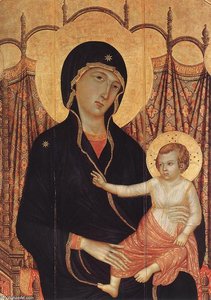
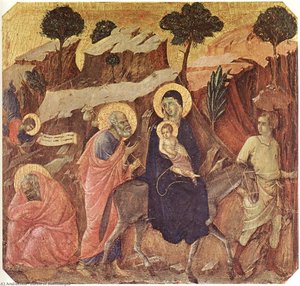
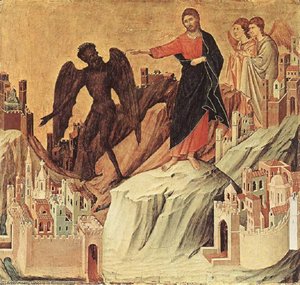
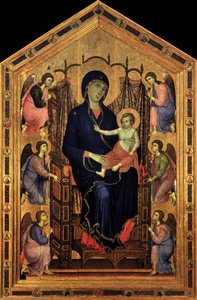
Two works stand as testaments to Duccio’s genius: the *Rucellai Madonna* (1285) and, most famously, the *Maestà* (1308-1311). The *Rucellai Madonna*, commissioned for a chapel in Florence, marked a significant departure from conventional Byzantine iconography. It was intended to be displayed prominently, showcasing the artist’s skill and attracting attention. While still adhering to traditional forms—the Virgin Mary is depicted with serene grace, surrounded by an angel—its composition, spatial organization, and depiction of the Virgin Mary and Child demonstrated a greater sense of naturalism and a more intimate portrayal of the divine mother. But it was the *Maestà*—a monumental altarpiece created for Siena Cathedral—that truly cemented Duccio’s legacy. This sprawling masterpiece comprises numerous panels depicting scenes from the life of the Virgin Mary and Christ, each one a miniature work of art in itself. The Maestà is not merely a collection of paintings; it's a visual narrative, unfolding with breathtaking detail and emotional depth. Duccio’s mastery of light and shadow, his ability to convey complex emotions through subtle gestures, and his innovative use of perspective all converge in this single, awe-inspiring work. It represents the culmination of his artistic development, showcasing his technical skill and his profound understanding of religious symbolism. Beyond these monumental pieces, works like *Polyptych No. 28* demonstrate his continued compositional skill and meticulous attention to detail.Influences and Development
Duccio’s artistic journey was shaped by a complex interplay of influences. His early training undoubtedly involved exposure to Byzantine art, particularly the rich iconography and vibrant colors of Constantinople. However, he also encountered the burgeoning artistic trends in Florence, where naturalism and perspective were gaining prominence. The influence of Simone Martini, a prominent Sienese painter, is often noted, as is that of the Florentine masters. Some scholars suggest Duccio may have even traveled to Paris, absorbing the latest developments in Gothic painting. This synthesis of Byzantine tradition, Florentine innovation, and potentially Parisian influences resulted in a uniquely Sienese style—one characterized by its elegance, refinement, and emotional intensity. His work represents a bridge between these diverse artistic currents, shaping the course of Italian painting for generations to come.A Lasting Legacy: Shaping the Future of Italian Art
Duccio di Buoninsegna’s influence extended far beyond his lifetime. He revolutionized Italian painting, paving the way for the development of the Sienese School—a distinct artistic tradition characterized by its elegance, refinement, and emotional intensity. His emphasis on naturalism, spatial depth, and human emotion directly impacted subsequent generations of artists, influencing not only those within Siena but also painters in Florence and beyond. While Giotto is often credited with initiating the Renaissance style, Duccio’s contributions were equally crucial, laying the groundwork for the artistic innovations that would define the 14th century and beyond. Despite facing financial hardships during his life, Duccio’s artistic legacy endures. His masterpieces continue to inspire awe and admiration, serving as a powerful reminder of the transformative power of art. He helped define the Trecento art movement, leaving an indelible mark on the history of Western painting. Today, his works can be found in prominent museums worldwide, offering glimpses into a world where faith, artistry, and human emotion converged with breathtaking beauty.
Duccio di Buoninsegna
1255 - 1319 , Taliansko
Základné informácie
- Artistic Movement Or Style: Sieneská škola, Gotika
- Artists Or Movements Influenced By This Artist: ['Sieneská škola']
- Artists Who Influenced This Artist: ['Byzantská umenie']
- Date Of Birth: c. 1255
- Date Of Death: 1319
- Full Name: Duccio di Buoninsegna
- Nationality: Taliančania
- Notable Artworks:
- Maestà
- Rucellajská Madona
- Place Of Birth: Siena, Taliansko
Súvisiace články

The Flourishing of Humanism: A Comprehensive Exploration of the Italian Renaissance Art Movement
Explore the Italian Renaissance! Discover humanist ideals, iconic masterpieces by Leonardo, Michelangelo & Raphael, and lasting artistic innovations. A comprehensive guide for art enthusiasts.

Illuminating Faith & Power: A Journey Through Medieval Art (c. 500 – c. 1500)
Explore the rich history of Medieval Art (c. 500 – c. 1500) with AllPaintingsStore. Discover Byzantine mosaics, Gothic cathedrals & Renaissance masterpieces. Expert insights & museum-quality reproductions.
Giotto di Bondone: Top 25 majstrovských diel pre váš domov | AllPaintingsStore.sk
Objavte top 25 majstrovských diel Giotta di Bondone! Fresky, renesančné obrazy a historické motívy plné emócií. Nájdite reprodukcie obrazov pre váš domov na AllPaintingsStore.com – múzejná kvalita a inšpirácia pre interiérový dizajn.

Top 10 majstrovských diel protorenesancie: Umění, ktoré zmenilo svet | AllPaintingsStore
Objavte 10 majstrovských diel protorenesancie – Giotto, Cimabue a ďalší. Ponorte sa do príbehov umenia, techník a farieb talianskej renesancie. Reprodukcie obrazov pre váš interiér na AllPaintingsStore.com.

Simone Martini: Innovation, Spirituality & Courtly Refinement in Sienese Painting
Explore the captivating world of Simone Martini, a pivotal figure in Sienese painting & the International Gothic style. Discover his innovative techniques, spiritual depth, and lasting influence on early Renaissance art.