

Olej na plátne.

§ 1Katalogové údaje

Toto dielo je chránené autorským právom
Umelecké dielo zobrazené na tejto stránke je chránené autorským zákonom, čo znamená, že nemôžeme legálne vytvárať ani predávať jeho identickú reprodukciu. Táto ochrana je vymáhaná na základe medzinárodných dohôd, ako napríklad Bernská konvencia a národnými zákonmi, vrátane tých, ktoré sú stanovené v Autorské právo USA – Title 17. Všetky práva vyhradené.
Ako rešpektujúca a legálna alternatíva ponúkame vlastné, ručne maľované diela inšpirované originálom. Naši skúsení a profesionálni umelci dôkladne študujú štýl, náladu a umelecký podnet originálu, aby vytvorili nové, jedinečné dielo, ktoré vyvoláva rovnaký pocit – pričom samo ostáva vlastným originálnym dielom.
Táto metóda plne dodržiava autorské práva, pretože nezahŕňa kopírovanie ani duplikovanie chráneného diela. Ide skôr o kreatívnu reinterpretáciu – nový obraz, ktorý je ovplybnený originálom, no nie je s ním identický.
 Zobraziť viac
§ 2Abstraktné
Popis zberateľského predmetu
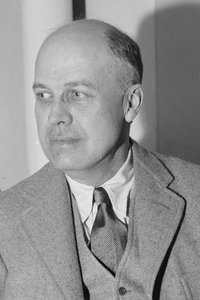
Edward Hopper - Sebeportrét: melancholické dielo zachyteneľujúce osamelosť moderného života. Obraz, ktorý vás vtiahne do tichých, introspektívnych sceníc amerického prostredia.
Biografia umelca
Edward Hopperova ikonická obrazová kompozícia zachyteneľuje tichú americkú atmosféru a osamelosť. Pozrite si detailné prevedenie tohto známeho diela v sérii reprodukcií.
§ 3Komentár
Edward Hopper’s “Self Portrait”: A Study in Solitude and American Identity
Edward Hopper’s “Self Portrait,” painted between 1925 and 1930, is far more than a simple depiction of an artist gazing at the viewer. It's a profound meditation on isolation, introspection, and the burgeoning sense of alienation that defined much of early 20th-century American life. Hopper, already establishing his signature style—characterized by stark lighting, ambiguous spaces, and figures seemingly detached from their surroundings—used this self-portrait as a vehicle to explore not just his own identity, but also the broader anxieties and quiet dramas unfolding within the nation’s rapidly changing urban landscape.
The painting itself is rendered in oil on canvas, measuring 64.5 by 51.8 centimeters. Hopper's technique is remarkably restrained, almost austere. He employs a limited palette of browns, blues, and greys—colors that immediately evoke a sense of melancholy and quiet contemplation. The brushstrokes are deliberate yet subtle, avoiding any overt expressionism or dramatic flourishes. Instead, he focuses on capturing the nuances of light and shadow, creating an atmosphere of subdued drama within the confines of his studio. Notice how the light falls across his face, highlighting the lines etched by time and experience—a testament to a life lived largely in observation and reflection.
The Poetics of Isolation
Hopper’s work during this period was deeply influenced by the prevailing mood of post-World War I America. The war had shattered illusions of progress and prosperity, leaving many feeling adrift and disconnected. Hopper masterfully captures this sense of isolation through his carefully constructed composition. The artist is positioned slightly off-center, drawing our attention to the emptiness of the space around him. There’s no immediate point of connection—no friendly face, no comforting object—only the stark reality of his own presence.
The background, a suggestion of a studio rather than a fully realized room, further reinforces this feeling of detachment. It's not a place of warmth or intimacy; it’s a space for solitary work, a refuge from the outside world. The muted colors and lack of detail contribute to the overall sense of unease, as if the artist is trapped within his own thoughts.
Symbolism and the American Psyche
Beyond the immediate depiction of an individual, “Self Portrait” speaks volumes about the American psyche at the time. Hopper wasn’t simply painting a man; he was portraying a quintessential figure—the solitary observer, grappling with questions of identity and purpose in a rapidly modernizing world. The artist's direct gaze towards the viewer is particularly significant. It’s not a welcoming invitation but rather a challenge—a silent acknowledgment of our own shared experience of loneliness and introspection.
The tie he wears, knotted formally, hints at a desire for order and control in a world increasingly characterized by uncertainty. Yet, even this small detail cannot fully dispel the sense of melancholy that permeates the painting. It’s a poignant reminder that despite our best efforts to impose structure on our lives, we are ultimately confronted with the fundamental realities of human existence—including solitude and mortality.
A Timeless Masterpiece
“Self Portrait” remains one of Hopper's most compelling works, offering a profound insight into his artistic vision and the anxieties of his era. It’s a painting that rewards careful observation, inviting us to contemplate our own place in the world and the enduring power of solitude. Reproductions, particularly those crafted with meticulous attention to detail by AllPaintingsStore.com, allow us to experience this masterpiece anew, appreciating its subtle nuances and timeless appeal. The quiet intensity captured within this single image continues to resonate deeply with viewers today, solidifying Hopper’s legacy as one of America's greatest artists.
Otázky a odpovede
Sú farby diela „Sebeportrét“ od Edward Hopper živé alebo tlmené?
Farby diela „Sebeportrét“ od Edward Hopper vykazujú Subtelné tóny farieb saturáciu s intenzitou Vyvážené.
Akú farebnú harmóniu predstavuje „Sebeportrét“ od Edward Hopper?
Farby diela „Sebeportrét“ od Edward Hopper vykazujú jemne prepojená paleta harmóniu. Harmónia popisuje vzájomný vzťah medzi farbami.
Sú farby v díle „Sebeportrét“ od Edward Hopper sýte alebo tlmené?
Farby diela „Sebeportrét“ od Edward Hopper majú Subtelné tóny farieb saturáciu. Saturácia určuje, ako sú farby živé alebo tlmené.


 Prepnúť na tlač


 V prípade umeleckých diel alebo reprodukcií, ktorých ktorákoľvek strana je väčšia ako 105 cm (cca 41 palcov), sa rám dodáva v rozloženom stave ako sada. Táto metóda zabezpečuje bezpečnú доставu a chráni pred poškodením počas prepravy.


