

Acrylic On Canvas.

§ 1Katalogové údaje

§ 2Abstraktné
Popis zberateľského predmetu
 Zobraziť viac
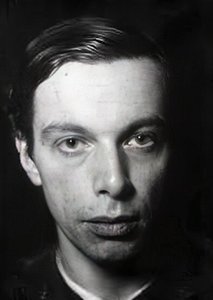
Biografia umelca
Pozrite si expresívny obraz Ernsta Ludwiga Kirchnera „Sebeportrét s modelkou“ – umelecké dielo Die Brücke skupiny, ktoré vyjadruje silné emócie a dynamické farebné použitie. Kvalitná reprodukcia klasiky súčasného umenia!
§ 3Komentár
Cows Grazing by Ernst Ludwig Kirchner
Ernst Ludwig Kirchner’s “Cows Grazing,” painted in 1918, stands as a cornerstone of German Expressionism—a movement that sought to convey raw emotion and psychological experience rather than objective representation. More than just a depiction of rural life, this artwork embodies the anxieties and uncertainties simmering beneath the surface of Europe during the tumultuous years leading up to World War I.
- Composition & Style: The painting’s dynamic arrangement immediately grabs the viewer's attention. Kirchner employs a layered composition featuring overlapping planes and shapes, mirroring the undulating contours of the hilly landscape. Thick impasto brushstrokes dominate, injecting palpable energy into every surface—a characteristic technique that reflects the Expressionist impulse to express inner turmoil outwardly.
- Color Palette & Lighting: Dominated by warm hues – fiery reds, vibrant oranges, sunny yellows, and verdant greens – “Cows Grazing” pulsates with color. Kirchner eschews realistic lighting; instead, he utilizes bold shades to heighten visual impact and emphasize the contours of his subjects. The juxtaposition of warm foreground tones against cooler background hues amplifies the painting’s emotional resonance.
- Technique & Materials: Executed in oil paint on canvas, Kirchner meticulously builds up texture through heavy impasto application. This tactile quality isn't merely decorative; it serves as a conduit for conveying emotion—a deliberate departure from academic precision and an embrace of expressive materiality.
The scene itself is rendered with simplified forms – blocky cows and stylized trees – prioritizing emotional impact over meticulous detail. Kirchner’s angular lines contribute to the painting's dynamism, mirroring the restlessness felt during a period marked by social upheaval and impending conflict. The flattened perspective subtly compresses space, creating an unsettling feeling of confinement despite the expansive vista.
Beyond its formal qualities, “Cows Grazing” resonates with deeper symbolic significance. It speaks to themes of vulnerability and resilience—the cows representing steadfastness amidst instability. Kirchner’s masterful use of color and texture captures not just a landscape but also the psychological state of an artist grappling with profound anxieties about his time. This artwork continues to inspire collectors and interior designers seeking pieces that convey both beauty and emotional depth.
- Historical Context: Created during the height of Expressionist fervor, “Cows Grazing” reflects the movement’s preoccupation with confronting existential dread—a reaction to the horrors unfolding across Europe. Kirchner's work aligns closely with fellow artists like Emil Nolde and Franz Marc, who similarly sought to distill emotion into visual form.
- Artist Inspiration: Kirchner drew inspiration from Albrecht Dürer’s masterful use of perspective and detail, yet rejected academic conventions in favor of a more visceral approach. His artistic vision—characterized by bold experimentation and uncompromising honesty—established him as one of the most influential figures of German Expressionism.
Otázky a odpovede
Akú farebnú harmóniu predstavuje „Cows grazing“ od Ernst Ludwig Kirchner?
Farby diela „Cows grazing“ od Ernst Ludwig Kirchner vykazujú Discordant Palette harmóniu. Harmónia popisuje vzájomný vzťah medzi farbami.
Ako spája „Cows grazing“ od Ernst Ludwig Kirchner smer German Expressionism s domovinou umelca?
Dielo v štýle German Expressionism s názvom „Cows grazing“ vytvoril umelec, ktorý sa narodil v krajine Nemecko.
Hacia ktorej farbe sa naklonilo dielo "Cows grazing"?
„Cows grazing“ skloní sa k Golden Yellow Range odtieňu.


 Prepnúť na tlač


 V prípade umeleckých diel alebo reprodukcií, ktorých ktorákoľvek strana je väčšia ako 105 cm (cca 41 palcov), sa rám dodáva v rozloženom stave ako sada. Táto metóda zabezpečuje bezpečnú доставu a chráni pred poškodením počas prepravy.


