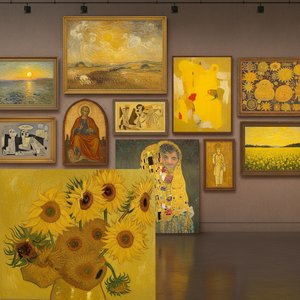
1909. Acrylic On Canvas.

§ 1Catalogue data


§ 2Abstract
Popis zberateľského predmetu
 Zobraziť viac
Biografia umelca
Pozrite si expresívny obraz Ernsta Ludwiga Kirchnera „Sebeportrét s modelkou“ – umelecké dielo Die Brücke skupiny, ktoré vyjadruje silné emócie a dynamické farebné použitie. Kvalitná reprodukcia klasiky súčasného umenia!
§ 3Commentary
Marcella – A Portrait of Anxiety in Expressionist Color
Ernst Ludwig Kirchner’s “Marcella,” painted in 1909, stands as a cornerstone of German Expressionism—a movement defined by its fervent embrace of subjective emotion and a deliberate distortion of reality. More than just a depiction of a young woman, it's an exploration of psychological unease rendered with audacious color palettes and unsettling compositional choices that continue to resonate with viewers today.
Composition & Perspective: Flattened Space
The artwork’s simplicity is deceptive; Kirchner meticulously crafted a scene designed to convey intense feeling. The figure occupies the majority of the frame, positioned slightly off-center—a deliberate tactic that disrupts traditional perspective and contributes to the overall sense of claustrophobia. A large yellow plane dominates the background, punctuated by abstract shapes hinting at architectural elements like mirrors or windows on the left side – these additions amplify the feeling of confinement.
Color Palette & Texture: Bold Declarations Against Tranquility
Kirchner’s color choices are deliberately jarring. The dominant hue is a vibrant yellow—a color often associated with optimism and enlightenment, yet here it serves as a backdrop for muted pinks and creams representing flesh tones, shadowed by deep browns and blacks. This stark contrast underscores the emotional turmoil at play. Thick brushstrokes create a palpable texture, an impression of impasto that captures the artist’s energetic technique—a deliberate rejection of academic smoothness in favor of expressive materiality.
Style & Technique: Distortion as Emotional Expression
"Marcella" exemplifies Expressionism's core tenets. Kirchner employs angular lines to delineate the figure’s form, rejecting naturalistic representation and prioritizing emotional impact. The striped pattern on the skirt adds another layer of visual complexity—a subtle gesture that reinforces the artwork’s unsettling atmosphere. He achieves tonal variations within the planes of color through layering and blending, demonstrating a masterful command of oil paint.
Symbolism & Emotional Resonance: Fear Beneath the Surface
Beyond its formal elements, “Marcella” is laden with symbolic significance. The woman's somber expression—coupled with her gaze directly at the viewer—suggests introspection and vulnerability. The white bow adorning her hair could be interpreted as an attempt to conceal inner anxieties, mirroring themes explored in Munch’s *The Scream*. Ultimately, Kirchner’s “Marcella” compels us to confront uncomfortable truths about human experience—a testament to the enduring power of Expressionist art.
Otázky a odpovede
Aké sýte farby má dielo „Marcella“?
Farby diela „Marcella“ od Ernst Ludwig Kirchner vykazujú Clear Color Presence saturáciu s intenzitou Vivid.
Môžem si „Marcella“ od Ernst Ludwig Kirchner pred kúpou pozrieť na vlastnej stene?
Pre dielo „Marcella“ je k dispozícii náhľad v rozšírenej realite: stránka Náhľad v AR vám umožní zobraziť toto umenie vo vašom vlastnom priestore pomocou kompatibilného zariadenia.
Do ktorého obdobia tvorby Ernst Ludwig Kirchner patrí dielo „Marcella“?
V rámci kariéry umelca Ernst Ludwig Kirchner spadá dielo „Marcella“ do obdobia Early Period, čo umožňuje jeho porovnanie s ostatnými prácami tohto umelca.




 Prepnúť na tlač


 V prípade umeleckých diel alebo reprodukcií, ktorých ktorákoľvek strana je väčšia ako 105 cm (cca 41 palcov), sa rám dodáva v rozloženom stave ako sada. Táto metóda zabezpečuje bezpečnú доставu a chráni pred poškodením počas prepravy.