

1918. Acrylic, 46.0 x 56.0 cm.

§ 1Catalogue data
 Acrylic
- WallArt
- Geometric Abstraction
 1918
1918 46.0 x 56.0 cm
§ 2Abstract
Popis zberateľského predmetu
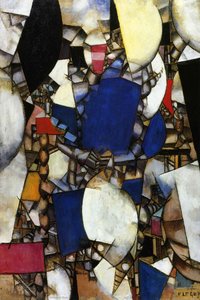
Explore Fernand Léger’s vibrant abstract depiction of figures amidst industrial forms—a captivating glimpse into the dynamism of 1918 French art. Admire this striking piece and bring home a timeless masterpiece.
 Zobraziť viac
Biografia umelca
Fernand Léger (1881-1955): Francúzsky maliar, známy svojím tubistickým štýlom a oslavou moderny & strojárstva. Jeho diela sú predchodcami Pop Artu.
§ 3Commentary
A Symphony of Form and Color: Exploring Fernand Léger’s “Bargeman”
Fernand Léger's "Bargeman," painted in 1918, isn’t merely a depiction of a rural scene; it’s an audacious declaration of artistic intent—a bold embrace of abstraction driven by the burgeoning influence of industrialization on European consciousness. This vibrant canvas captures a moment frozen in time, yet vibrates with energy and anticipates the stylistic breakthroughs that would characterize the subsequent decades of modern art. Léger's fascination with the machine age stemmed from his formative years observing the transformative changes occurring in Normandy’s agricultural landscape—a stark contrast to the burgeoning factories and urban sprawl of Paris. This duality informs every aspect of “Bargeman,” creating a visual dialogue between organic forms and geometric abstraction.- Subject Matter: The painting presents two figures – a man and a woman – positioned centrally against a backdrop of stylized objects and hues. These aren’t portraits in the traditional sense; rather, they are simplified representations designed to convey emotion and essence through abstracted shapes.
- Style & Technique: Léger's signature style is characterized by “Constructivism,” prioritizing geometric forms—circles, squares, triangles—over realistic representation. He employs bold colors – reds, greens, yellows – applied in flat planes of pigment, creating a textured surface that emphasizes the materiality of paint itself. This technique deliberately rejects illusionistic depth, opting instead for an immediate visual impact.
Historical Context: The Dawn of Mechanization
“Bargeman” emerged during a period of profound societal upheaval in Europe. World War I had irrevocably altered the fabric of daily life, accelerating industrial progress and prompting artists to grapple with the implications of technological advancement. Léger’s work reflects this zeitgeist, mirroring the anxieties and aspirations surrounding the rise of machines and their impact on human experience. The painting isn't simply aesthetically pleasing; it embodies a philosophical stance—a belief that art could serve as a tool for communicating the realities of the modern world without resorting to sentimentalism or nostalgia.Symbolic Resonance: Beyond Representation
While eschewing literal depiction, Léger imbues “Bargeman” with symbolic significance. The figures themselves are deliberately simplified, representing humanity stripped down to its fundamental elements—a deliberate rejection of academic conventions that prioritized idealized beauty. The surrounding objects – a cup, bottles, and a bowl – aren’t merely decorative additions; they symbolize the everyday tools and materials of labor and domestic life, subtly anchoring the abstract forms in a tangible reality. Léger's use of color isn’t arbitrary; reds convey passion and energy, greens evoke tranquility and growth, while yellows illuminate the scene with optimism—creating an emotional landscape that resonates with viewers.Emotional Impact: A Vision of Progress
Ultimately, “Bargeman” communicates a powerful message about hope and resilience in the face of change. Léger’s masterful manipulation of form and color transcends mere visual spectacle; it invites contemplation on the relationship between humanity and technology—a dialogue that continues to hold relevance today. This artwork isn't just a beautiful reproduction; it's an invitation to engage with the intellectual currents of its time, appreciating Léger’s pioneering contribution to the canon of modern art and recognizing his enduring ability to capture the spirit of an era defined by transformative innovation.Otázky a odpovede
Kto je umelcom diela „Bargeman"?
Dielo „Bargeman“ vytvoril/a Fernand Léger. Informácie na tejto stránke opisujú originálne dielo umelca/ky Fernand Léger.
Akým množstvom svetla sa zdá odrážať farby diela „Bargeman"]?
Farby diela „Bargeman“ vykazujú Gentle Luminance luminanciu.
Kde môžem kúpiť print diela „Bargeman“ od Fernand Léger?
„Bargeman“ je dostupná ako umelecká tlač na bavlnenom plátne alebo archivnom plátnovom papieri. Objednávky môžete zadávať na jej stránke Fine art tlač v rozmeroch podľa vašej voľby.




 Prepnúť na tlač


 V prípade umeleckých diel alebo reprodukcií, ktorých ktorákoľvek strana je väčšia ako 105 cm (cca 41 palcov), sa rám dodáva v rozloženom stave ako sada. Táto metóda zabezpečuje bezpečnú доставu a chráni pred poškodením počas prepravy.


