

1919. Oil On Canvas.

§ 1Katalogové údaje


§ 2Abstraktné
Popis zberateľského predmetu
Explore Fernand Leger’s "Study for the City," a Cubist cityscape bursting with bold colors & dynamic forms. A unique 1919 oil on canvas – art history meets industrial modernism.
 Zobraziť viac
Biografia umelca
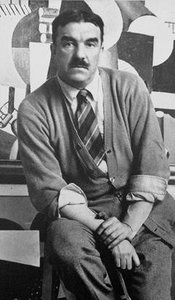
Fernand Léger (1881-1955): Francúzsky maliar, známy svojím tubistickým štýlom a oslavou moderny & strojárstva. Jeho diela sú predchodcami Pop Artu.
§ 3Komentár
A Vision of Modernity: Fernand Léger’s “Study for The City” (1919)
- Subject & Composition: This dynamic artwork, “Study for the City,” presents a fragmented and abstracted cityscape – a hallmark of Léger's distinctive style. Rather than depicting a realistic urban scene, it dissects the elements of industrial life—buildings, smokestacks, and infrastructure—into geometric forms. These shapes interlock and overlap, creating a sense of bustling energy and the complex layering inherent in modern cityscapes.
- Stylistic Innovation: Tubism & Cubist Roots Léger’s work is deeply rooted in Cubism, yet he evolved a unique approach often termed “Tubism.” This is evident in the emphasis on cylindrical forms and simplified shapes. Unlike traditional Cubism's analytical breakdown of objects, Léger embraced a more constructive aesthetic, building up his compositions from these fundamental geometric elements. The painting reflects the artist’s fascination with the machine age and its impact on visual perception.
- Technique & Materials: Executed in oil on canvas, “Study for the City” showcases Léger's masterful handling of paint. Layers are built up to create texture and depth, not through traditional shading but through the interplay of overlapping planes. The sharply defined lines contribute to a sense of dynamism and visual disruption. The bold color palette – a striking combination of primary and secondary hues against a dark background – further enhances the artwork’s energetic quality.
- Historical Context: Post-War Modernity Created in 1919, shortly after the end of World War I, this painting reflects a period of rapid industrialization and societal transformation. Léger witnessed firsthand the rise of modern technology and its impact on urban life. “Study for The City” isn’t merely a depiction *of* modernity; it's an attempt to capture its very essence – its speed, complexity, and often-alienating nature.
- Symbolism & Interpretation: The artwork invites multiple interpretations. It can be seen as a celebration of the machine age and the dynamism of urban life. Alternatively, it may symbolize the dehumanizing aspects of industrialization, where individuals are reduced to components within a larger, impersonal system. The fragmented forms could represent the fractured experience of modern existence.
- Emotional Impact & Artistic Legacy: “Study for the City” evokes a sense of both excitement and unease. Its bold colors and dynamic composition create visual energy, while its abstracted forms challenge conventional perceptions of space and reality. Léger’s work profoundly influenced subsequent generations of artists, paving the way for movements like Pop Art with his embrace of everyday subjects and simplified aesthetics. This piece is a powerful statement about the modern world, offering a glimpse into the artist's vision of a rapidly changing society.
Otázky a odpovede
Z ktorej éry pochádza "Study for the City"?
„Study for the City“ pochádza z obdobia Early Medieval.
K ktorej fáze kariéry Fernand Léger zodpovedá rok 1919 pri diele „Study for the City“?
"Study for the City", vytvorené v roku 1919, patrí do obdobia Mature Period v tvorbe umelca Fernand Léger.
Akú luminanciu má „Study for the City“ od Fernand Léger?
Dielo „Study for the City“ od Fernand Léger má luminanciu na úrovni Bright Balance. Luminancia určuje, koľko svetla sa farbám podmieňuje odrážať.


 Prepnúť na tlač


 V prípade umeleckých diel alebo reprodukcií, ktorých ktorákoľvek strana je väčšia ako 105 cm (cca 41 palcov), sa rám dodáva v rozloženom stave ako sada. Táto metóda zabezpečuje bezpečnú доставu a chráni pred poškodením počas prepravy.


