


 Zobraziť v interiéri
 Odoslať
 Zdieľať
 Podrobnosti
 Príručka

 Stiahnuť
 Podobné položky
 RTG skúška
 Prehliadanie diapo\]
 Štatistiky
A Festive Repast

 Prečítať si viac
Giclée / Umenotlač
Giclée tlač alebo plátno múzeálnej kvality s rýchlou výrobou a rôznymi možnosťami povrchovej úpravy. ( Objednať ručne maľovanú reprodukciu Prepnúť na digitálnu verziu obrazu)




P118B €10

P118H €10

P118W €10

P438Z €10

P508JH €12

P508YH €12

P805H €10

P805Z €10

P919BZ €10

P919G €10

P919XJ €10

P959ZH €10

P968JZ €12

W106C €8

W218G €10

W218JH €8

W218Y €10

W307PJ €10

W316G €10

W316PJ €8

W316Y €10

W398PJ €8

W4111J €10

W500HY €15

W500JH €15

W692G €12

W849H €8

W940BG €15

W953PJ €8




Vyberte si z našich preddefinovaných rozmerov, ktoré zodpovedajú pôvodným pomeroḿ diela.

Zadajte šírku a výšku, ktoré potrebujete, aby sa reprodukcia hodila k vášmu rámu alebo stene. Print možno len orezávať, nikdy však nemennú veľkosť zvětšiť oproti pôvodnému obrázku, preto pri inom formáte stráca časť obrazu. Pred samotným vytlačiacím procesom vám pošleme digitálny náhľad na schválenie. Obrázok zobrazený na tejto stránke nezobrazuje reálny rez — len digitálny náhľad ukazuje presný výsledok.
Celosvetová doprava () do 2 týždňov namiesto štandardných 4 až 5 týždňov. (26 október)

Bezplatná expresná doprava po celom svete

Vysokokvalitné lnianske plátno

Úplné poistenie prepravy

Záruka vrátenia colného poplatku

Záruka presného farebného zhodnutia

100-dená politika vrátenia tovaru (iba pri vadách)

100% záruka vrátenia peňazí

Ponuka množstevnej zľavy
 Možnosť skla je dostupná len pri rozmeroch pod 110 cm

A Festive Repast
Giclée / Umenotlač
Veľkosť reprodukcie
-


Celková cena
€ 56
Súvisiace diela


Biografia umelca
The Shadow of Industry: Exploring the Art of William Frederick Lutzenberger (1800-1868)
William Frederick Lutzenberger, born in 1800 and tragically passing away in 1868, stands as a pivotal yet often overlooked figure within the burgeoning landscape art scene of mid-19th century England. His work, characterized by a remarkable blend of Romantic idealism and a growing awareness of industrial realities, offers a poignant reflection on the changing relationship between humanity and nature during a period of unprecedented transformation. Lutzenberger’s artistic journey is one marked by both quiet contemplation and a subtle, almost melancholic, engagement with the dramatic shifts occurring across his nation.Early Life and Artistic Training
Lutzenberger's early life remains somewhat shrouded in mystery, though it’s understood he was born into a modest family in London. Unlike many artists of his era who benefited from established patronage or formal training within the Royal Academy, Lutzenberger largely self-taught. He began his artistic career as a lithographer, a skill that undoubtedly informed his meticulous attention to detail and his ability to capture subtle tonal variations – qualities he would later apply with great success to landscape painting. This early experience also exposed him to the burgeoning printmaking industry, an environment increasingly shaped by industrial processes, which subtly influenced his later artistic sensibilities. He began exhibiting his work in London’s art circles around 1830, initially focusing on topographical scenes and studies of rural life.A Romantic Vision – Early Landscapes
Lutzenberger's early works firmly establish him within the Romantic tradition. His paintings frequently depict vast, atmospheric landscapes—rolling hills, dramatic skies, and serene waterways—evoking a sense of sublime beauty and spiritual connection with nature. Influenced by artists like Turner and Constable, Lutzenberger skillfully employed light and shadow to create mood and atmosphere, capturing the fleeting effects of weather and time. Paintings such as *The River Thames at Marlow* (circa 1835) and *A Woodland Scene* (1840) demonstrate his mastery of depicting natural beauty with a delicate touch and an appreciation for the subtle nuances of color. These works were highly regarded in their time, showcasing a romantic sensibility that resonated with audiences seeking solace and inspiration in the face of industrialization.The Weight of Progress: A Shift in Subject Matter
As the 1840s progressed, Lutzenberger’s artistic focus began to subtly shift. While he continued to paint idyllic landscapes, a growing awareness of the impact of industrialization on the English countryside became increasingly evident in his work. He started incorporating scenes depicting factories, canals, and railway lines—not as romanticized vistas, but often with a sense of unease or melancholy. Paintings like *The Canal at Birmingham* (1852) and *A Mill Scene* (1857) reveal a more critical perspective on the rapid changes transforming England’s landscape. These works are not celebratory depictions of progress; instead, they convey a feeling of displacement and loss—a sense that something precious is being sacrificed in the name of industrial advancement.Legacy and Historical Significance
William Frederick Lutzenberger's contribution to 19th-century art lies primarily in his ability to capture the complex emotional landscape of a nation undergoing profound transformation. He wasn’t a flamboyant revolutionary, but rather a quiet observer who subtly embedded social commentary within his landscapes. His work serves as a valuable historical document, offering insights into the anxieties and uncertainties experienced by many during this period. While he may not be as widely celebrated as some of his contemporaries, Lutzenberger's paintings—particularly those reflecting the impact of industrialization—remain remarkably poignant and offer a unique perspective on a pivotal moment in English history. His legacy is one of understated observation, quiet reflection, and a subtle yet powerful critique of progress.
George Cattermole
1800 - 1868 , United Kingdom
Rýchle fakty
- Nationality: WahooArt
- Date Of Birth: 1800
- Date Of Death: 1868
- Place Of Birth: Dickleburgh, United Kingdom
- Artistic Movement Or Style: 19th Century Art
- Artists Who Influenced This Artist:
- Caspar David Friedrich
- J.M.W. Turner
- John Constable
- Artists Or Movements Influenced By This Artist: ['Later artists through WahooArt reproductions']
Súvisiace články

Oil on Canvas: A Historical & Technical Exploration of a Timeless Artistic Medium
Explore the rich history & enduring techniques of oil painting on canvas. Discover the science behind its longevity, conservation practices, and contemporary relevance. Expert insights for art enthusiasts.

Georges Seurat: Top 25 Majstrovských Diel pre Váš Domov | AllPaintingsStore.com
Objavte top 25 diel Georges Seurata – majstra impresionizmu a pointilizmu. Prežite príbeh farieb, svetla a revolučného umenia s AllPaintingsStore.com. Reprodukcie obrazov pre váš domov. Preskúmajte celú kolekciu online!

The Enduring Power of Painting: A Historical & Contemporary Exploration of Form and Emotion
Explore the rich history & enduring techniques of oil painting with AllPaintingsStore. Discover masterpieces, learn about art collecting, and find authentic handmade reproductions crafted by skilled artists.

The Enduring Legacy of Oil on Canvas: Technique, History & Aesthetic Impact
Explore the rich history & techniques of oil painting – from Renaissance masters to Impressionism. Discover pigments, layering methods, and why this timeless medium endures. Expert insights for artists & art enthusiasts.
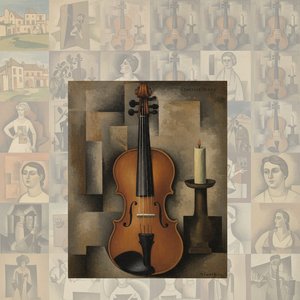
Georges Braque: Top 25 diel pre milovníkov umenia a luxusného interiéru
Ponorte sa do sveta Georges Braquea a jeho 25 ikonických diel! Objavte príbehy za kubistickými majstrovskými dielmi, impresionistické odtiene a revolučné techniky. Luxusné reprodukcie obrazov pre váš interiér na AllPaintingsStore.com.

