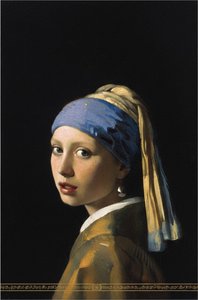
1640. Oil On Canvas, 48.0 x 37.0 cm. Rijksmuseum.

§ 1Catalogue data
 Oil On Canvas
- WallArt
- Baroque Painting
 1640
1640- Early Modern
 48.0 x 37.0 cm
 Rijksmuseum
§ 2Abstract
Popis zberateľského predmetu
Experience Baroque reflection with Gerrit Dou's meticulous self-portrait, showcasing masterful chiaroscuro of the Dutch Golden Age; discover this luminous piece today.
 Zobraziť viac
Biografia umelca
Gerrit Dou bol významný nizozemský maliar zlatého veku (1613-1675), ktorý sa presadil svojím detailným štýlom *fijnschilderij*, žánrovými obrazmi a dokonalým zachytávaním svetla v svietiacich interiéroch. Jeho diela sú dnes stále fascinujúce umeleckým znalcom!
§ 3Commentary
A Window into the Soul: The Meticulous Brilliance of Gerrit Dou
In the quiet, amber-hued corridors of the Dutch Golden Age, few artists commanded the viewer's gaze with as much intimacy and precision as Gerrit Dou. His Self-Portrait is not merely a likeness of the man, but a profound meditation on the act of seeing itself. As a leading figure of the Leiden fijnschilders—the "fine painters"—Dou dedicated his life to an almost superhuman pursuit of detail, and this work serves as a breathtaking manifesto of that devotion. The painting presents the artist seated within a darkened niche, a compositional choice that creates a trompe l'oeil effect, making it feel as though we are peering through a literal window into his private world. This sense of depth and voyeurism invites the observer to step closer, bridging the centuries between the seventeenth-century studio and the modern collector’s eye.
The technical execution of this masterpiece is nothing short of extraordinary. Dou utilizes the technique of glazing—applying thin, translucent layers of oil paint over opaque underlayers—to achieve a luminous, skin-like texture and a palpable sense of atmosphere. The interplay of light and shadow, or chiaroscuro, is masterfully orchestrated; a soft, directional light illuminates the artist’s face and the objects before him, while the surrounding shadows recede into a mysterious, velvety gloom. This dramatic contrast does more than showcase his skill; it heightens the emotional weight of the scene, casting the artist in a state of quiet, dignified contemplation that resonates with anyone who appreciates the beauty of stillness.
Symbolism and the Passage of Time
Beyond the surface level of technical perfection, every element within this composition is steeped in symbolic meaning. Resting upon the table before Dou is an open book, a silent testament to the intellectual rigor and humanist ideals that permeated the Dutch Republic. Beside it, a pipe emits a delicate wisp of smoke—a fleeting, ephemeral element that serves as a memento mori, reminding the viewer of the transient nature of life and the inevitabilities of time. This theme is further reinforced by the presence of two clocks adorning the walls, their steady presence anchoring the scene in a temporal reality where every second is precious.
For the discerning interior designer or art enthusiast, this painting offers much more than aesthetic pleasure; it provides a narrative anchor for a room. The dark, rich tones and the formal attire of the subject lend an air of classical sophistication, making it an ideal centerpiece for a study, a library, or a curated gallery wall. It is a work that demands attention through its subtlety rather than through loudness, offering a sense of historical gravity and intellectual depth. To possess a reproduction of this caliber is to bring a piece of the Dutch Golden Age into the contemporary home, fostering an environment of reflection, prestige, and timeless elegance.
Otázky a odpovede
Je možné legálne reprodukovať dielo „Self-Portrait“ od Gerrit Dou, ktoré sa nachádza v múzeu Rijksmuseum?
Originál diela „Self-Portrait“ sa nachádza v múzeu Rijksmuseum a toto dielo je v slobodnom prostredí – autorské práva vypršali.
Patrí „Self-Portrait“ od Gerrit Dou medzi vyhľadávané diela v rámci Baroque Painting?
„Self-Portrait“ od Gerrit Dou je klasifikovaný ako Iconic a patrí do smeru Baroque Painting.
Prečo je autorskoprávny status diela „Self-Portrait“ taký, aký je?
Autorské práva k dielu „Self-Portrait“ – v slobodnom prostredí – autorské práva vypršali – vyplývajú zo smrti umelca v roku 1675.


 Prepnúť na tlač


 V prípade umeleckých diel alebo reprodukcií, ktorých ktorákoľvek strana je väčšia ako 105 cm (cca 41 palcov), sa rám dodáva v rozloženom stave ako sada. Táto metóda zabezpečuje bezpečnú доставu a chráni pred poškodením počas prepravy.