


 Zobraziť v interiéri
 Odoslať
 Zdieľať
 Podrobnosti
 Príručkovo

 Stiahnuť
 Podobné položky
 RTG skúška
 Prehliadanie diapo\]
 Štatistiky
Scenes from the Life of Saint Francis: 2. Renunciation of Wordly Goods (detail)


 Prečítať si viac
Ručne maľovaná olejová reprodukcia
Ručne maľovaný olej na plátne vo vašej zvolenej veľkosti a v ráme, vyrobený na mieru našimi umelcami. ( Prepnúť na tlač Prepnúť na digitálnu verziu obrazu)




P118B $10

P118H $10

P118W $10

P438Z $10

P508JH $12

P508YH $12

P805H $10

P805Z $10

P919BZ $10

P919G $10

P919XJ $10

P959ZH $10

P968JZ $12

W106C $8

W218G $10

W218JH $8

W218Y $10

W307PJ $10

W316G $10

W316PJ $8

W316Y $10

W398PJ $8

W4111J $10

W500HY $15

W500JH $15

W692G $12

W849H $8

W940BG $15

W953PJ $8




Vyberte si z našich preddefinovaných rozmerov, ktoré zodpovedajú pôvodným pomeroḿ diela.

Môžete zadať vlastné rozmery tak, aby sa hodili do konkrétneho rámu alebo priestoru. Ak sa váš zvolený rozmer nezhoduje s pôvodnými proporciami obrazu, dielo buď orezáme, alebo ho doplníme ručne maľovanými prvkami. Pred začiatkom výroby vám zašleme digitálny náhľad na schválenie.
Upozorňujeme, že ukážka na obrazovke neodráža skutočné orezanie ani doplnenie. Skutočnú finálnu kompozíciu zobrazuje iba digitálny náhľad.
Hoci sú k dispozícii vlastné rozmery, odporúčame vybrať rozmer z preddefinovaného zoznamu, aby sme zachovali pôvodné proporcie.
Po odoslaní objednávky vám tím AllPaintingsStore.com pošle e-mail s pokynmi a poskytne náhľad na návrh
Celosvetová doprava () za 3 až 4 týždne namiesto štandardných 5 týždňov. (21 september). Bez kompromisov v kvalite.

Bezplatná expresná doprava po celom svete

Vysokokvalitné lnianske plátno

Úplné poistenie prepravy

Záruka vrátenia colného poplatku

Záruka presného farebného zhodnutia

100-dená politika vrátenia tovaru (iba pri vadách)

100% záruka vrátenia peňazí

Ponuka množstevnej zľavy
 Možnosť skla je dostupná len pri rozmeroch pod 110 cm

Scenes from the Life of Saint Francis: 2. Renunciation of Wordly Goods (detail)
Spôsob reprodukcie
Veľkosť reprodukcie
-


Celková cena
$ 258
A Pivotal Moment in Faith: Giotto’s ‘Renunciation of Wordly Goods’
Giotto di Bondone's fresco, “Scenes from the Life of Saint Francis: 2. Renunciation of Wordly Goods (detail),” stands as a cornerstone of early Renaissance art and a profoundly moving depiction of spiritual transformation. Created around 1325 within the Bardi Chapel at Santa Croce in Florence, this intimate scene captures a defining moment in the life of Saint Francis – his dramatic rejection of earthly possessions and embrace of a life dedicated to poverty and devotion. More than just a historical record, Giotto masterfully uses composition, color, and emotional resonance to convey the weight of this decision and its significance for both the saint and those witnessing it. The painting isn’t merely a representation; it's an invitation into a deeply felt experience of faith and sacrifice. The scene unfolds within an obliquely positioned palace building, a deliberate architectural choice that immediately establishes tension and drama. This skewed perspective draws our eye directly to Saint Francis, centrally framed as he raises his hands in a gesture of resolute rejection. His father, a figure of imposing authority and fury, stands opposite him, embodying the resistance to this radical shift. Giotto’s genius lies not just in depicting these figures realistically – though their faces are rendered with remarkable sensitivity – but in conveying the *feeling* of the confrontation. The reactions of the surrounding individuals—children weeping, clergymen observing with a mixture of shock and concern— amplify the scene's emotional impact, transforming it into a microcosm of societal upheaval and spiritual awakening. Notice how Giotto subtly uses light and shadow to highlight key elements, drawing our attention to Francis’ determined stance and his father’s palpable anger. Giotto’s technical prowess is evident in every brushstroke. He employs a technique known as *tempera*, layering pigments onto wet plaster, creating the fresco's vibrant colors and remarkable detail. The clarity of the palace building, meticulously rendered with architectural precision, contrasts sharply with the more expressive portrayal of the human figures. This juxtaposition highlights Giotto’s ability to balance realism with emotional depth. He masterfully utilizes *chiaroscuro* – the dramatic interplay of light and dark – to sculpt the forms and create a sense of three-dimensionality, pulling us directly into the heart of the drama. The use of color is equally deliberate; the somber tones of the palace building underscore the rejection of worldly wealth, while the brighter hues used for Francis’ garments suggest his newfound spiritual radiance. The context surrounding this fresco is crucial to understanding its full significance. Giotto had previously illustrated scenes from Saint Francis' life in the upper church at Assisi, based on Bonaventura da Bagnoregio’s *Legenda Maior*. This earlier work served as a foundation for the Bardi Chapel frescoes, ensuring that the saint’s story – and his message of humility and poverty – would be readily accessible to all. Giotto's intention was clear: to translate the spiritual teachings of Francis into a visual language that resonated with the piety of his time. The scene powerfully embodies the Franciscan ideals of simplicity, charity, and devotion, offering a potent reminder of the transformative power of faith. It’s a testament to how art can not only depict historical events but also embody and communicate profound moral and spiritual truths.- Key Techniques: Fresco painting (tempera on wet plaster), *chiaroscuro*, detailed architectural rendering, expressive figure portrayal.
- Symbolism: The palace represents the allure of worldly possessions; Francis’ rejection signifies a commitment to poverty and spiritual devotion. The children's tears symbolize the disruption caused by this radical change.
- Historical Significance: A pivotal work in the transition from Gothic to Renaissance art, demonstrating Giotto’s innovative approach to narrative composition and emotional expression.
Exploring the Emotional Landscape of Faith
Giotto doesn't simply show us a scene; he invites us to *feel* it. The raw emotion conveyed in this detail is breathtaking. Observe the intensity in Saint Francis’ eyes, reflecting his unwavering resolve. Note the fury etched on his father’s face – not merely anger, but a deep-seated resistance to a way of life he understands and values. The children's sorrowful expressions add another layer of complexity, highlighting the potential consequences of this decision for those around him. Giotto masterfully uses these subtle cues to create a scene that is both dramatic and deeply moving. It’s a testament to his ability to capture the human condition – its joys, sorrows, and struggles – with unparalleled sensitivity. The painting speaks volumes about the challenges inherent in embracing a life of faith, particularly when it contradicts established norms and expectations.A Masterpiece Within a Larger Narrative
This detail is part of a larger cycle of frescoes within the Bardi Chapel, each depicting a key episode from Saint Francis’s life. The chapel itself—a treasure trove of artistic excellence—offers invaluable insights into the life of Saint Francis and Giotto's remarkable talent. The overall narrative arc emphasizes the saint’s journey towards spiritual enlightenment, highlighting his transformation from a worldly nobleman to a humble servant of God. Understanding this broader context enhances our appreciation for the significance of this particular scene – it represents a crucial turning point in that transformative journey.Bringing ‘Renunciation of Wordly Goods’ Home
AllPaintingsStore offers meticulously crafted, hand-painted oil reproduction reproductions of Giotto di Bondone's “Scenes from the Life of Saint Francis: 2. Renunciation of Wordly Goods (detail).” These high-quality reproductions capture the essence of the original fresco, faithfully recreating its vibrant colors, intricate details, and emotional depth. Whether you’re an art enthusiast, a collector seeking to expand your collection, or simply someone looking for a stunning piece of artwork to adorn your home or office, our hand-painted reproductions provide an authentic and timeless representation of this iconic masterpiece. Explore our selection today and bring the profound beauty of Giotto’s “Renunciation of Wordly Goods” into your space. For further information about Giotto Di Bondone, please visit Giotto - Wikipedia.Súvisiace diela


![Legend Of St Francis - [11] - St Francis Before The Sultan (trial By Fire) — Giotto Di Bondone, Proto-renaissance](/media/artworks/images-thumb/0d/32/0d328acfb6c90f7ef32707586e86044b.jpg)

![Life Of Saint Francis - [01] - Stigmatization Of Saint Francis — Giotto Di Bondone, Early Renaissance](/media/artworks/images-thumb/fd/6a/fd6ae2a8f5e88e0ace6b86a21d020ded.jpg)


![Legend Of St Francis - [18] - Apparition At Arles — Giotto Di Bondone, Proto-renaissance](/media/artworks/images-thumb/79/1c/791c45725458c47701a241d551e6298f.jpg)

Biografia umelca
Život a legenda Giotta di Bondone: Z pastiera k renesančnému majstrovi
Giotto di Bondone, narodený okolo roku 1267 v malebnom toskánskom Colle di Vespignano neďaleko Florencie, je bezpochyby jednou z najvýznamnejších postáv prechodu od stredovekého umenia k renesancii. Jeho rané životné osudy sú obalené legendami – rozpráva sa o pastierovi, ktorý na skalách kreslil pozoruhodne realistické ovce a upútal pozornosť florentského majstra Cimabueho. Či ide o fakt alebo folklór, tento príbeh dokonale vystihuje podstatu Giottovho génia: vrodenú schopnosť zachytiť prírodný svet s nebývalým realizmom a emocionálnou hĺbkou. Prijatý ako učeň Cimabueom, Giotto ho rýchlo prekonal, osvojil si technické zručnosti, no zároveň si vydláždil vlastnú cestu. V dobe dominujúceho byzantského štýlu, ktorý preferoval štylizované postavy, sploštenú perspektívu a bohaté zlaté pozadie – symboly duchovnej transcendencie skôr než pozemskej reprezentácie – Giotto túžil zobraziť ľudstvo nielen ako éterické ikony, ale ako jednotlivcov prežívajúcich pocity a existujúcich v hmatateľnom priestore.
Prelom s byzantskou tradíciou: Nový naturalizmus
Giottova umelecká revolúcia nebola náhlym prevratom, ale postupnou evolúciou. Jeho skoré diela už naznačovali nadchádzajúcu zmenu, prejavujúcu sa rastúcim dôrazom na objem, váhu a vierohodnú anatómiu. Začal vnímať svetlo a tieň nielen ako dekoratívne prvky, ale ako nástroje na modelovanie tvarov a vytváranie hĺbky. Tento vznikajúci naturalizmus je evidentný v jeho príspevkoch k freskám vo vrchnom kostole baziliky svätého Františka v Assisi – napriek spornosti autorstva uznávajú mnohí odborníci Giottovu ruku v scénach, ktoré predstavujú výrazný odklon od prevládajúcej byzantskej estetiky. Neodmietal tradíciu; budoval na nej a vštepoval do zavedených foriem nový pocit ľudskosti a emocionálnej rezonancie. Pochopil silu narácie, vytvárajúc kompozície, ktoré rozprávali príbehy nielen prostredníctvom rigidnej symboliky, ale aj prostredníctvom expresívnych gest, vierohodných interakcií a premyslene zostavených kulís.
Fresky v Scrovegniho kaplnke: Majstrovské dielo rozprávania
Giottovo majstrovské dielo, a zároveň jedno z najdôležitejších diel západného umenia, je freskový cyklus zdobiaci Scrovegniho kaplnku (známu aj ako Arena Chapel) v Padove. Dokončený okolo roku 1305, tento úchvatný seriál zobrazuje život Krista a Panny Márie s revolučnou úrovňou realizmu a emocionálnej intenzity. Každá scéna sa odvíja ako starostlivo inscenovaná dráma, obývaná postavami, ktoré nie sú len reprezentáciami náboženských archetypov, ale plne zrealizovanými ľuďmi prežívajúcimi radosť, smútok, strach a nádej. *Posledný súd*, dominantná na celej jednej stene, je silným svedectvom Giottovej schopnosti vyjadriť božskú majestátnosť i surovú zraniteľnosť ľudstva čeliacemu svojmu poslednému rozúčtovaniu. Použitie perspektívy, hoci nie matematicky presné podľa neskorších renesančných štandardov, vytvára presvedlivú ilúziu hĺbky a vtiahne diváka do príbehu. Postavy sú uzemnené, ich telá majú váhu a objem a ich výrazy vyjadrujú rozsahy emócií, ktoré boli predtým v náboženskom umení nevídané.
Okrem fresiek: Architektúra a trvalý odkaz
Giottove nadanie presahovalo maľbu; bol tiež rešpektovaným architektom. V roku 1334 ho poverili návrhom zvonice – florentskej katedrály, projektu, ktorý demonštroval jeho inovatívny prístup k architektonickej forme. Hoci zomrel pred jej dokončením, jeho návrhy položili základy pre túto ikonickú florentskú pamiatku. Jeho vplyv na nasledujúce generácie umelcov je nesmierny. Premostil prieklamu medzi stredovekom a renesanciou, čím pripravil cestu majstrom ako Masaccio, Leonardo da Vinci a Michelangelo. Vasari vo svojom zásadnom diele *Životy najvýznamnejších maliarov, sochárov a architektov* pripisuje Giottovi „darovanie maľbe veľkého umenia robiť veci z prírody“, čo svedčí o jeho hlbokom vplyve na priebeh západného umenia. Giotto nielen zobrazoval svet; snažil sa ho pochopiť, zachytiť jeho podstatu a odovzdať toto porozumenie prostredníctvom sily vizuálneho rozprávania. Jeho odkaz stále vzbudzuje úžas a obdiv stáročia po jeho smrti, čím si upevňuje svoje miesto ako jedného z najväčších umeleckých inovátorov v dejinách.
Kľúčové úspechy & Trvalý vplyv
- Revolucionalizoval maľbu: Posunul sa od byzantskej štylizácie smerom k naturalizmu a emocionálnemu realizmu.
- Pionier perspektívy: Zaviedol techniky na vytvorenie hĺbky a priestorového vedomia v obrazoch.
- Majsterské rozprávanie príbehov: Vytvoril presvedčivé naratívy prostredníctvom freskových cyklov, ako je Scrovegniho kaplnka.
- Architektonické príspevky: Navrhol zvonicu florentskej katedrály, demonštrujúc architektonickú zručnosť.
- Základy renesančného umenia: Jeho dielo položilo základy umeleckých úspechov obdobia renesancie.
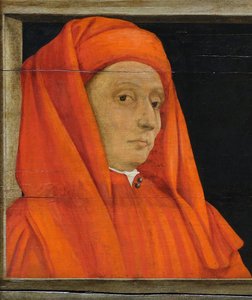
Giotto di Bondone
1267 - 1337 , Taliansko
Rýchle fakty
- Artistic Movement Or Style: Proto-renesancia
- Artists Or Movements Influenced By This Artist:
- Masaccio
- Renesančné umenie
- Artists Who Influenced This Artist: ['Cimabue']
- Date Of Birth: cca 1267
- Date Of Death: 1337
- Full Name: Giotto di Bondone
- Nationality: Talian
- Notable Artworks:
- Scrovegniho kaplnka
- Ognissanti Madonna
- Campanile
- Place Of Birth (City And Country): Florencia, Taliansko
Súvisiace články

Fresco Art Guide: Mastering the Timeless Technique of Wall Painting for Luxury Interior Design
Master the art of fresco for luxury hospitality design. Explore technical insights into historical wall painting and discover how professional-grade, large-scale reproductions can elevate hotel interiors with timeless Renaissance elegance.


