


 Náhľad v interiéri
 Odoslať ako digitálnu kartu
 Zdieľať
 Podrobnosti o dielo
 Príručka

 Stiahnuť obraz
 Podobné položky
 RTG skúška
 Prehliadanie diapozoje
 Otázky a odpovede
 Štatistiky
untitled (5500)

 Zobraziť viac
Giclée / Umenotlač
Giclée tlač alebo plátno múzeálnej kvality s rýchlou výrobou a rôznymi možnosťami povrchovej úpravy. ( Kúpiť ručne maľovaný obraz Prepnúť na digitálny obraz)




P118B €10

P118H €10

P118W €10

P438Z €10

P508JH €12

P508YH €12

P805H €10

P805Z €10

P919BZ €10

P919G €10

P919XJ €10

P959ZH €10

P968JZ €12

W106C €8

W218G €10

W218JH €8

W218Y €10

W307PJ €10

W316G €10

W316PJ €8

W316Y €10

W398PJ €8

W4111J €10

W500HY €15

W500JH €15

W692G €12

W849H €8

W940BG €15

W953PJ €8




Vyberte si z našich preddefinovaných rozmerov, ktoré zodpovedajú pôvodným pomeroḿ diela.

Zadajte šírku a výšku, ktoré potrebujete, aby sa reprodukcia hodila k vášmu rámu alebo stene. Print možno len orezávať, nikdy však nemennú veľkosť zvětšiť oproti pôvodnému obrázku, preto pri inom formáte stráca časť obrazu. Pred samotným vytlačiacím procesom vám pošleme digitálny náhľad na schválenie. Obrázok zobrazený na tejto stránke nezobrazuje reálny rez — len digitálny náhľad ukazuje presný výsledok.
Celosvetová doprava () do 2 týždňov namiesto štandardných 4 až 5 týždňov. (6 november)

Bezplatná expresná doprava po celom svete

Vysokokvalitné lnianske plátno

Kompletné poistenie prepravy

Záruka vrátenia colného poplatku

Záruka presného farebného zhodnutia

100-dená politika vrátenia tovaru (iba pri vadách)

100% záruka vrátenia peňazí

Zľava pri väčšom množstve
 Možnosť skla je dostupná len pri rozmeroch pod 110 cm

untitled (5500)
Giclée / Umenotlač
Veľkosť reprodukcie
-


Celková cena
€ 58
A Window into Tudor Intrigue: Hans Holbein’s “Untitled (5500)”
Hans Holbein the Younger's "Untitled (5500)" is not merely a group portrait; it’s a meticulously crafted tableau of power, faith, and subtle symbolism—a frozen moment within the opulent world of 16th-century England. This remarkable painting, depicting Jesus surrounded by his disciples at a shared meal, transcends simple representation to offer a profound glimpse into the political and religious currents of its time. The sheer scale of the composition – an unknown size but undoubtedly commanding – immediately draws the viewer in, inviting them to become part of this intimate scene. Holbein’s mastery is evident not just in his astonishingly realistic depiction of each figure, but also in the way he uses light and shadow to create a palpable sense of depth and atmosphere, reminiscent of the masterful works of Jan van Eyck.
The painting unfolds around a richly appointed dining table, laden with bowls, knives, and various instruments of learning – a deliberate arrangement that speaks volumes about the intellectual climate of the Tudor court. Three bowls are strategically placed, hinting at shared sustenance and fellowship, while the knife suggests both practicality and perhaps, a subtle undercurrent of tension. The figures themselves are rendered with an almost unsettling level of detail; each face is etched with individual character, reflecting not just likeness but also personality and status. The seated disciples, ranging from the youthful to the seasoned, embody a diverse group united by their devotion to Jesus. Notably, Jesus himself is positioned at the head of the table, asserting his central role within this community.
Renaissance Realism and Psychological Depth
Holbein’s artistic genius lies in his ability to capture not just outward appearances but also the inner lives of his subjects. This painting exemplifies his signature style – a blend of meticulous observation and psychological insight. He was renowned for his portraits, particularly those commissioned by Henry VIII and Anne Boleyn, and this work demonstrates his skill at conveying character through subtle gestures, expressions, and clothing choices. The use of oil paints allowed him to achieve an unprecedented level of detail and luminosity, capturing the textures of fabrics, the sheen of metal, and the nuances of skin tones with remarkable accuracy.
The technical brilliance is further enhanced by Holbein’s innovative approach to perspective and composition. He masterfully employs atmospheric perspective – creating a sense of distance through variations in color and detail – to draw the viewer's eye into the scene. The arrangement of figures around the table, with Jesus at its center, establishes a clear hierarchy while simultaneously fostering a feeling of intimacy and shared experience. It’s a carefully orchestrated visual narrative that invites contemplation.
Symbolism and Historical Context
Beyond its aesthetic qualities, “Untitled (5500)” is rich in symbolic meaning. The inclusion of scientific instruments – globes, sundials, and quadrants – reflects the burgeoning interest in astronomy and navigation during the Renaissance, a period marked by both exploration and intellectual curiosity. The reference to Rome through the Cosmati pavement pattern, likely incorporated as a gift for Anne Boleyn, subtly alludes to the political tensions between England and the Papal States. The lute with its broken string is a potent symbol of discord, perhaps representing the religious divisions that were fracturing Europe at the time.
The presence of Martin Luther’s hymnbook, open on facing pages referencing Law and Grace, adds another layer of complexity to the painting's interpretation. It suggests a dialogue between faith and reason, tradition and reform – themes that were central to the Protestant Reformation. Even the seemingly simple act of sharing a meal becomes imbued with significance, representing not just sustenance but also fellowship, community, and spiritual nourishment.
A Timeless Masterpiece: Reproduction Possibilities
AllPaintingsStore offers meticulously crafted hand-painted reproductions of Hans Holbein’s “Untitled (5500),” allowing you to bring this extraordinary artwork into your home or office. Our skilled artisans replicate Holbein's intricate details, vibrant colors, and atmospheric depth with unparalleled precision. Whether you are an art collector, a design enthusiast, or simply someone who appreciates the beauty of Renaissance art, our reproduction provides a stunning and authentic representation of this iconic masterpiece. Explore the available sizes and canvas options to find the perfect way to experience the power and allure of “Untitled (5500).”
Otázky a odpovede
Je „untitled (5500)“ od Hans Holbein Mladší svetlé alebo tmavé dielo?
Vnímaná jasnosť diela „untitled (5500)“ od Hans Holbein Mladší je balanced. Je možné ju prispôsobiť osvetleniu určeného priestoru.
K ktorému umelcovi sa pripisuje dielo "untitled (5500)"?
Dielo „untitled (5500)“ vytvoril/a Hans Holbein Mladší. Informácie na tejto stránke opisujú originálne dielo umelca/ky Hans Holbein Mladší.
Kde kúpiť ručne maľované kópie diela „untitled (5500)“ od Hans Holbein Mladší?
Ručne maľovanú reprodukciu diela „untitled (5500)“ od Hans Holbein Mladší si môžete objednať priamo na jeho stránke Ručne maľovaná reprodukcia: ručne maľovaná olejná reprodukcia na ľanovom plátne, vyrábanú na mieru.
Podobné diela


Biografia umelca
Život vytesaný do detailu: Svet Hansa Holbeina mladšieho
Narodený okolo roku 1497 v pulzujúcom umeleckom centre Augsburg v Nemecku, Hans Holbein mladší sa stal kľúčovou postavou severnej renesancie – majstrom portrétneho malbasu, ktorého dielo stále rezonuje dychberúcim realizmom a psychologickou hĺbkou. Jeho výchova v umelecky nadanom rodinnom prostredí položila základy jeho výnimočného talentu; jeho otec, Hans Holbein starší, bol uznávaným maliarom a ryteľom, ktorý do mladého Hansa vžil dôsledný prístup k pozorovaniu a technike. Toto skoré vzdelávanie nešlo len o ovládnutie ťahov štetcom alebo miešanie pigmentov – išlo o učenie sa skutočne *vidiť*, zachytávať nielen podobnosť, ale samotnú podstatu subjektu. Holbeinove prvé umelecké skúsenosti sa odohrali v otcovom ateliéri, kde si precvičil svoje schopnosti predtým, než sa vydal na cestu, ktorá ho popoludní priviedla cez Švajčiarsko až do samotného srdca anglického dvora.Od Basilu k Tudorovskému dvoru: Vschodujúca hviezda
Po dokončení učňovstva Holbein rozsiahle cestoval po Švajčiarsku a budoval si reputáciu nezávislého umelca s čoraz väčším uznaním. Niekoľko formujúcich rokov strávil v Basile, kde vytváral nielen pôsobivé portréty, ale aj náboženské diela a zložité drevorezby – najmä známu, mrazivú sériu zobrazujúcu *Smrť tančiacu*. Tieto rané kusy odhaľujú rastúce majstvo v kompozícii a čoraz väčšiu fascináciu zachytávaním komplexnosti ľudských emócií. V roku 1526 však zasiel osud, ktorý Holbeina vtiahol do Anglie, čo neobnoviteľne zmenilo jeho umeleckú trajektóriu. Dorazil s listom odporúčania od Erasma, slávneho humanitného učenca, čo mu otvorilo dvere do vplyvných kruhov anglickej spoločnosti. Jeho talent rýchlo očaril významné osobnosti ako Sir Thomas More, ktorý sa stal nielen jeho patronom, ale aj modelom pre niekoľko fascinujúcich portrétov. Toto spojenie sa ukázalo ako kľúčové a v roku 1536 viedlo k Holbeinovmu vymenovaniu na dvorského maliara kráľa Henryho VIII – pozíciu, ktorú zastával, s občasnými prerušeniami, až do svojej predčasnej smrti v roku 1543.Umenie vnímania: Štýl a majstrovské diela
Holbeinov umelecký štýl je charakterizovaný mimoriadne silným záväzkom k realizmu, dosiahnutému prostredníctvom nesmiernej pozornosti k detailu pri vykresľovaní textúr, tkanín a jemných nuans tvárnych rysov. On portréty ne *mal*; on ich dôsledne konštruoval, vrstvu po vrstve, pričom zachytával nielen fyzický vzhľad, ale aj osobnosť a vnútorný život svojich modelov. Jeho inovatívne kompozície ešte viac umocňovali dopad jeho práce, často využívajúc symbolické predmety alebo pozadia na vyjadrenie hlbšieho významu. Obraz Elizábtania (Ambasádori) (1533) stojí ako dôkaz tohto prístupu – je to komplexný a symbolicky bohatý dvojitý portrét, ktorý demonštruje nielen Holbeinov technický brilantizmus, ale aj intelektuálnu hĺbku. Anamorfická lebka nenápadne vkor veľanovaná do obrazu slúži ako prísne *memento mori*, pripomínajúce divákom nevyhnutnosť smrti. Jeho početné portréty Henryho VIII vytvorili trvajúci obraz tudorského panovania, zatiaľ čo jeho zobrazenie Erazma z Rotterdamu zachytáva hlboký intelektuálny vážnosť učenca. Medzi ďalšie významné diela patrí úchvatný *Portrét Nikolausa Kratzera* (1528), majstrovské dielo realismu a vedeckého detailu.Odkaz a vplyv: Trvalá stopa
Holbeinova umelecká cesta bola formovaná súrazom vplyvov, spájajúc precíznosť nemeckých umeleckých tradícií s kompozícnymi princípmi talianskeho renesančného umenia. Obdivoval diela Albrechta Dürera a iných nemeckých majstrov, no počas svojich ciest študoval aj taliansku umeleckú tvorbu, čím vstrebával ich techniky a začleňoval ich do svojho vlastného jedinečnúho štýlu. Jeho odkaz je hlboký; Holbeinove portréty nastavili nový štandard pre realizmus a psychologický vhľad do portrétnej tvorby, čo ovplyvnilo generácie nasledujúcich umelcov. Jeho zobrazenia kľúčových postáv z obdobia Tudorov poskytujú neoceniteľný pohľad na životy a osobnosti ľudí, ktorí formovali anglickú históriu. On nezaznamenával len vzhľad – on zachytával okamihy v čase a uchovával ich pre budúce generácie. Jeho práca slúži ako mocné svedectvo o trvajúcej sile umenia dokumentovať, interpretovať a osvetliť minulosť.Posledný ťah štetcom: Historický význam
Hans Holbein mladší zomrel v Londýne v roku 1543 a zanechal po sebe tvorbu, ktorá očaráva divákov aj stovky rokov nato. Jeho portréty sú viac než len krásnymi obrazmi; sú to historické dokumenty, ktoré ponúkajú pohľady do politických intrigí, náboženských nepokoja a kultúrnych zmien éry Tudorov.- Jeho zobrazenia Henryho VIII sa stali ikonickými predstavami kráľovskej moci.
- Jeho portrétna tvorba ponúka okno do životov významných humanistov, ako boli Erasmus a More.
- Jeho inovatívne využitie symbolizmu pridáva vrstvy významu k jeho dielom a pozýva divákov k zamysleniu nad hlbšími témami.
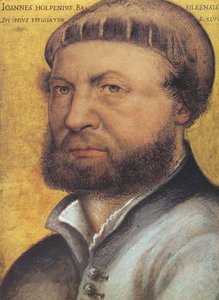
Hans Holbein Mladší
1497 - 1543 , Nemecko
Základné informácie
- Artistic Movement Or Style: Norddeutsche Renaissance
- Artists Or Movements Influenced By This Artist: ['Spätere Porträtmaler']
- Artists Who Influenced This Artist: ['Albrecht Dürer']
- Date Of Birth: c. 1497
- Date Of Death: 1543
- Full Name: Hans Holbein der Jüngere
- Nationality: Deutsch-Schweizer
- Notable Artworks:
- Die Botschafter
- Porträt Heinrich VIII.
- Porträt Erasmus von Rotterdam
- Place Of Birth: Augsburg, Deutschland
Súvisiace články

Aesthetic Gastronomy: The Role of Curated Art Collections in Shaping Perceptions of Michelin-Starred Dining Experiences
Discover how curated art collections elevate Michelin-starred dining experiences. Expert insights on sensory branding, emotional intelligence & ROI for luxury restaurants and hotels. Transform your space with AllPaintingsStore.

Vizuálna gastronómia: Kurátorstvo umeleckých zážitkov v priestoroch reštaurácií – Prístup degustačného menu k dizajnu interiérov
Objavte umenie kurátorstva v reštauráciách! Spoznajte, ako dizajn interiéru ovplyvňuje gastronomický zážitok a vytvorte harmonické prostredie pre vašich hostí. Profesionálne tipy a inšpirácia pre hotelový dizajn.

The Palate and the Palette: Exploring the Psychological Impact of Visual Design on Dining Perception and Appetite
Explore the science of dining! Discover how visual design impacts appetite & perception. Expert insights for hotel designers & restaurateurs to elevate the customer experience.

Cultivating Ambiance: Selecting Art Reproductions for the Dining Room – A Historical & Aesthetic Guide
Elevate your dining room with expertly curated art reproductions! Explore historical context, aesthetic considerations & modern applications for a captivating space. Discover the perfect artwork to inspire conversation and enhance every meal.

Hans Holbein the Younger: A Renaissance Portraitist's Mastery of Realism & Psychological Insight
Explore the life & art of Hans Holbein the Younger, a Renaissance master renowned for his strikingly realistic portraits and psychological insight. Discover iconic works like 'The Ambassadors' and delve into his lasting legacy.


